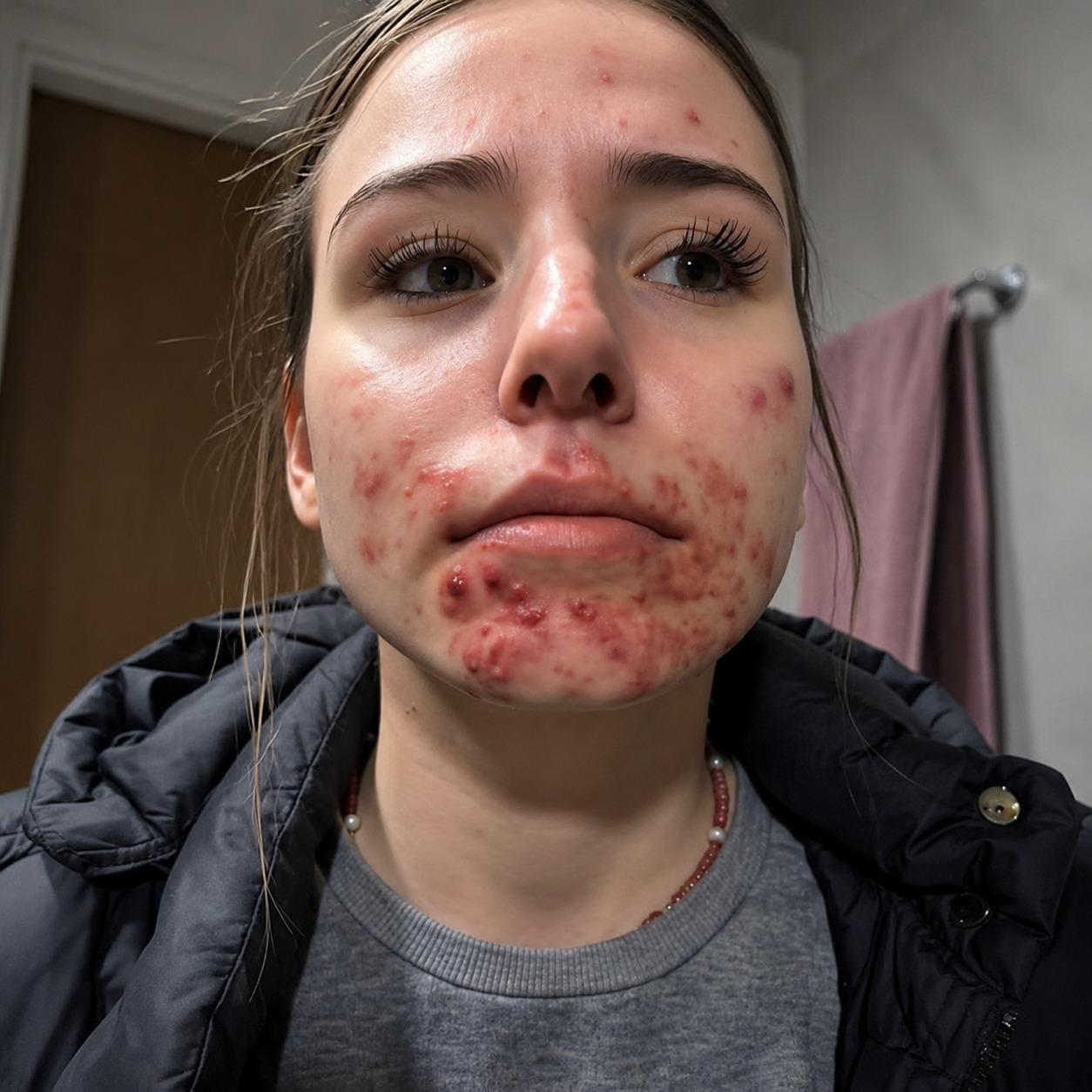
Persistent pimples along the chin and jawline are incredibly common in adults, especially after the age of forty. While many people assume acne is something they left behind in their teenage years, hormonal and lifestyle shifts later in life can trigger breakouts in this specific area. The chin is particularly sensitive because it sits in a zone heavily influenced by hormonal activity, stress responses, and daily habits that transfer oil and bacteria directly to the skin.
One of the most significant hidden causes is hormonal fluctuation. As we age, changes in estrogen, progesterone, and androgen levels can increase oil production in the skin. For women, this often becomes noticeable during perimenopause and menopause, when hormone levels rise and fall unpredictably. Conditions like polycystic ovary syndrome (PCOS) can also drive excess androgens, leading to stubborn chin acne that appears in cycles. Men experience their own hormonal shifts with age, and these can similarly stimulate oil glands in the lower face. If your breakouts tend to appear around the same time each month or worsen during periods of hormonal change, internal factors are likely playing a major role.
Stress is another powerful but often overlooked trigger. When we experience ongoing stress — whether from work, family responsibilities, health concerns, or even major life transitions — our bodies release more cortisol. This hormone signals the skin to produce extra oil, which can clog pores and create inflammation, particularly along the chin and jaw. Many people in their forties, fifties, and beyond assume their stress levels have stabilized, yet daily pressures and long-term worries continue to affect the skin in visible ways. The connection between mental state and skin health is stronger than most realize.
Diet also plays a surprising role in adult chin acne. Foods that cause rapid spikes in blood sugar — such as refined sugars, white bread, pastries, and sugary drinks — can increase inflammation throughout the body, including the skin. Dairy products are another common culprit because they can influence hormone levels and oil production. Many adults continue eating the same foods they’ve always enjoyed without realizing these choices may be contributing to persistent breakouts. Switching to a diet richer in whole foods, vegetables, lean proteins, and lower-glycemic options often leads to clearer skin over time, though results require consistency.
Skincare routines can either help or worsen the problem. Many people use products that are too harsh or drying in an attempt to control oil, which backfires by causing the skin to produce even more oil to compensate. Over-cleansing strips the skin’s natural barrier and leads to irritation that looks like acne but is actually something else entirely. On the other hand, failing to remove makeup thoroughly or using heavy, comedogenic products can clog pores along the chin. Finding the right balance of gentle cleansing and proper moisturizing is essential, especially as skin becomes drier with age.
Another common but rarely discussed factor is contact with everyday surfaces. We touch our faces far more often than we realize — resting our chin in our hands while thinking, pressing our face against phone screens, or sleeping on pillowcases that haven’t been changed in days. All of these transfer oil, dead skin cells, and bacteria directly to the chin area. For people who wear glasses or frequently rest their face on their hands while working, this repeated contact can become a constant source of new breakouts.
Hair products and facial hair can also contribute. Conditioners, styling creams, and oils from shampoos can drip or transfer onto the skin along the hairline and chin area. In men, beard hair can trap oil, dead skin, and bacteria close to the skin surface, creating ideal conditions for pimples to form underneath. Regular washing of the face and beard area, along with choosing non-comedogenic hair products, makes a noticeable difference for many people.
Sometimes chin acne signals an underlying health issue that needs professional attention. Persistent breakouts that don’t respond to lifestyle changes may be linked to hormonal disorders, thyroid imbalances, or other internal conditions. If you’ve tried multiple approaches without improvement, or if the acne is sudden and severe, it’s worth speaking with a dermatologist or endocrinologist who can investigate further.
Treating chin acne effectively usually requires a combination of approaches rather than relying on one solution. A gentle, consistent skincare routine is the foundation. This means using a mild cleanser twice daily, applying a non-comedogenic moisturizer, and incorporating targeted treatments like salicylic acid or adapalene to help unclog pores. Avoiding the urge to pick or squeeze pimples is crucial, as this often leads to scarring and can spread bacteria.
Lifestyle adjustments also make a meaningful difference. Managing stress through regular movement, time outdoors, meditation, or other calming practices can help regulate cortisol levels. Paying attention to diet — particularly reducing dairy and high-sugar foods — often leads to gradual improvement. Changing pillowcases frequently and cleaning phone screens daily reduces the transfer of oils and bacteria to the skin.
For many adults, professional help becomes necessary when over-the-counter options aren’t enough. Dermatologists can prescribe stronger topical treatments, oral medications, or in-office procedures that address hormonal acne more directly. In some cases, hormone therapy or other medical interventions may be appropriate, especially during perimenopause or menopause.
It’s also important to be patient. Adult acne, particularly along the chin, often takes longer to improve than teenage acne because the underlying hormonal and lifestyle factors tend to be more complex. Consistent effort over several months usually produces better results than expecting overnight changes. Tracking your breakouts in relation to your menstrual cycle, stress levels, diet, and skincare habits can help identify your personal triggers.
Many people feel frustrated or even embarrassed by adult acne, especially when it appears in visible areas like the chin. It can affect self-confidence and make people feel like they’re doing something wrong. The reality is that chin pimples in adulthood are incredibly common and usually have identifiable causes rather than reflecting poor hygiene or carelessness. Understanding the “why” behind your breakouts removes some of the mystery and frustration.
Creating a sustainable routine that addresses the most likely causes for your skin often brings the best long-term results. This might mean simplifying your skincare, adjusting your diet, managing stress more intentionally, and being mindful of what touches your face throughout the day. Small, consistent changes tend to be more effective than dramatic overhauls that are difficult to maintain.
If your chin acne continues despite your best efforts, don’t hesitate to seek professional guidance. A dermatologist can help rule out other conditions and create a personalized treatment plan. In some cases, what appears to be regular acne may actually be another skin condition that requires different care.
Persistent chin pimples don’t have to be something you simply accept as part of getting older. By understanding the hidden reasons behind them — from hormones and stress to diet, skincare habits, and daily contact — you can take targeted steps toward clearer skin. The process often requires patience and a willingness to experiment with what works for your body, but many people find significant improvement once they address the root causes rather than just treating the surface symptoms. Your skin can change at any age when you give it the right support.
Most Popular!
-
 Eggs, Cholesterol, and Timing: What Actually Matters for Most People
-
When a Partner Leaves With More Than a Suitcase: Protecting Yourself From Financial Betrayal
-
When Financial Support Meets Contempt: Recognizing Exploitation Inside a Marriage
-
Why Some Sensory Toys and Household “Hacks” Do Not Belong in the Microwave
-
When Grief Clouds Judgment: Misreading Silence and the Quiet Ways People Show Care
-
When One Partner Does All the Hosting: Recognizing Imbalance Before Resentment Takes Over
-
How Many Holes Are in a T-Shirt? What a Simple Puzzle Reveals About How We See
-
The Quiet Stories Inside Secondhand Objects: When a Thrift-Store Find Carries Someone Else’s History