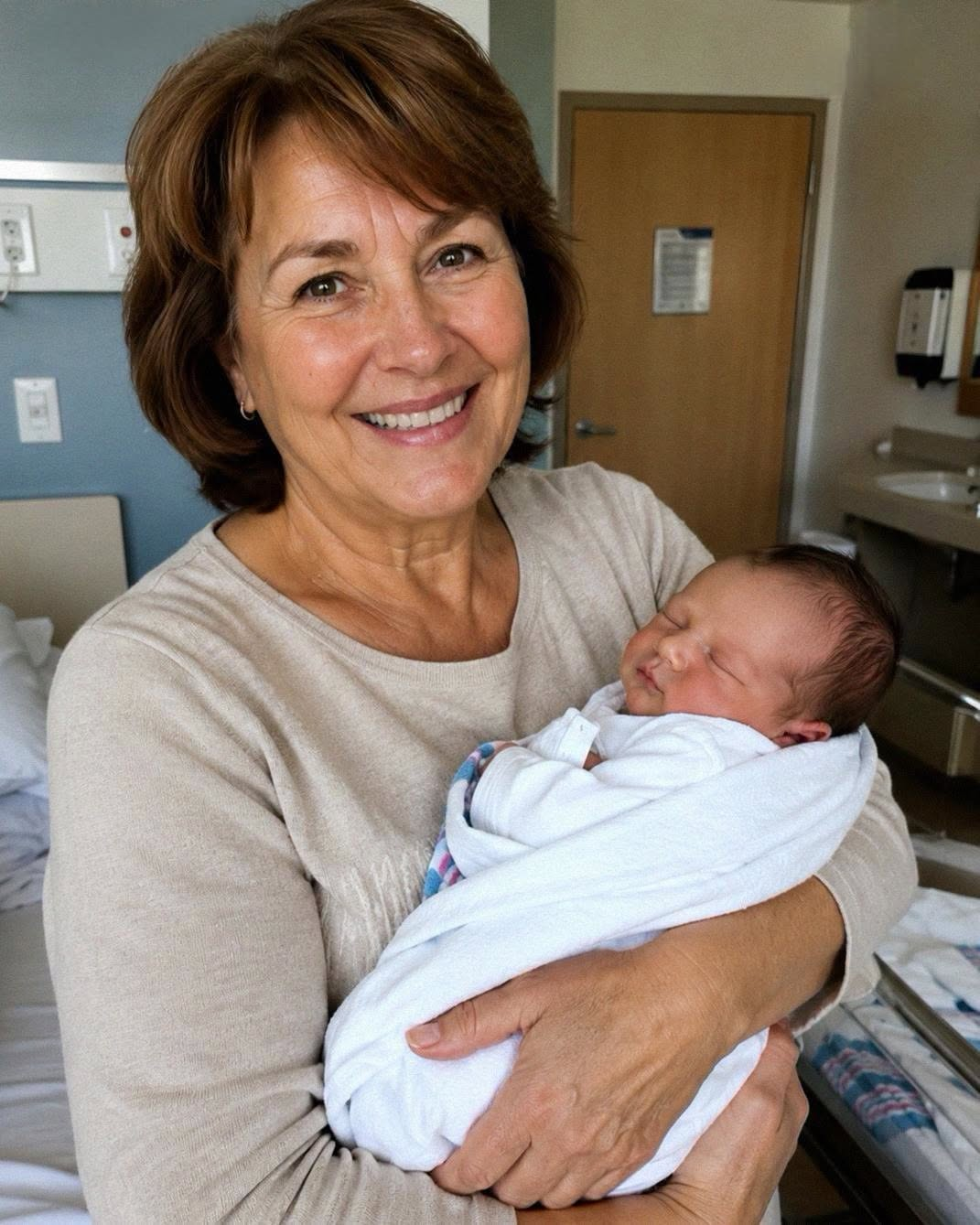
The arrival of a new baby is supposed to be one of life’s purest moments of joy. Grandparents drive across state lines, siblings gather, and families prepare for the first glimpse of a child who will reshape their world. Yet the maternity ward is also a place where exhaustion, emotion, and complex medical realities collide. In that charged atmosphere, even small misunderstandings can create lasting emotional fallout. Stories of switched babies, delayed revelations about surrogacy, or sudden discoveries in hospital hallways capture public attention because they touch on something primal: the fear of not knowing whether the child in your arms is truly yours.
Modern hospitals have built elaborate systems precisely to prevent the kind of mix-ups that once occurred more easily. Matching identification bands, electronic tracking, barcode scanning of both mother and infant, and strict dual-verification protocols before any baby leaves a room are now standard in most facilities. Nurses are trained to treat every transfer as a high-risk moment. These measures exist because historical cases of accidental switches, though rare, produced decades of pain for the families involved. When errors did happen in earlier eras, they often went undetected for years until blood tests or physical differences raised questions that could no longer be ignored.
Surrogacy adds another layer of complexity. For couples who have experienced repeated pregnancy loss, using a gestational carrier can feel like the only path to parenthood. The decision is rarely simple. It involves legal contracts, medical screening, emotional preparation, and often a profound sense of vulnerability. Some intended parents choose to keep the arrangement private, especially in the early stages, because they have already endured public or family scrutiny after previous losses. That privacy can feel protective in the moment. Yet when relatives arrive at the hospital expecting a conventional birth story, the gap between assumption and reality can create shock, hurt, and a sense of betrayal that takes time to repair.
The emotional stakes are high for everyone involved. A grandmother who has driven hours to meet her grandchild is operating on pure anticipation. A new parent who has spent months navigating legal and medical hurdles may still be processing their own grief over what did not happen the traditional way. A surrogate who has carried the pregnancy may need space to say goodbye to the physical connection she has formed. When these different emotional timelines meet in a busy hospital corridor, clear and timely communication becomes essential. Secrets that were meant to shield loved ones from worry can instead leave them feeling excluded from one of the most important events in family life.
What often gets lost in dramatic retellings is the ordinary humanity underneath. Most parents using surrogacy are not trying to deceive. They are trying to protect themselves from further disappointment or judgment. Most hospital staff are not careless. They are managing multiple high-needs patients under time pressure. Most grandparents are not suspicious by nature. They simply want to belong to the moment. When those good intentions collide with incomplete information, the result can feel catastrophic even if the practical outcome is eventually corrected.
Rebuilding trust after such a revelation requires more than an apology. It requires time, repeated honesty, and a willingness to sit with the discomfort that secrecy created. Families who navigate these situations successfully often describe a shift from protecting one another from pain to including one another in the full truth, even when that truth is complicated. The baby, once the correct child is in the right arms, becomes the shared focus that allows healing to begin. Love for a child is not diminished by the path that brought them into the world. It is expanded by the honesty required to claim that path openly.
There are practical lessons here for anyone approaching a hospital birth, whether traditional or involving third-party reproduction. Ask about identification procedures. Confirm that matching bands will be used and verified. If surrogacy or adoption is part of the story, decide in advance who needs to know and when. Consider that the people who love you most may handle difficult information better than the isolation of being left in the dark. Hospitals can only control so much. The emotional architecture of the family remains the responsibility of the people inside it.
The enduring power of these stories lies in how quickly joy can turn into disorientation when information is incomplete. A whispered comment from a nurse, a folder left open, a baby who looks different from the one expected—these details stick in the imagination because they threaten the basic assumption that family bonds are self-evident. In reality, those bonds are built through care, consistency, and truth-telling over time. The hospital may be where the child enters the world, but the family is where that child is claimed, day after day, through ordinary acts of presence.
For anyone who has ever waited in a maternity ward hallway, the lesson is both simple and demanding. Celebrate the arrival. Verify the details. Speak the complicated truths sooner rather than later. The strongest family stories are not the ones free of difficulty. They are the ones in which difficulty is met with enough honesty to let love continue growing on solid ground.
Most Popular!
-
 Love, Loyalty, and the Quiet Strength of Choosing Family When It Matters Most
-
Airplane Seat Conflicts, Missing Belongings, and the Quiet Power of a Child’s Observation
-
When Loyalty Meets Inheritance: The Complicated Bonds Between Caregivers and the Families They Serve
-
The Emotional Weight of Intimacy That Doesn’t Match: Why Some Connections Leave Lasting Marks
-
The Letter M on Your Palm: What Palmistry Claims and What Science Actually Knows
-
When a Child Leaves and Years Later Returns With the Truth: Navigating Estrangement, Manipulation, and the Long Road Back
-
What Your Sleeping Position Actually Says About Your Body—and How to Make It Work for You
-
Why Your Instant Choice in a Personality Quiz Feels So Personal—and What It Actually Reveals