Families are complicated systems of loyalty, obligation, and imperfect love. When one member has a disability, those dynamics often intensify. Decisions about care, independence, and long-term support can reveal the best and the most difficult parts of the people involved. Some relatives step forward with steady presence. Others distance themselves or look for ways to limit their responsibility. The difference between those responses shapes the quality of life not only for the person with the disability but for everyone connected to them.
People with Down syndrome, like anyone else, form deep attachments, experience joy, and build meaningful lives when given the chance. Many marry, raise children, hold jobs, and maintain rich social networks. These outcomes are more common today than in previous generations because attitudes and support systems have improved. Still, outdated assumptions linger. Some families continue to view a relative with an intellectual disability primarily through the lens of burden or limitation. That perspective can lead to decisions that prioritize the comfort of the decision-makers over the autonomy and emotional needs of the person themselves.
Siblings often occupy a distinctive position in these families. A brother or sister who grows up protecting and advocating for their sibling with a disability may carry a lifelong sense of responsibility. That role can be a source of profound connection. It can also create complicated feelings when other family members fail to show the same commitment. The sibling who has always been the defender may find themselves navigating loyalty to parents while simultaneously recognizing that those parents have made choices that cause harm. Balancing those realities requires emotional maturity and, frequently, outside support.
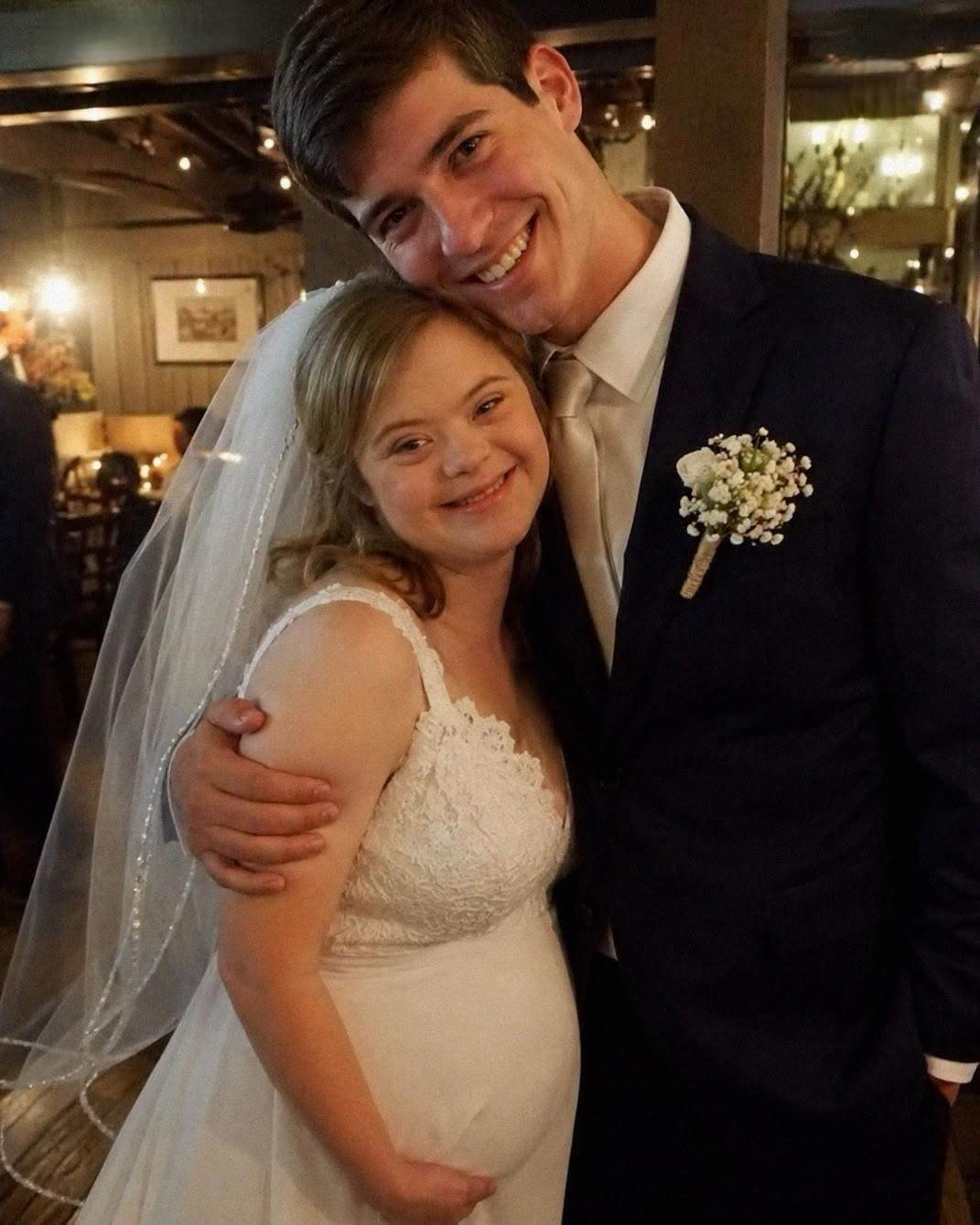
Genuine partnership offers one of the strongest counters to isolation. When someone chooses to build a life with a person who has Down syndrome, the relationship succeeds or struggles for the same reasons any relationship does: mutual respect, shared values, clear communication, and the willingness to adapt. Romanticizing the partner as a saint or questioning their motives solely because of the disability both miss the point. People fall in love with whole individuals—their humor, their loyalty, their particular way of moving through the world. Reducing that love to charity or transaction erases the humanity of both people involved.
Legal and financial arrangements around care introduce another layer of complexity. Guardianship, trusts, and long-term support planning are necessary tools for many families. When those tools are used transparently and with the person’s best interests at the center, they provide security. When they are used to control or to distance, they can become instruments of harm. Open conversations about intentions, written agreements that can withstand scrutiny, and the involvement of independent advocates help protect against misuse. Secrecy in these matters almost always creates larger problems later.
Medical crises have a way of stripping away pretense. A sudden hospitalization or a difficult childbirth forces everyone involved to confront what they value and how they show up under pressure. In those moments the people who have been consistently present become visible, as do the people who have remained at a comfortable distance. The emotional intensity can surface old resentments and long-buried truths. Families that have practiced honesty and mutual regard are better equipped to move through the crisis together. Families built on avoidance or conditional acceptance often fracture further.
What endures after the immediate danger passes is the quality of the relationships that remain. Some biological ties prove less durable than the bonds formed through daily choice and care. A partner who has stood steady, a sibling who has refused to look away, friends who treat the person as a full participant in life—these connections form the practical definition of family for many people. Celebrating those bonds does not require vilifying everyone who struggled to rise to the occasion. It does require acknowledging that presence matters more than proximity of blood.
Supporting a relative with a disability is not a single heroic act. It is a series of ordinary decisions made over years: showing up for appointments, defending dignity in public spaces, making room for the person’s preferences, and adjusting expectations as needs change. These decisions accumulate into a life that feels secure and valued. When that support is missing, the absence is felt deeply, even if it is rarely named aloud.
Stories that circulate about dramatic revelations and sudden justice capture attention because they offer emotional resolution. Real life is usually quieter and more incremental. Progress happens through consistent advocacy, better public understanding, and the daily choice to treat every family member as worthy of respect and belonging. The most meaningful marriages and the strongest sibling bonds are not those free of difficulty. They are the ones in which people keep choosing one another clearly, honestly, and without conditions based on ability.
In the end, the measure of a family is less about the contracts it signs or the secrets it keeps and more about who remains in the room when the situation becomes hard. The people who stay—whether connected by blood, by marriage, or by deliberate commitment—create the safety that allows everyone else to keep going. That kind of loyalty cannot be purchased or mandated. It can only be practiced, one ordinary day after another.
Most Popular!
-
 When an Absent Parent Returns: Boundaries, Time, and the Limits of Making Amends
-
When Secrets in the Home Become Dangerous: Recognizing Control, Betrayal, and the Path Back to Safety
-
The Quiet Crisis Next Door: Loneliness, Small Gestures, and What We Miss in Ordinary Neighborhoods
-
When a Community Refuses to Forget: Memorials, Missing Children, and the Complicated Search for Meaning
-
High School Cruelty, Body Shame, and the Quiet Work of Reclaiming Your Place
-
James Spader’s Quiet Rebellion: Why One of Hollywood’s Most Private Actors Still Fascinates Us
-
Shared Spaces, Small Cruelties, and the Quiet Power of Choosing Kindness on Vacation
-
When a False Accusation Echoes Across Decades: Trust, Silence, and the Long Path Back to Truth