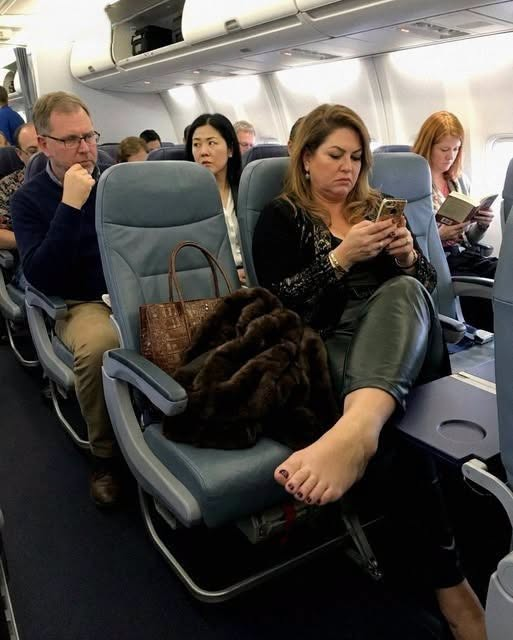
Air travel compresses strangers into a small space for hours at a time. Seats are assigned, personal space is limited, and stress levels often run high before the plane even leaves the gate. Most flights pass without incident. A minority produce the kinds of stories that travel quickly online: disputes over reclining seats, armrests, overhead bin space, or the simple refusal to move when boarding passes clearly indicate otherwise. When children are involved, the tension can feel sharper. Parents are already managing logistics, timing, and the emotional needs of their kids. An adult who treats those realities as someone else’s problem adds an extra layer of difficulty.
Seat assignments exist for reasons that go beyond convenience. Airlines use them to balance weight, manage special assistance requests, and create predictable boarding. When a passenger decides the assigned seat does not suit them and simply occupies another, they force cabin crew into the role of enforcer and turn nearby travelers into unwilling spectators. Most people prefer to avoid confrontation. They may accept an inconvenient move rather than escalate. That reluctance is understandable, yet it can also reward the person willing to be the most inflexible.
Traveling with young children multiplies the variables. A parent boarding with a newborn and an older child is already performing a complex set of tasks: keeping documents accessible, managing carry-ons, soothing a baby, and helping the older child navigate the unfamiliar environment. Losing a seat next to that child is not a minor inconvenience. It separates a parent from the person best equipped to help if the baby becomes distressed or if the older child needs reassurance during turbulence or delays. Flight attendants try to accommodate families when possible, but a full flight leaves them with limited options. The result can leave a parent seated rows away, scanning the cabin for any sign of trouble.
Small personal items take on outsized importance in this environment. A wedding ring that has grown loose, a piece of jewelry set aside while washing hands, or a phone left in a seatback pocket can disappear in the compressed chaos of boarding and settling in. Most such losses are accidents. Occasionally they are not. The confined space and the presence of witnesses make outright theft riskier than in other public settings, yet it still occurs. Recovery often depends on someone noticing a detail that others miss.
Children can be surprisingly effective observers. Unburdened by the social calculations that lead adults to look away or stay silent, a child may simply state what they saw. Their straightforwardness can cut through the polite fog that sometimes allows inconsiderate behavior to continue. Of course, children should not be expected to manage adult conflicts. The responsibility for safety and resolution remains with the adults and the crew. Still, there are moments when a calm, factual observation from a young person shifts the dynamic in a useful way.
Airlines train cabin crew to handle these situations with a mix of firmness and de-escalation. Policies generally prioritize assigned seats, especially when families or passengers with specific needs are involved. When theft is alleged, crew members follow protocols that may include asking to examine personal belongings, involving the captain, or arranging for authorities to meet the aircraft. Passengers who become disruptive risk being moved, denied future boarding, or facing legal consequences on the ground. Most people never encounter these measures because most flights remain orderly. The exceptions receive attention precisely because they violate the unspoken agreement that everyone will tolerate minor discomfort for the sake of collective calm.
Parents who fly regularly often develop strategies that reduce friction. Choosing seats in advance, arriving with enough time to handle unexpected changes, packing essentials in easily accessible places, and teaching older children simple routines for the cabin all help. Discussing in advance how to handle a situation in which a seat is occupied or a belonging goes missing can give a child a sense of agency without placing the burden of resolution on them. Clear communication with crew members early in the process is usually more effective than waiting until frustration peaks.
The broader culture of air travel rewards those who remain flexible and penalizes, at least informally, those who treat the cabin as an extension of their personal living room. Most passengers understand this and act accordingly. They make space, offer small courtesies, and accept that a few hours of reduced comfort is the price of efficient long-distance movement. The rare passenger who refuses that bargain creates stories that spread because they violate a widely shared expectation of basic cooperation.
In the end, the most practical takeaway is preparation and calm assertion. Know your seat assignment. Keep valuables secure. Teach children to notice their surroundings without encouraging them to confront strangers. When problems arise, involve the crew rather than attempting to solve everything alone. Air travel will never be entirely free of friction. It can, however, remain manageable when the majority of people treat the shared space with a baseline of respect and the systems in place are allowed to function. The quiet competence of a well-prepared parent and the clear eyes of a child who simply describes what they saw are often enough to restore order without turning a routine flight into a lasting drama.
Most Popular!
-
 When an Absent Parent Returns: Boundaries, Time, and the Limits of Making Amends
-
When Secrets in the Home Become Dangerous: Recognizing Control, Betrayal, and the Path Back to Safety
-
The Quiet Crisis Next Door: Loneliness, Small Gestures, and What We Miss in Ordinary Neighborhoods
-
When a Community Refuses to Forget: Memorials, Missing Children, and the Complicated Search for Meaning
-
High School Cruelty, Body Shame, and the Quiet Work of Reclaiming Your Place
-
James Spader’s Quiet Rebellion: Why One of Hollywood’s Most Private Actors Still Fascinates Us
-
Shared Spaces, Small Cruelties, and the Quiet Power of Choosing Kindness on Vacation
-
When a False Accusation Echoes Across Decades: Trust, Silence, and the Long Path Back to Truth