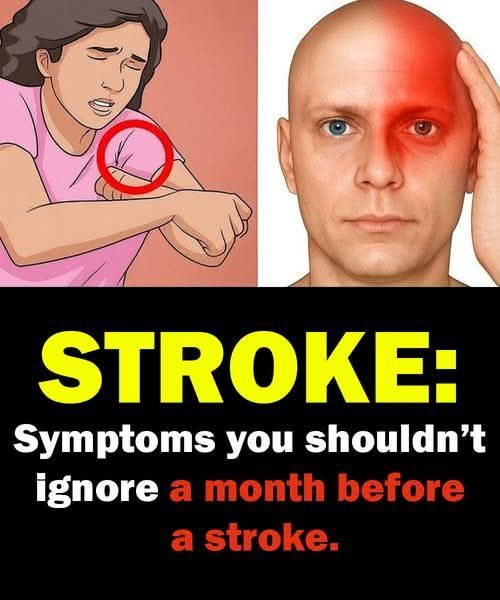
I’ll never forget the morning my neighbor Sarah called me in a panic. Her husband, Mike, had suddenly dropped his coffee mug, complained that his arm felt “funny,” and was slurring his words. At first, she thought he was just tired or had slept wrong. Within minutes, the right side of his face drooped. By the time the ambulance arrived, it was clear he was having a stroke. That single day changed their lives forever — but it also taught me something I now share with everyone I care about: your body sends warning signs long before a full stroke hits, and recognizing them could save everything.
Strokes don’t always come with dramatic Hollywood symptoms. Many times, the clues are subtle, easy to dismiss as stress, fatigue, or “just getting older.” But missing them can mean the difference between a full recovery and permanent disability — or worse. Every year, millions of people experience warning signs their bodies are desperately trying to communicate. Learning to listen could be the most important health skill you ever develop.
One of the most common early indicators is sudden weakness or numbness, especially on one side of the body. It might feel like your arm or leg “fell asleep,” but it doesn’t go away. Many people brush this off as poor circulation or sleeping in a bad position. If it happens without explanation, especially alongside other symptoms, it’s time to act immediately.
Sudden confusion or trouble speaking is another critical red flag. You might struggle to find the right words, slur your speech, or feel like your thoughts are moving through thick fog. Loved ones often notice this first — the person seems “off” or not making sense. This isn’t just normal aging or tiredness. It can signal that blood flow to the brain is being interrupted.
Vision problems that appear out of nowhere are frequently overlooked. Blurred vision in one eye, double vision, or sudden loss of sight in part of your field of vision can all be stroke warnings. People sometimes attribute this to eye strain or needing new glasses. But when it happens suddenly, especially with other symptoms, it’s your brain asking for help.
A severe headache with no known cause — particularly if it feels different from your usual headaches — should never be ignored. Some describe it as the “worst headache of my life.” When combined with dizziness, balance issues, or trouble walking, this becomes even more urgent. The brain is incredibly sensitive to changes in blood flow, and pain is often its loudest alarm.
Balance and coordination problems can also appear early. You might feel dizzy, unsteady on your feet, or suddenly clumsy in ways that don’t make sense. Many people dismiss this as inner ear issues or dehydration, but when it comes on suddenly, it can point to a disruption in the brain’s control center.
One of the trickiest things about stroke warning signs is how quickly they can come and go. Some people experience what’s called a transient ischemic attack (TIA) — a “mini-stroke” where symptoms appear and then disappear within minutes or hours. Far too many people breathe a sigh of relief when the symptoms pass and go back to their day. But a TIA is often a warning shot. It means you’re at high risk for a full stroke in the coming days or weeks. Ignoring it is one of the most dangerous things you can do.
Time is everything when it comes to strokes. The phrase doctors use is “time is brain” — every minute without treatment means more brain cells die. If you notice any of these signs, even if they seem mild or temporary, call emergency services immediately. Don’t drive yourself. Don’t wait to see if it gets better. Fast action with clot-busting medications or other interventions can dramatically improve outcomes.
Prevention is equally important. Many strokes are linked to high blood pressure, smoking, diabetes, high cholesterol, and an unhealthy lifestyle. Regular check-ups, managing chronic conditions, staying active, eating well, and avoiding smoking can significantly lower your risk. Even small changes — like walking daily, reducing salt intake, or managing stress — can make a real difference.
My neighbor Mike survived his stroke, but it took months of intensive therapy before he could walk and speak normally again. He still has weakness on one side and moments where words escape him. His family now knows the warning signs by heart, and they check in with each other more often. That scary morning became a wake-up call for everyone who loves him.
If you’re experiencing any unusual symptoms — even ones that seem minor — don’t brush them off. Your body is smart. It sends signals when something isn’t right. Learning to listen could save your life or the life of someone you love.
Take a moment today to learn the FAST test doctors recommend: Face drooping Arm weakness Speech difficulty Time to call emergency services
Keep it in mind. Share it with your family. Because the difference between a full recovery and lifelong disability often comes down to how quickly you recognize the signs and act on them.
Strokes can happen to anyone at any age, but knowledge truly is power. Stay aware, stay healthy, and never hesitate to seek help when your body is trying to tell you something important. The life you protect might be your own — or someone you love more than anything in the world.
Most Popular!
-
 Eggs, Cholesterol, and Timing: What Actually Matters for Most People
-
When a Partner Leaves With More Than a Suitcase: Protecting Yourself From Financial Betrayal
-
When Financial Support Meets Contempt: Recognizing Exploitation Inside a Marriage
-
Why Some Sensory Toys and Household “Hacks” Do Not Belong in the Microwave
-
When Grief Clouds Judgment: Misreading Silence and the Quiet Ways People Show Care
-
When One Partner Does All the Hosting: Recognizing Imbalance Before Resentment Takes Over
-
How Many Holes Are in a T-Shirt? What a Simple Puzzle Reveals About How We See
-
The Quiet Stories Inside Secondhand Objects: When a Thrift-Store Find Carries Someone Else’s History







