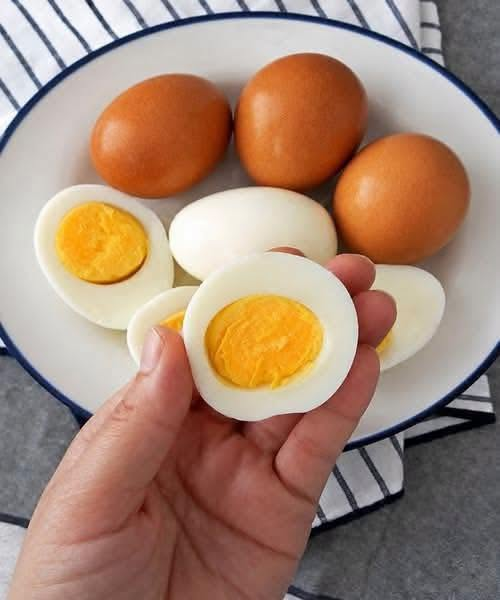
Eggs have spent decades moving in and out of nutritional favor. At various points they were treated as a near-perfect food, then as a cholesterol threat, then rehabilitated again. The shifts left many people uncertain whether a morning omelet was wise or reckless. Current evidence is clearer than the older headlines: for the majority of healthy adults, eggs are a nutrient-dense food that can fit comfortably into a balanced diet. The more useful questions are less about blanket bans and more about individual context, overall eating patterns, and realistic expectations.
An egg supplies high-quality protein containing all essential amino acids, along with choline, selenium, vitamin B12, vitamin D, and various fats. Choline supports cell membranes and neurotransmitter production; the protein contributes to satiety and muscle maintenance. These attributes explain why eggs remain a practical staple for many households. They are inexpensive, versatile, and relatively easy to prepare.
The cholesterol concern that once dominated advice has been substantially revised. Dietary cholesterol has a smaller effect on blood cholesterol for most people than was previously emphasized. Saturated fat, refined carbohydrates, excess calories, and overall dietary pattern exert stronger influence on cardiovascular risk markers. Health authorities in many countries no longer set strict numerical limits on dietary cholesterol for the general population. Individuals with specific conditions—such as familial hypercholesterolemia or established heart disease—should still follow personalized medical guidance, but population-level fear of eggs is no longer well supported.
Claims that the precise hour of egg consumption determines major life outcomes overstate the evidence. Protein distribution across the day can influence muscle protein synthesis and hunger management. Some people find that a protein-rich breakfast reduces later snacking; others prefer larger protein portions later in the day around training. These are modest, individual optimizations rather than universal rules. There is no robust body of research showing that eating eggs at one time of day is broadly harmful while another time is transformative. Digestion, personal schedule, cultural habits, and total daily intake matter more than a narrow “best hour.”
Practical considerations remain straightforward. People who tolerate eggs well can include them regularly without special timing rituals. Those who experience digestive discomfort may prefer them earlier in the day or in smaller amounts. Cooking method affects the overall meal quality more than the clock does: pairing eggs with vegetables and whole foods produces a different nutritional profile than pairing them with large amounts of processed meat and refined starch. Freshness and proper handling reduce food-safety risk, especially for vulnerable groups who should avoid runny yolks.
Athletes and older adults sometimes emphasize protein timing around activity or to counter age-related muscle loss. Eggs can serve that purpose because they are convenient and complete. Even in those contexts, total daily protein and resistance training carry more weight than whether the egg was eaten at 7 a.m. or 7 p.m.
The larger pattern in nutrition advice is the tendency to elevate single foods or narrow timing rules into decisive factors. Eggs are neither a silent threat nor a miracle cure. They are a compact source of nutrients that most people can eat without drama. Focusing on overall diet quality, calorie balance, sleep, movement, and medical markers produces more reliable results than policing the exact minute a shell is cracked. For the average person, the permission to stop fearing eggs—and the freedom to eat them when they fit the day—is the more accurate and useful takeaway.
Most Popular!
-
 When a Partner Leaves With More Than a Suitcase: Protecting Yourself From Financial Betrayal
-
When Financial Support Meets Contempt: Recognizing Exploitation Inside a Marriage
-
Why Some Sensory Toys and Household “Hacks” Do Not Belong in the Microwave
-
When Grief Clouds Judgment: Misreading Silence and the Quiet Ways People Show Care
-
When One Partner Does All the Hosting: Recognizing Imbalance Before Resentment Takes Over
-
How Many Holes Are in a T-Shirt? What a Simple Puzzle Reveals About How We See
-
The Quiet Stories Inside Secondhand Objects: When a Thrift-Store Find Carries Someone Else’s History
-
Bra Care Basics: Hygiene, Longevity, and Why Rotation Matters More Than You Think