A bra spends long hours against skin that produces sweat, oils, and dead cells. Over a day the fabric absorbs those residues along with traces of deodorant or fragrance. When the same bra is worn again the next morning without cleaning, the buildup continues. For most people this does not create a medical emergency, yet it can contribute to odor, fabric breakdown, and skin irritation in the under-bust or shoulder areas. Treating bras as high-contact garments rather than occasional accessories improves both comfort and the lifespan of the pieces themselves.
The elastic and technical fabrics used in modern bras recover better when they are given recovery time. Stretching the band and straps for eight or more hours leaves the fibers under tension. Wearing the identical bra on consecutive days keeps that tension constant and accelerates the loss of shape. A simple rotation of three or four bras allows each one to rest, dry fully, and regain some of its original elasticity. The practical result is better support for longer and fewer trips to replace stretched-out bands.
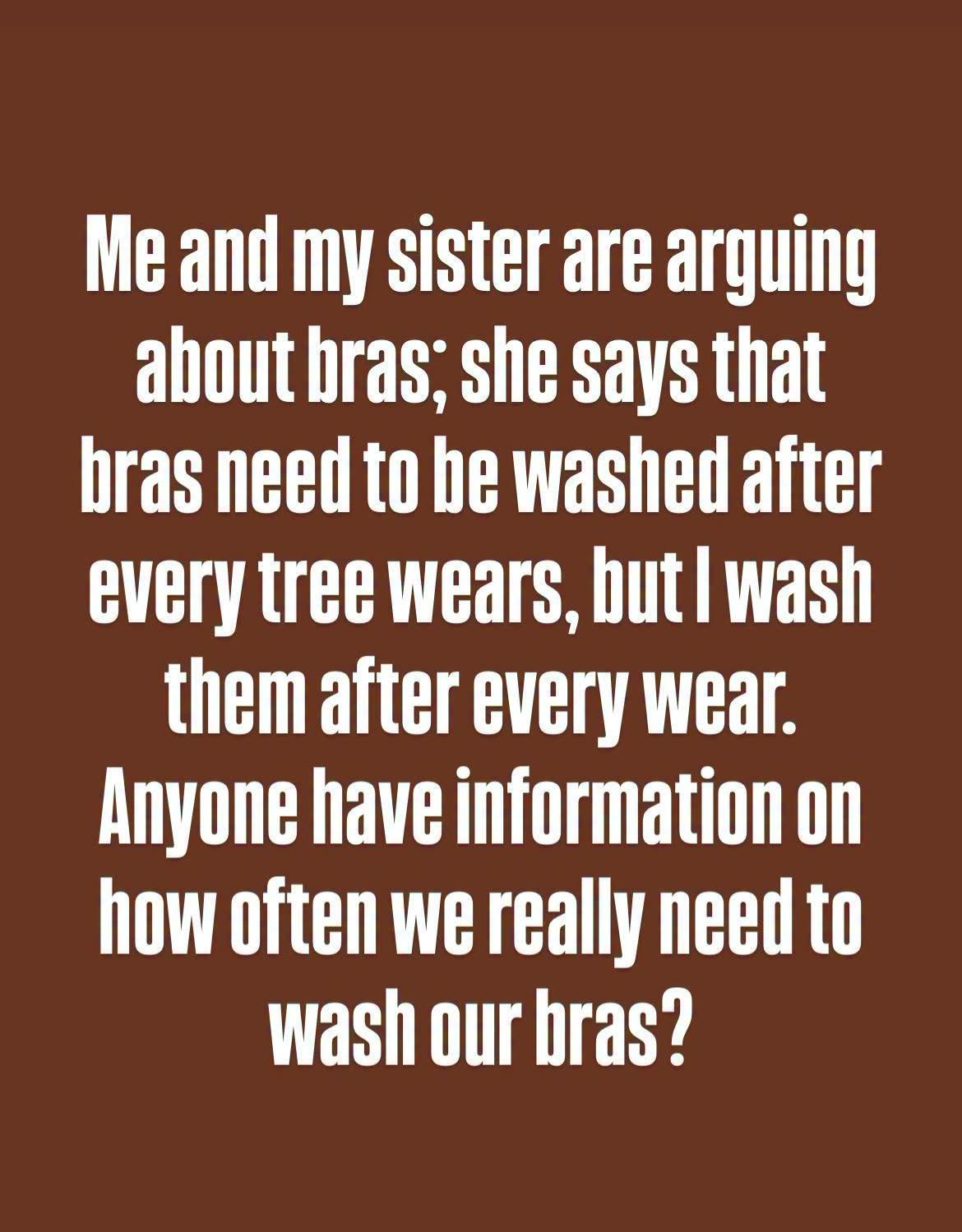
Washing frequency is a balance between cleanliness and garment preservation. Many fit specialists suggest cleaning after every two or three wears under normal conditions, and more often after heavy sweating or exercise. Daily washing is unnecessary for most people and can wear out delicate fabrics and hardware faster. The key is removing body oils before they degrade the spandex and nylon that provide stretch and recovery.
Hand washing remains the gentlest method. Cool water and a mild detergent, a short soak, careful rinsing, and drying flat or hung away from direct heat protect both the elastic and any underwires or lace. Machine washing is possible when time is limited: fasten the hooks, place the bra in a mesh laundry bag, and use the delicate cycle with cold water. High heat in the dryer is particularly hard on elastic and can distort underwires, so air drying is preferable whenever possible.
Fit changes over time for reasons that have nothing to do with brand quality. Weight fluctuations, hormonal shifts, pregnancy, nursing, and the natural effects of aging all alter breast volume and shape. A bra that once fit well can begin to dig, gap, or ride up. An ill-fitting band shifts the support load onto the straps, which then cut into the shoulders. Cups that are too small create spillage and pressure points; cups that are too large allow the breast to sit without proper lift. Checking fit once a year, either with a professional measurement or a careful at-home assessment, keeps the foundation garment doing its actual job.
Skin comfort is closely tied to both cleanliness and fit. Trapped moisture and residue can aggravate existing sensitivity or create friction points. A bra that is clean, dry, and correctly sized reduces those irritants. People who notice recurring redness, itching, or small bumps under the band often find improvement simply by increasing rotation and washing frequency while confirming that the current size is still accurate.
Storage also affects longevity. Tossing wet or damp bras into a closed drawer encourages odor and mildew. Allowing them to dry completely before putting them away, and avoiding tightly crumpling underwired styles, helps maintain shape. A small rotation system—enough bras so that each has a rest day—makes the habit sustainable without requiring a large wardrobe.
None of these practices demand perfection. A realistic routine that includes regular rotation, timely gentle washing, and periodic fit checks delivers most of the benefit. The goal is not sterile perfection but functional clothing that remains comfortable and supportive for as long as the materials allow. Bras are technical garments subjected to daily mechanical and biological stress. Giving them basic recovery time and cleaning extends their useful life and keeps the skin they contact in better condition. That combination of practicality and modest attention produces better daily comfort than either neglect or over-complicated care rituals.
Most Popular!
-
 How Many Holes Are in a T-Shirt? What a Simple Puzzle Reveals About How We See
-
The Quiet Stories Inside Secondhand Objects: When a Thrift-Store Find Carries Someone Else’s History
-
Green Onions and Food Safety: What the Risks Actually Are and How to Handle Them Sensibly
-
When Family Hospitality Becomes a One-Way Street: Setting Boundaries with In-Laws Without Destroying the Relationship
-
When Strength Becomes Silence: Hidden Grief and the Distance It Creates in a Marriage
-
The One-Ring Phone Scam: Why a Single Missed Call Can Be Expensive—and How to Protect Yourself
-
When Money and Loyalty Collapse Together: Navigating Financial Betrayal in a Marriage
-
The Mattress Tag Myth: Why “Do Not Remove Under Penalty of Law” Does Not Apply to You