A sudden announcement that a spouse has left the marriage is destabilizing under any circumstances. When the departure is paired with evidence of unauthorized spending or missing funds, the emotional shock is compounded by immediate practical danger. The person left behind must move quickly to limit further loss while still processing the personal betrayal. Clarity about accounts, ownership, and legal options becomes as important as any emotional response.
Many couples maintain a mix of joint and individual finances. Problems arise when one partner has broad access to the other’s accounts—through authorized-user credit cards, shared login credentials, or informal arrangements that were never formally reviewed. An authorized user can often make charges without being the primary account holder. If that access is not revoked promptly, spending can continue even after the relationship has ended. The first defensive steps are therefore mechanical: change passwords, remove authorized users, cancel or freeze cards, and notify the bank of possible unauthorized activity.
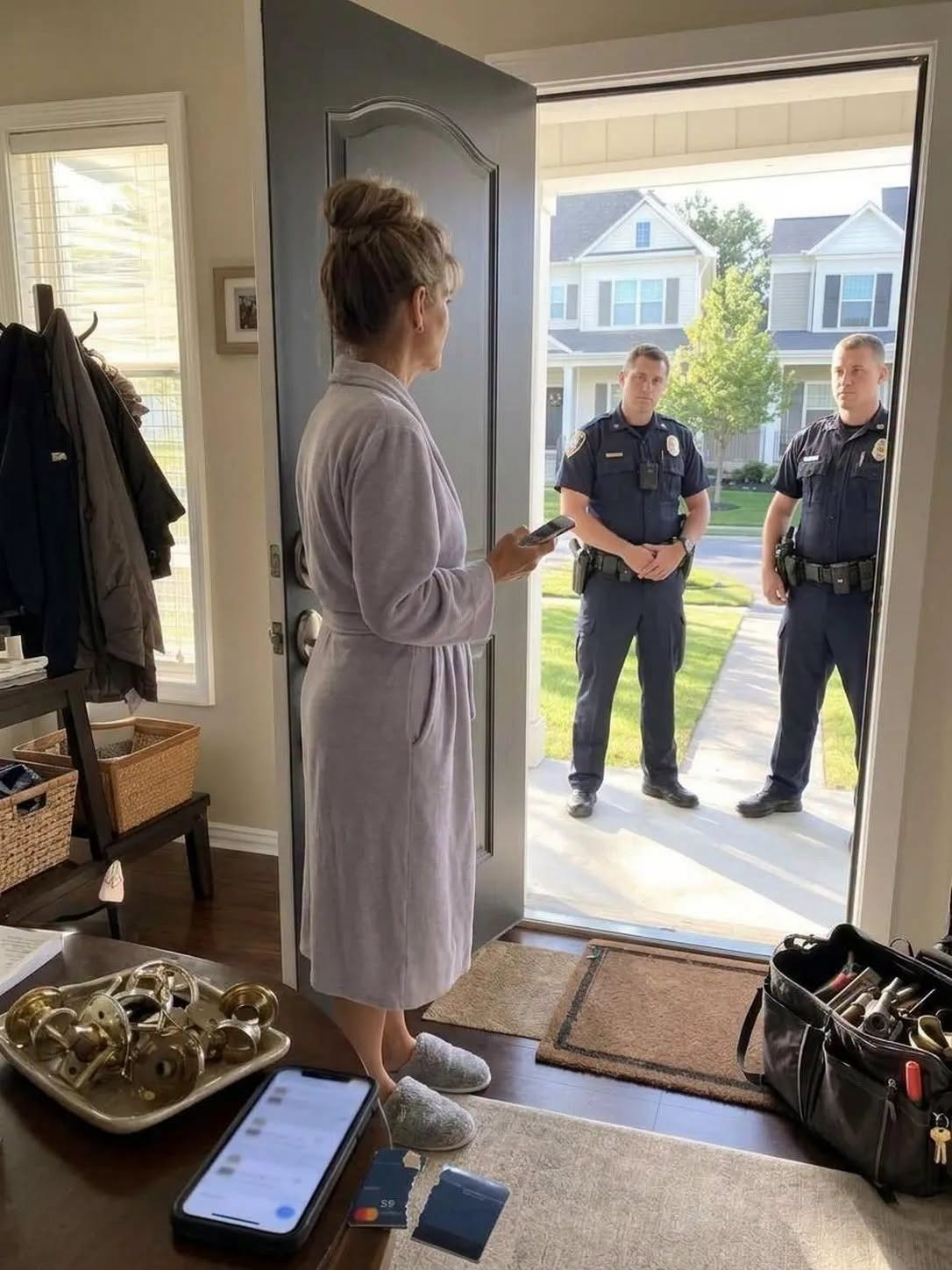
Property ownership matters more than many people realize until a crisis. A house titled solely in one spouse’s name is treated differently from jointly owned real estate. Mortgage liability, the right to change locks, and the ability to exclude a departing spouse all depend on the actual legal title and local law. Reviewing deeds, account statements, and beneficiary designations while emotions are still raw is difficult, yet delay can allow further dissipation of assets. An attorney experienced in family law and, when theft is suspected, in financial matters can clarify what can be secured immediately and what requires court orders.
Documentation turns a chaotic situation into a usable record. Screenshots of messages announcing the departure, lists of recent transactions, photographs of statements, and any evidence of forged authorizations or unexplained transfers should be preserved in multiple places. Banks and credit-card companies have fraud departments; reporting suspicious activity early improves the chance of reversing charges or limiting liability. Police reports may be appropriate when there is clear evidence of unauthorized access or theft, though the threshold for criminal action varies by jurisdiction.
Friendship betrayal layered on top of marital betrayal adds another dimension of loss. When the third party had been given financial access—an emergency card, knowledge of accounts, or simply detailed knowledge of the household’s money—the sense of calculated harm deepens. Revoking that access is part of the same protective sequence. Social and emotional recovery will take longer; the financial perimeter can be hardened within hours.
Prevention is less dramatic but more reliable than crisis response. Maintaining at least some accounts and property in one’s sole name, limiting the number of authorized users, reviewing statements regularly, and treating password sharing as a temporary convenience rather than a permanent arrangement all reduce vulnerability. Personal guarantees on a spouse’s business debts or loans should be approached with independent advice; they can convert a marital separation into long-term personal liability. Periodic “what if” conversations with a trusted advisor—what happens to each account if the relationship ends—surface weaknesses while there is still time to correct them.
The period immediately after discovery is often marked by attempts from the departing partner to regain access, rewrite the narrative, or pressure the remaining spouse into restoring funds. Consistency matters. Once cards are canceled and passwords changed, they should not be restored under emotional appeal. Communication can be routed through attorneys. The goal is not revenge; it is the preservation of enough resources to navigate the legal, housing, and parenting consequences that follow.
Financial betrayal does not erase every positive memory of a relationship, but it does redefine the terms under which any future contact occurs. Trust, once broken by secret transfers and hidden spending, is rarely restored by apologies alone. Practical self-protection—securing accounts, clarifying title, documenting everything, and obtaining competent legal help—creates the stability required for longer-term decisions about divorce, co-parenting, and personal recovery. In the end, the most useful response to a partner who leaves with the contents of the joint life is to ensure they cannot continue withdrawing from what remains. That step is neither dramatic nor cruel. It is the minimum required to stop an ongoing harm and begin rebuilding on ground that is actually solid.
Most Popular!
-
 Eggs, Cholesterol, and Timing: What Actually Matters for Most People
-
When Financial Support Meets Contempt: Recognizing Exploitation Inside a Marriage
-
Why Some Sensory Toys and Household “Hacks” Do Not Belong in the Microwave
-
When Grief Clouds Judgment: Misreading Silence and the Quiet Ways People Show Care
-
When One Partner Does All the Hosting: Recognizing Imbalance Before Resentment Takes Over
-
How Many Holes Are in a T-Shirt? What a Simple Puzzle Reveals About How We See
-
The Quiet Stories Inside Secondhand Objects: When a Thrift-Store Find Carries Someone Else’s History
-
Bra Care Basics: Hygiene, Longevity, and Why Rotation Matters More Than You Think