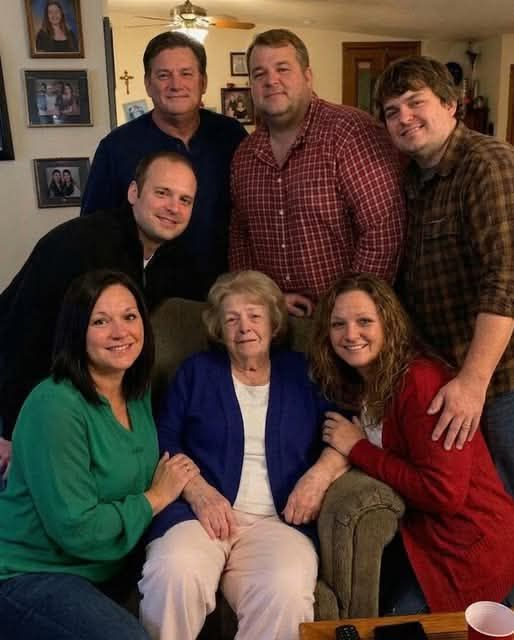
I lay in my hospital bed with my eyes closed, pretending to sleep while the heart monitor beeped softly beside me. My three adult children stood around me, thinking I was too weak to hear their conversation. What they didn’t know was that I was wide awake, listening to every word as they tore each other apart over money I wasn’t even dead yet. After raising them, sacrificing for them, and loving them through every storm, this was how they chose to honor me — fighting like vultures over a corpse that was still breathing.
For weeks I had been in and out of the hospital with complications from heart failure. The doctors were honest with me: my time was limited. I had updated my will months earlier, but I never told them the details. I wanted to believe my children were better than this. That night, I got the painful truth.
My oldest son, David, started it. “The house should go to me,” he whispered. “I’m the one who stayed in town and helped with everything.” My daughter Sarah immediately snapped back, “You mean the one who borrowed thousands and never paid it back? I’m the one who gave her grandkids. I deserve the lake house at least.” Their younger brother, Michael, just laughed bitterly. “You both act like you’re entitled. I’m the one who actually worked hard. Dad owes me for all the years I put up with his lectures.”
I kept my eyes closed as their voices grew louder and uglier. They argued over jewelry, cars, bank accounts, and even sentimental items like my late wife’s wedding ring. Not one of them mentioned missing me. Not one of them spoke about love or memories. Just greed. Pure, ugly greed.
The next morning, I asked the nurse to call my lawyer. I had him rewrite the will right there in my hospital room while I was still strong enough to sign it. I left the house and the majority of my savings to a local children’s charity in honor of my late wife, who had always wanted to help kids who grew up without parents. Each of my children received one dollar and a handwritten letter.
When I passed away three weeks later, the reading of the will was exactly as dramatic as I expected. My children sat in stunned silence as the lawyer read the new terms. Then they exploded — first in shock, then in anger, and finally in tears when they read the letters I had written to each of them.
In my letter to David I wrote: “You taught me that blood doesn’t make family. Actions do. I hope this money helps children who actually need it.” To Sarah: “You showed me that love should never come with conditions. I loved you without conditions. I hope you learn to do the same.” And to Michael: “You always wanted the easy way. Life doesn’t work like that. Maybe this lesson will be the hardest and best gift I ever gave you.”
The house was sold and the proceeds went to kids who needed a safe place to sleep. My children received their single dollar bills and the letters. Some called me cruel. Others eventually came to understand. A few even started volunteering at the charity I supported. The greed that showed itself that night in my hospital room forced them to look at who they had become — and for some of them, it sparked real change.
I don’t regret my decision for a single second. I raised them to be better than that moment. Sometimes the hardest lessons come wrapped in disappointment. I gave them a final gift: the chance to become better people than they were showing me in that hospital room.
If you have children who only call when they need something, pay attention. If conversations always turn to what you can give them, take note. Love should never be measured by dollar signs. I learned that the hard way, lying in that bed listening to the people I loved most reveal who they really were when they thought I couldn’t hear them.
My final lesson wasn’t cruel. It was necessary. And I hope somewhere, in whatever comes after this life, my wife is smiling because those kids finally learned what really matters. Family isn’t about what you inherit. It’s about how you love while you still have the chance.
Most Popular!
-
 Eggs, Cholesterol, and Timing: What Actually Matters for Most People
-
When a Partner Leaves With More Than a Suitcase: Protecting Yourself From Financial Betrayal
-
When Financial Support Meets Contempt: Recognizing Exploitation Inside a Marriage
-
Why Some Sensory Toys and Household “Hacks” Do Not Belong in the Microwave
-
When Grief Clouds Judgment: Misreading Silence and the Quiet Ways People Show Care
-
When One Partner Does All the Hosting: Recognizing Imbalance Before Resentment Takes Over
-
How Many Holes Are in a T-Shirt? What a Simple Puzzle Reveals About How We See
-
The Quiet Stories Inside Secondhand Objects: When a Thrift-Store Find Carries Someone Else’s History