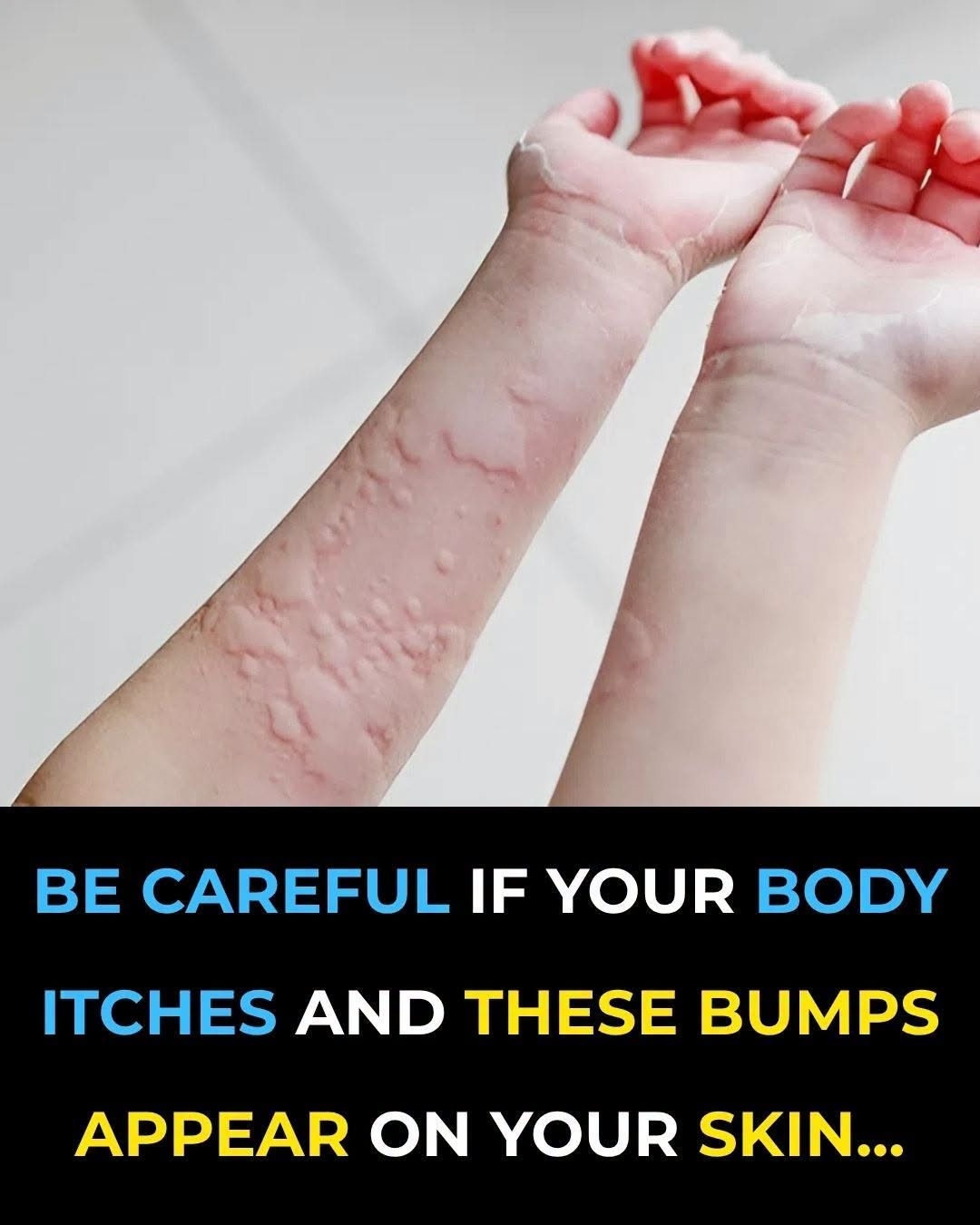
Persistent itching that appears without an obvious cause can disrupt sleep, concentration, and daily comfort in ways that feel both relentless and mysterious. Many people assume the problem is dry skin or a simple allergic reaction, yet the true source often lies deeper. Understanding the less obvious triggers behind chronic itch is the first step toward lasting relief and better control over your skin’s behavior.
One frequently overlooked trigger is temperature change. Moving from a warm indoor environment into cold outdoor air, or the reverse, can cause blood vessels near the skin surface to react dramatically. For some individuals this reaction produces widespread itching or raised welts that last long after the temperature has stabilized. Paying attention to how your skin responds during seasonal transitions or after hot showers can reveal patterns that otherwise go unnoticed.
Friction is another hidden culprit. Tight clothing, rough fabrics, or even the repeated pressure of leaning against a desk can irritate sensitive skin and activate mast cells that release histamine. The resulting itch may appear hours later, making it difficult to connect the symptom with the original cause. Switching to softer, looser garments and reducing prolonged pressure on the same areas of skin often brings noticeable improvement.
Certain medications can quietly provoke or intensify itching. Common over-the-counter pain relievers, some antibiotics, and even blood pressure medicines are known to affect histamine pathways or alter skin barrier function. If the itching began around the same time a new prescription or supplement was introduced, discussing alternatives with a physician is a practical next step.
Emotional stress acts as a powerful amplifier for many skin conditions. Elevated stress hormones can lower the threshold at which the skin reacts to minor irritants, turning a mild sensation into intense, ongoing itch. Practices that lower daily stress levels — consistent sleep, brief periods of quiet, or simple breathing exercises — frequently reduce the frequency and severity of flare-ups even when other triggers remain present.
Dietary factors sometimes operate below the level of classic food allergies. Highly processed foods, artificial additives, or sudden increases in histamine-rich items such as aged cheeses and fermented products can contribute to widespread itching in susceptible people. Keeping a simple food and symptom diary for two to three weeks often uncovers connections that standard allergy tests miss.
Environmental allergens that are not immediately obvious can also play a role. Dust mites in bedding, microscopic mold spores in damp corners of a home, or residual laundry detergent left in clothing may continuously expose the skin to low-level irritants. Thorough cleaning of mattresses and pillows, improving indoor humidity control, and switching to fragrance-free detergents frequently produce clearer skin within a short period.
Physical stimuli such as sunlight, water, or even the act of sweating can trigger specialized forms of hives in some individuals. These reactions may be brief yet intensely uncomfortable, and they often go unrecognized because they appear only under specific conditions. Identifying the precise stimulus allows targeted avoidance and can prevent repeated episodes that otherwise seem random.
When itching persists despite careful attention to these factors, professional evaluation becomes essential. A dermatologist or allergist can help distinguish between different forms of urticaria, rule out underlying medical conditions, and recommend appropriate treatments ranging from non-sedating antihistamines to short courses of other medications when needed. Early consultation prevents the problem from becoming more entrenched and reduces the risk of secondary skin damage from constant scratching.
Many people eventually regain control by combining trigger identification with consistent skin care. Gentle moisturizing, lukewarm rather than hot showers, and the use of soft cotton fabrics create a more stable environment for the skin. Over time these small adjustments, paired with awareness of personal triggers, transform the experience of chronic itch from an overwhelming mystery into a manageable condition.
The most important shift often occurs when the person affected stops accepting constant discomfort as inevitable. Persistent itching is a signal, not a life sentence. By systematically exploring the hidden factors that turn the skin against itself and seeking informed medical guidance when necessary, most individuals can significantly reduce or eliminate the daily burden of unexplained itch and reclaim the comfort of healthy, quiet skin.
Most Popular!
-
 My Husband Abandoned Me 300 Miles From Home as a Joke — Then He Showed Up Five Years Later to Destroy Everything I Built
-
The Mystery Gear: Why Your Old Car Had a Secret “E” Button That Could Save Your Life and Your Wallet
-
The Brutal Truth: My Husband Tried to Control Me on Our Third Day of Marriage — He Didn’t Know Who He Was Dealing With
-
The Midnight Trap: Why One Single Ring Could Cost You Your Entire Life Savings
-
Deadly Garnish: Why Your Innocent Kitchen Staple Is Actually a Silent Risk Lurking in Your Fridge
-
The Illegal Tag Myth: Why You’ve Been Living in Fear of Your Own Mattress
-
The BBQ Bomb: My Father-in-Law Treated My Home Like His Personal Five-Star Restaurant — Until I Served Him an $1,800 Reality Check
-
I Discovered My Mother-in-Law Selling My Priceless Wedding Dress at a Garage Sale — Then I Realized Why She Was Really Doing It