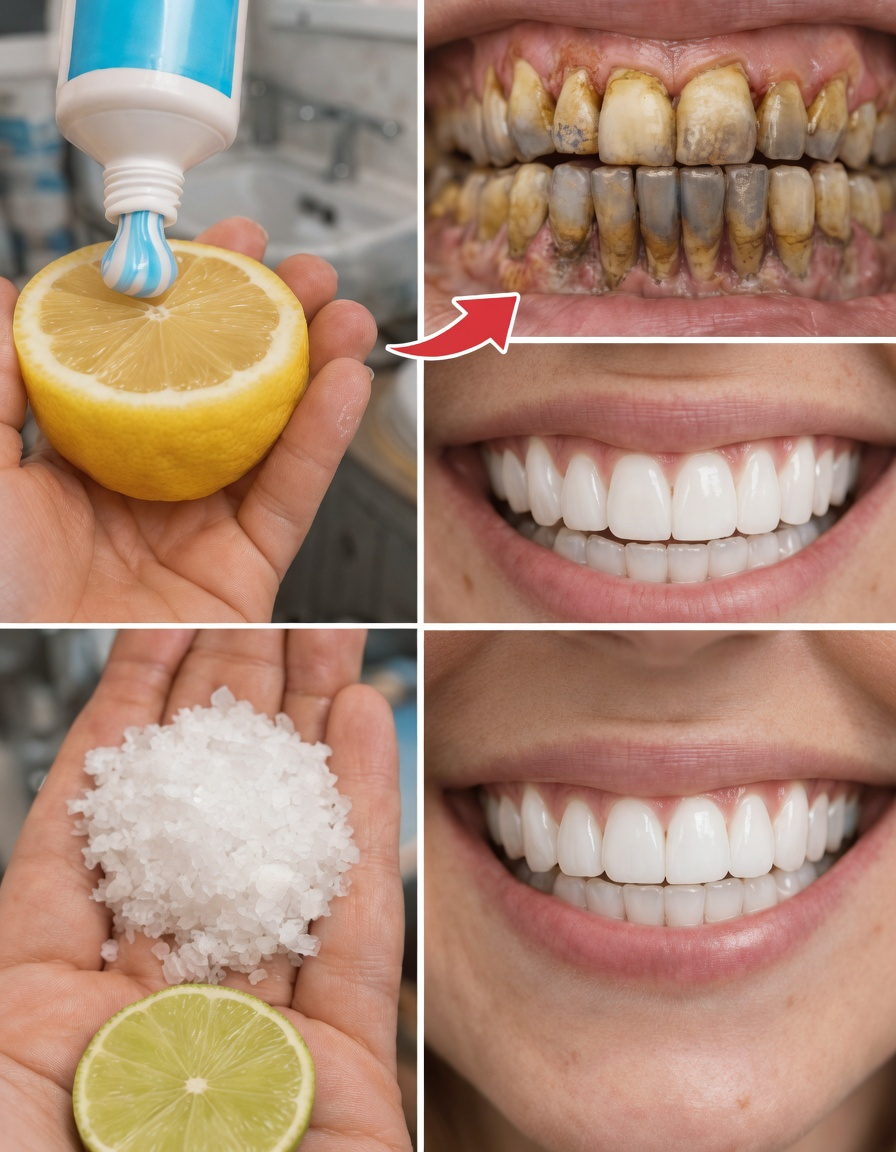
A warm, confident smile can light up a room and change how you feel about yourself every single day. Yet many of us hesitate to show our teeth because of stains, dullness, or uneven color caused by coffee, tea, red wine, aging, or simply the natural wear of everyday life. Professional whitening treatments work well but can be expensive and sometimes harsh on sensitive teeth and gums. The good news is that you can achieve noticeable, gentle brightening at home using ingredients already sitting in your kitchen. This guide focuses on safe, thoughtful methods that respect your enamel while delivering real results over time.
The key to successful natural whitening is patience and consistency. Dramatic overnight changes are rare (and often damaging), but with the right approach, you can gradually reveal a healthier, brighter smile without harsh chemicals or high costs.
Why Kitchen Ingredients Can Safely Whiten Teeth
Many everyday foods and pantry staples contain natural acids, enzymes, or mild abrasives that lift surface stains and polish enamel. Unlike harsh bleaching agents, these methods work more gently and can even support overall oral health when used correctly. They won’t change the intrinsic color of your teeth dramatically, but they excel at removing years of built-up stains for a fresher, more vibrant appearance.
Always remember: gentle is better. Overdoing any whitening method, even natural ones, can weaken enamel over time. Start slowly, listen to your teeth, and combine these techniques with excellent daily oral care.
1. Baking Soda + Hydrogen Peroxide Paste – The Classic Power Duo
This is one of the most effective and well-researched home whitening methods. Baking soda acts as a gentle abrasive that scrubs away surface stains, while food-grade hydrogen peroxide (3% solution) provides mild bleaching action.
How to use it:
- Mix 1 teaspoon of baking soda with enough 3% hydrogen peroxide to form a thick paste.
- Brush gently for 1–2 minutes, 2–3 times per week.
- Rinse thoroughly and follow with regular toothpaste.
Many people notice a difference within a couple of weeks. For extra freshness, add a drop of peppermint essential oil.
2. Strawberries and Baking Soda Mash
Strawberries contain malic acid, a natural enamel polisher, along with vitamin C that supports gum health.
Simple recipe:
- Mash 2–3 ripe strawberries into a pulp.
- Mix in a pinch of baking soda.
- Apply to teeth with a soft toothbrush or finger for 5 minutes.
- Rinse well and brush normally.
Use this once or twice a week. The results are subtle but cumulative, and your mouth will taste delicious afterward.
3. Apple Cider Vinegar Rinse (Use with Caution)
The acetic acid in apple cider vinegar can help dissolve stains, but it is quite strong and acidic.
Safe method:
- Dilute 1 teaspoon of apple cider vinegar in a cup of water.
- Swish for 30–60 seconds as a mouth rinse after brushing.
- Rinse your mouth thoroughly with plain water afterward.
Limit this to 2–3 times per week and never use undiluted vinegar on your teeth.
4. Coconut Oil Pulling for Gentle Brightening and Detox
Oil pulling with coconut oil is an ancient practice that can reduce bacteria, freshen breath, and slowly lift stains.
How to do it:
- Take 1 tablespoon of virgin coconut oil.
- Swish gently in your mouth for 10–15 minutes (start with 5 if it feels long).
- Spit into the trash (not the sink, to avoid clogs).
- Rinse and brush as normal.
Do this in the morning before eating or drinking. Many people report whiter teeth and healthier gums after a month of consistent use.
5. Turmeric Paste for Natural Polish
It sounds counterintuitive because turmeric stains fabric, but when used properly it actually polishes teeth.
Recipe:
- Mix ½ teaspoon of organic turmeric powder with a little water or coconut oil to form a paste.
- Brush gently for 2 minutes.
- Rinse very well and follow with regular toothpaste.
Use once a week. The mild abrasive action and anti-inflammatory properties make it excellent for overall oral health.
6. Banana Peel Rub – Surprisingly Effective
The inside of a banana peel contains minerals and gentle acids that can help polish teeth.
Simple technique:
- Rub the inside of a ripe banana peel on your teeth for 2 minutes.
- Let it sit for another 2–3 minutes before rinsing.
- Brush afterward.
Do this 2–3 times per week. Many people notice a subtle brightening effect after consistent use.
7. Activated Charcoal for Deep Stain Removal
Activated charcoal is highly absorbent and can pull stains from the surface of teeth.
How to use:
- Wet your toothbrush and dip it in food-grade activated charcoal powder.
- Brush gently in small circles for 2 minutes.
- Rinse thoroughly until the water runs clear.
Use no more than twice a week. It works especially well on coffee and tea stains.
Daily Habits That Keep Your Smile Bright
The best whitening results come from combining these treatments with smart daily habits:
- Drink staining beverages through a straw.
- Rinse your mouth with water after coffee, tea, or wine.
- Wait 30 minutes after acidic foods before brushing.
- Use a soft-bristled toothbrush and gentle technique.
- Stay hydrated — dry mouth can lead to more plaque and staining.
- Chew sugar-free gum with xylitol after meals.
Important Safety Reminders
- Never use these methods if you have open sores, extreme sensitivity, or dental work in progress without consulting your dentist first.
- Stop immediately if you experience pain or increased sensitivity.
- Natural methods work best for surface stains. Deep discoloration may still need professional treatment.
- Children, pregnant women, and people with dental conditions should be extra cautious.
Final Thoughts: Patience and Consistency Win
Brightening your smile at home is less about dramatic one-time treatments and more about building gentle, sustainable habits. Most people see noticeable improvement within 2–4 weeks when they stay consistent and pair these methods with good oral hygiene.
Your smile is worth the effort, but it doesn’t have to cost a fortune or cause discomfort. The kitchen ingredients in your pantry can be powerful allies when used thoughtfully and respectfully. Take it slow, enjoy the process, and celebrate the small improvements along the way.
A brighter, healthier smile isn’t just about appearance — it’s about feeling confident when you laugh, speak, and connect with the people you love. Start with one or two methods that feel easiest for you, and build from there. Your future self (and your mirror) will thank you.
Have you tried any natural whitening methods at home? Which ones worked best for you? Share your experiences in the comments below — your tips might help someone else smile a little brighter today.
Most Popular!
-
 My Brother Took the House, But Grandpa’s Cabin Held a Surprising Secret That Changed Everything
-
Before You Throw Away That Tea Bag: Practical and Creative Ways to Reuse It at Home
-
The Surprising Truth Behind Why Dogs Sniff People – And What They’re Really Trying to Tell You
-
Strange Objects in Bedding Turn Out to Have a Surprisingly Simple Explanation
-
She Lost Her Father in a Tragic Family Betrayal and Was Left With Just $300 – Then She Rose to Fame and Changed Everything
-
What Really Happens When You Eat Boiled Eggs Every Morning – A Complete Guide Backed by Nutrition Science
-
Why You Might See Metal Bands Around Tree Trunks – And What They Really Do
-
My 15-Year-Old Daughter Came Home from Her Grandmother’s House and Locked Herself in Her Room – What I Discovered Changed Everything