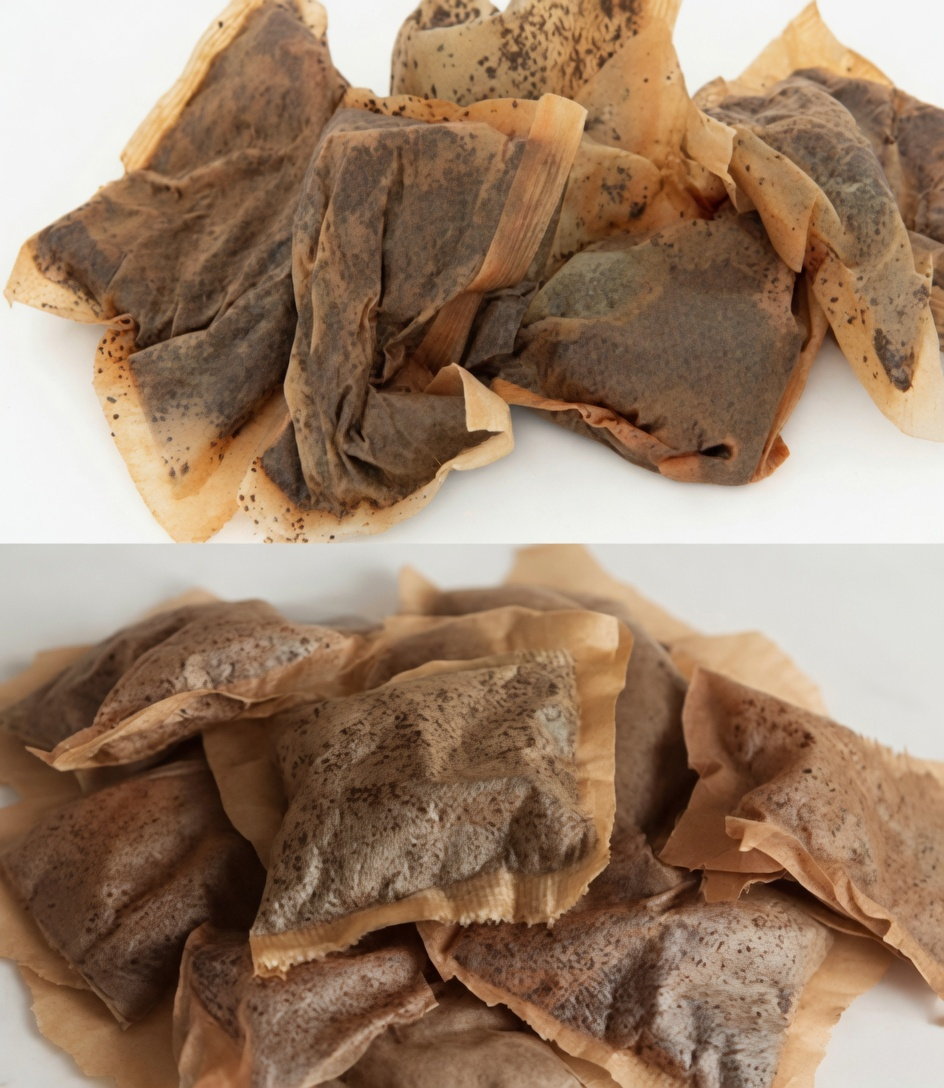
Most of us finish our morning cup of tea or evening chamomile and automatically toss the used tea bag in the trash. It feels like waste, but that soggy little bag still has a surprising amount of life left in it. Reusing tea bags is one of the easiest, cheapest, and most eco-friendly habits you can adopt. With billions of tea bags used daily around the world, small changes like this add up to real environmental impact while saving you money and giving you clever solutions for everyday problems. Here’s how to give those used tea bags a second (and sometimes third) life.
1. Natural Garden Fertilizer and Soil Booster
Used tea bags are rich in nitrogen, potassium, and other minerals that plants love. Simply bury the tea bag near the roots of acid-loving plants like roses, blueberries, tomatoes, or azaleas. As it decomposes, it slowly releases nutrients and improves soil structure. For potted plants, cut open the bag and sprinkle the damp leaves directly onto the soil, then water lightly. This works especially well for ferns and leafy greens. Avoid using flavored or sweetened tea bags, as added ingredients can attract pests.
2. Gentle Cleaning and Deodorizing Around the House
Tea’s natural tannins and mild acidity make used bags excellent for cleaning. Rub a cooled tea bag over mirrors, glass, or chrome to remove streaks and fingerprints without harsh chemicals. For refrigerators and trash cans, place dried used tea bags inside to absorb odors naturally. You can also freshen up musty drawers or gym bags by tucking in a few dried bags. Black tea works best for cleaning due to its stronger tannin content, while herbal teas like peppermint or lavender add pleasant scents.
3. Soothing Skincare and Beauty Treatments
Tea bags are a spa-quality treat right from your kitchen. Chill used green or chamomile tea bags and place them over closed eyes for 10–15 minutes to reduce puffiness and dark circles. The antioxidants and anti-inflammatory properties calm irritated skin. For a quick foot soak, steep several used bags in warm water and relax your tired feet. You can also use cooled black tea bags as a gentle toner for oily skin or as a rinse after shampooing to add shine to dark hair.
4. Natural Deodorizer for Shoes and Closets
Damp tea bags can be dried and placed inside smelly shoes, boots, or sports bags overnight. The leaves absorb moisture and neutralize odors effectively. In closets, tuck dried bags into pockets of winter coats or between folded clothes to keep them fresh. This trick works particularly well with Earl Grey or citrus-scented teas, which leave a subtle pleasant aroma behind.
5. Cooking and Flavor Enhancements
Don’t underestimate used tea bags in the kitchen. Steep them again briefly to create a mild tea broth for cooking rice, quinoa, or couscous — it adds subtle flavor and extra antioxidants. Use black tea bags to tenderize meat (the tannins help break down proteins). You can even add dried used tea leaves to homemade spice rubs, salad dressings, or baked goods for an earthy depth. Smoky teas like Lapsang Souchong create wonderful marinades for grilled vegetables or tofu.
6. Natural Dye for Fabric and Craft Projects
Used tea bags create beautiful, soft beige and tan dyes for fabric, paper, or Easter eggs. Simmer a handful of bags in water, strain, and soak clean cotton fabric or paper for 30 minutes to several hours depending on the shade you want. This is a wonderful zero-waste project for kids or DIY enthusiasts. The color is subtle and elegant, perfect for vintage-style napkins, gift tags, or old t-shirts you want to refresh.
7. Compost Accelerator
If you compost at home, used tea bags (removed from their plastic or paper wrappers if necessary) are fantastic “green” material. They add nitrogen and help balance the carbon-heavy brown materials like leaves and cardboard. Worms in vermicomposting bins particularly love tea leaves. Just make sure to remove any staples or non-compostable strings first.
8. Relieve Minor Aches and Freshen Breath
Some people swear by placing a cooled used tea bag on minor cuts, sunburns, or insect bites for its natural antiseptic and soothing qualities. For bad breath or after eating garlic, chew on a used mint or green tea bag for a minute or two. The tannins help neutralize odors naturally.
Smart Tips for Safe and Effective Reuse
- Always let tea bags cool completely before reusing to avoid burns.
- Squeeze out excess liquid to prevent mold.
- Use within 24 hours for best results, or dry them thoroughly for longer storage.
- Avoid reusing flavored or sweetened tea bags for gardening or skincare.
- Remove any staples, strings, or plastic components before composting or direct garden use.
The Bigger Picture: Why This Small Habit Matters
Each year, billions of tea bags end up in landfills. Many contain microplastics in their bags or strings. Reusing even a few per day reduces waste, cuts down on purchases, and gives you free solutions for common household needs. It’s a tiny change that feels good and adds up quickly.
Start small. Keep a small container near your kettle for used bags and experiment with one or two ideas this week. You’ll likely be surprised how many uses you discover for yourself.
The next time you finish your cup of tea, pause before tossing that bag. With a little creativity, it can clean your house, nourish your garden, soothe your skin, or even inspire a new craft project. Simple habits like this remind us that some of the best resources are the ones we almost throw away.
Have you tried reusing tea bags for any of these purposes? What’s your favorite creative way to give them a second life? Share your tips and experiences in the comments below — your idea might become someone else’s new favorite zero-waste trick!
Most Popular!
-
 My Brother Took the House, But Grandpa’s Cabin Held a Surprising Secret That Changed Everything
-
The Surprising Truth Behind Why Dogs Sniff People – And What They’re Really Trying to Tell You
-
Strange Objects in Bedding Turn Out to Have a Surprisingly Simple Explanation
-
She Lost Her Father in a Tragic Family Betrayal and Was Left With Just $300 – Then She Rose to Fame and Changed Everything
-
What Really Happens When You Eat Boiled Eggs Every Morning – A Complete Guide Backed by Nutrition Science
-
Why You Might See Metal Bands Around Tree Trunks – And What They Really Do
-
My 15-Year-Old Daughter Came Home from Her Grandmother’s House and Locked Herself in Her Room – What I Discovered Changed Everything
-
The Strange Object Under the Car – When a Small Discovery Raises Unexpected Questions That Changed Everything