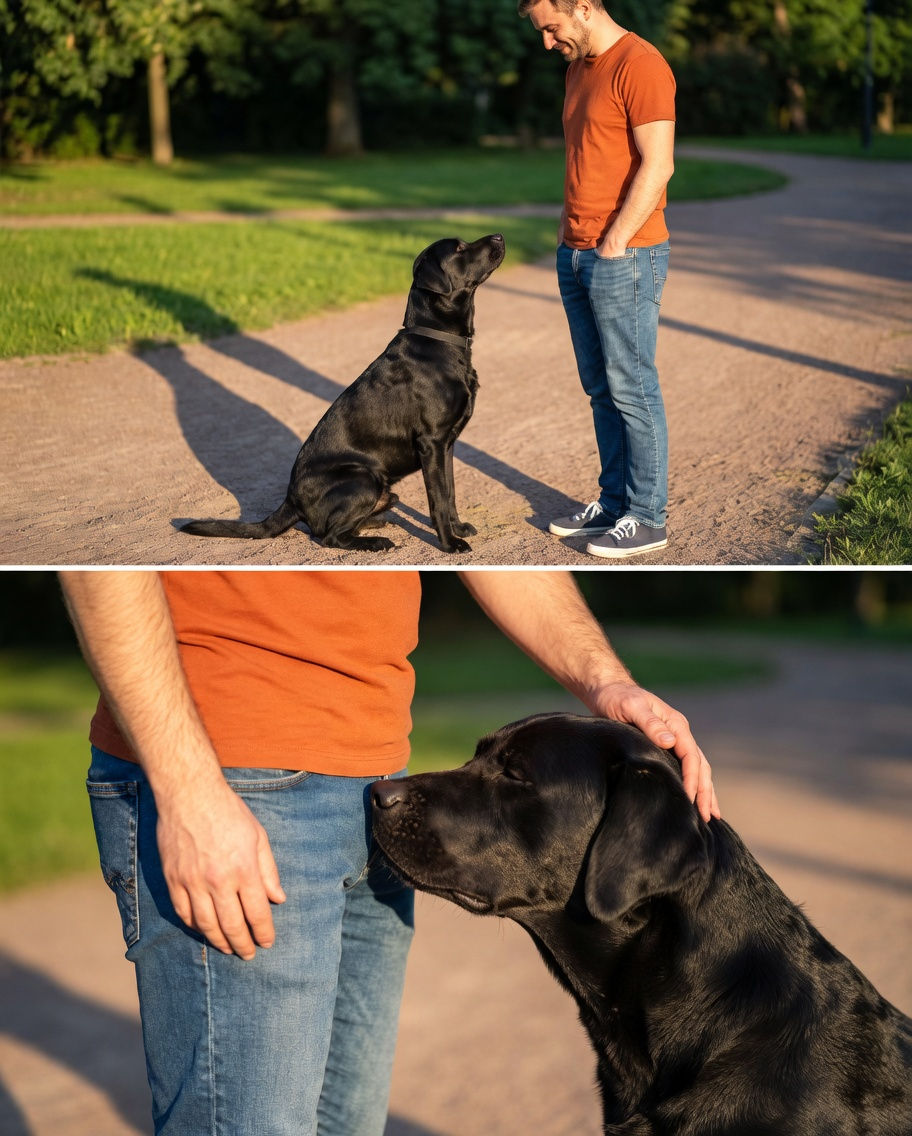
You’ve just met someone new, and your dog immediately buries their nose in their crotch, armpit, or shoes. Or maybe your own dog greets you at the door with an intense sniffing session that feels more like an interrogation than a welcome home. It’s one of the most common (and sometimes embarrassing) dog behaviors, yet most people don’t fully understand what’s really happening. Dogs aren’t just being rude or curious — they’re gathering incredibly detailed information about you and the world around them. Their sense of smell is so powerful that it shapes how they see us, and every sniff carries meaning.
The Incredible Canine Nose
To understand why dogs sniff people so obsessively, you first have to appreciate just how extraordinary their sense of smell is. While humans have about 6 million olfactory receptors, dogs have up to 300 million. Their noses are so sensitive they can detect odors at concentrations of parts per trillion — the equivalent of finding one drop of liquid in 20 Olympic-sized swimming pools. The part of a dog’s brain dedicated to analyzing smells is proportionally 40 times larger than ours. This means when your dog sniffs you, they’re not just smelling “human” — they’re reading a complex chemical story.
What Dogs Are Actually Learning When They Sniff You
Every person has a unique scent profile made up of:
- Diet and metabolism — What you ate recently, how your body processes food, even certain health conditions
- Emotional state — Stress hormones like cortisol have distinct smells
- Health markers — Early signs of illness, hormonal changes, or blood sugar fluctuations
- Personal history — Where you’ve been, who you’ve been around, what you’ve touched
When a dog sniffs a stranger, they’re building a complete dossier. They can tell if someone is nervous, excited, pregnant, sick, or even if they’ve recently been around other animals. This is why service dogs can detect oncoming seizures, low blood sugar, or certain cancers — they’re reading chemical changes we can’t perceive.
The Social Sniff: Why the Crotch and Butt?
Yes, it’s awkward when your dog goes straight for the crotch. But from a dog’s perspective, this is the most efficient way to gather important social data. The groin and anal areas contain apocrine glands that release pheromones and scent markers carrying information about:
- Sex and reproductive status
- Emotional state
- Social hierarchy signals
- Identity confirmation (“I’ve met you before”)
It’s the canine version of checking someone’s ID and social media profile at the same time. Polite dogs do a quick check and move on. Overly enthusiastic sniffers are either very curious, poorly socialized, or particularly interested in the information they’re receiving.
How Dogs Read Familiar People Differently
When your dog sniffs you intensely after you’ve been away, they’re doing more than saying hello. They’re updating their mental database. “You smell like the coffee shop, the train, that one coworker who has a cat…” This helps them understand your day and emotional state. Many owners notice their dogs become extra sniffy when they’re stressed, sick, or even ovulating — the dog is checking on their favorite human’s well-being.
What Different Types of Sniffing Mean
- Quick, light sniffs — Casual greeting or confirmation you’re okay
- Deep, prolonged sniffing — Gathering detailed information (often health or emotional)
- Sniffing with wrinkled nose or pulled-back lips — Something unusual or concerning in your scent
- Sniffing followed by licking — Affection mixed with information gathering
- Avoiding sniffing / turning away — Unusual, can indicate the dog is overwhelmed, unwell, or senses something off
The Health Detection Phenomenon
Some dogs become famous for saving lives by sniffing out cancer, migraines, or dangerous blood sugar drops. This isn’t magic — it’s their incredible nose detecting volatile organic compounds (VOCs) produced by diseased cells or chemical imbalances. Medical detection dogs are now being trained for Parkinson’s, malaria, and even COVID-19. Your pet dog might not be trained, but they can still notice when something in your chemistry changes.
Training Better Sniffing Manners
If your dog’s sniffing habits embarrass you in public, you can teach better greeting manners without punishing their natural instincts:
- Teach a “place” command or “sit for greeting”
- Use treats to redirect attention after a brief sniff
- Give them a designated toy or blanket with your scent for comfort
- Exercise them before guests arrive so they’re calmer
Never punish sniffing — it’s how dogs experience the world. Redirect instead.
Fun Facts About Canine Sniffing
- Dogs can smell time — they can tell how long ago you left based on how your scent has faded
- Female dogs tend to sniff more thoroughly than males in social situations
- Dogs have a special organ (vomeronasal organ) that processes pheromones differently from regular smells
- Some dogs can distinguish identical twins by scent alone
Respecting Your Dog’s Need to Sniff
Understanding why dogs sniff helps us become better guardians. Instead of yanking them away every time they investigate, give them appropriate opportunities to use their superpower. Scent work games, sniff walks (where they lead and explore with their nose), and puzzle toys are excellent ways to satisfy their natural drives while strengthening your bond.
The next time your dog gives someone (or you) a thorough sniffing, remember they’re not being rude — they’re reading the most detailed biography available. That wet nose is processing information at a level we can barely comprehend.
Dogs don’t see the world the way we do. They smell it. And every time they press their nose against a person, they’re collecting data that helps them understand and protect their favorite humans.
So the next time you catch your dog doing their signature full-body scent check, smile instead of cringing. They’re just making sure you’re still you — and that everything’s okay.
Have you noticed any interesting sniffing behaviors in your dog? Do they seem to react differently to certain people or when you’re feeling certain emotions? Share your stories in the comments — we’d love to hear how your dog’s nose has surprised you!
Most Popular!
-
 My Brother Took the House, But Grandpa’s Cabin Held a Surprising Secret That Changed Everything
-
Before You Throw Away That Tea Bag: Practical and Creative Ways to Reuse It at Home
-
Strange Objects in Bedding Turn Out to Have a Surprisingly Simple Explanation
-
She Lost Her Father in a Tragic Family Betrayal and Was Left With Just $300 – Then She Rose to Fame and Changed Everything
-
What Really Happens When You Eat Boiled Eggs Every Morning – A Complete Guide Backed by Nutrition Science
-
Why You Might See Metal Bands Around Tree Trunks – And What They Really Do
-
My 15-Year-Old Daughter Came Home from Her Grandmother’s House and Locked Herself in Her Room – What I Discovered Changed Everything
-
The Strange Object Under the Car – When a Small Discovery Raises Unexpected Questions That Changed Everything