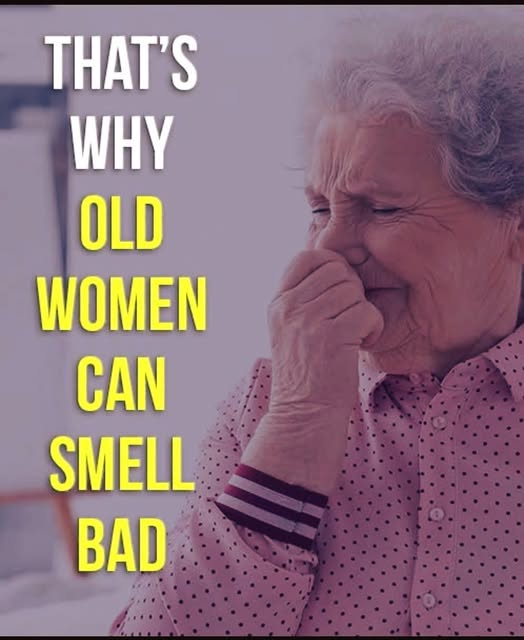
As we get older, our bodies go through countless subtle shifts that we often don’t notice until they become obvious. One of the more surprising and sometimes embarrassing changes involves something most of us prefer not to talk about: body odor. What used to be minimal or easily managed can become stronger, different in character, or more persistent even with the same hygiene habits. This isn’t just “getting old” or poor self-care — it’s rooted in real biological transformations that affect skin, sweat glands, hormones, and the bacteria living on our bodies. Understanding these changes empowers you to address them effectively rather than feeling self-conscious or defeated by something that’s largely preventable and manageable.
The skin undergoes some of the most noticeable transformations with age. It becomes thinner, less elastic, and renews itself more slowly. Dead skin cells that once sloughed off efficiently now linger longer on the surface. This buildup creates a perfect environment for bacteria to thrive, especially in areas like underarms, groin, and feet where moisture and warmth are naturally higher. The bacteria break down sweat and skin oils into compounds that produce stronger, sometimes more sour or musty smells. What many people describe as “old person smell” is often this combination of slower exfoliation and altered bacterial balance rather than any single dramatic change.
Hormonal shifts play a major supporting role too. As estrogen and testosterone levels decline, particularly during and after menopause for women or andropause for men, the composition of sweat can change. Apocrine glands, which are concentrated in areas like the armpits and groin, become more prone to producing secretions that bacteria love to feast on. This leads to a shift from the fresh sweat smell of youth to something earthier or more pungent. Thyroid changes, common in older adults, can also influence metabolism and perspiration patterns, further contributing to noticeable differences.
Another key factor is how our bodies regulate temperature and sweat production. Younger skin is better at efficient cooling through quick evaporation. With age, sweat glands can become less responsive or overactive in certain areas, leading to inconsistent sweating that allows moisture to sit longer on the skin. Medications for blood pressure, depression, or other common age-related conditions can exacerbate this by causing dry mouth, increased perspiration, or changes in body chemistry. Even dietary habits that were once neutral can start interacting differently with an aging digestive system and liver function, influencing the odors that are excreted through sweat.
Many older adults also notice increased foot odor or changes in breath and urine scent. Reduced mobility can mean less air circulation to feet, while slower digestion or certain foods can amplify smells. The good news is that these changes don’t have to be accepted as inevitable. Simple, consistent strategies can make a significant difference without requiring drastic lifestyle overhauls.
Daily hygiene needs a slight upgrade for aging skin. Gentler, fragrance-free cleansers prevent stripping natural oils that protect the skin barrier. Over-washing with harsh soaps can actually worsen odor by disrupting the microbiome and causing irritation that bacteria exploit. Focus on thorough but gentle cleansing of key areas, followed by complete drying — moisture is odor’s best friend. Antiperspirants with aluminum compounds remain effective for many, but those with sensitive skin might prefer natural alternatives like witch hazel or baking soda-based options after consulting a dermatologist.
Diet plays a surprisingly powerful role. Foods like garlic, onions, spicy dishes, and red meat can produce stronger metabolites that exit through sweat. Increasing intake of chlorophyll-rich greens, fresh herbs like parsley and mint, and probiotic foods helps internally neutralize odors. Staying well-hydrated dilutes sweat and supports better detoxification through the kidneys rather than relying heavily on skin excretion. Some people find that cutting back on processed foods and alcohol leads to noticeable freshness within weeks.
Clothing and environment matter more than ever. Breathable natural fabrics like cotton, bamboo, or moisture-wicking materials prevent trapping sweat against the skin. Changing out of damp clothes promptly, especially after exercise or hot days, reduces bacterial growth. Shoes and socks deserve attention too — rotating pairs and using antifungal powders or UV sanitizers keeps feet fresher. For those with limited mobility, investing in a good bidet attachment or shower chair can make personal care easier and more effective.
Medical factors shouldn’t be overlooked. Conditions like diabetes, kidney or liver issues, and certain infections can dramatically alter body odor. If changes are sudden or accompanied by other symptoms like fatigue, weight shifts, or unusual thirst, it’s wise to see a doctor. Simple blood work can rule out underlying issues that might be contributing. Medications themselves sometimes require adjustments if they’re making odor management harder.
Skincare routines tailored for mature skin help at the surface level. Gentle exfoliation a few times a week with mild acids or enzyme-based products removes dead cell buildup without irritation. Moisturizing regularly maintains the skin barrier, reducing the environment where odor-causing bacteria flourish. Some find success with body washes containing tea tree oil, charcoal, or mild antibacterials, but moderation is key to avoid dryness.
Social and emotional aspects deserve compassion too. Many older adults feel embarrassed by these changes, leading them to withdraw from social activities or close relationships. Open conversations with trusted family members or healthcare providers can reduce shame and lead to practical solutions. Partners often appreciate understanding the “why” behind changes so they can offer support rather than silent judgment. Normalizing this as a common part of aging — much like gray hair or joint stiffness — helps everyone approach it with less stigma.
Lifestyle habits that support overall vitality also combat odor indirectly. Regular movement improves circulation and lymphatic drainage, helping the body clear waste more efficiently. Strength training and balance exercises maintain mobility for better self-care. Quality sleep regulates hormones better, while stress management through meditation or hobbies prevents cortisol-driven sweat changes. Even maintaining a healthy weight reduces skin folds where moisture and bacteria accumulate.
For those caring for aging parents or loved ones, gentle encouragement around hygiene routines can make a big difference. Providing easy-to-use products, comfortable clothing, and private space for care respects dignity while addressing the practical side. Professional caregivers are often trained in sensitive approaches to these issues.
The aging process doesn’t have to mean accepting unpleasant odors as permanent. With awareness, small consistent adjustments, and occasional medical input, most people can maintain confidence and freshness well into their later years. It’s about working with your body’s new realities rather than fighting them or feeling ashamed.
Many who address these changes report not just better smell but improved skin comfort, energy, and social ease. What starts as a practical concern often leads to broader wellness improvements. The key is approaching it proactively with curiosity instead of embarrassment.
Your body has carried you through decades of life — giving it the tailored care it needs now is an act of gratitude and self-respect. Whether you’re noticing changes yourself or supporting someone who is, knowledge turns a potential source of insecurity into an opportunity for better health and continued vitality. Small daily habits compound over time, helping you feel fresh, confident, and fully engaged in life at every stage. Age brings wisdom and perspective; there’s no reason it can’t also bring comfort and assurance in your own skin.
Most Popular!
-
 The Haunting Last Words That Echoed After a Young Woman Plunged to Her Death in a Horrific Bungee Jump Tragedy
-
The Haunting Last Words That Echoed After a Young Woman Plunged to Her Death in a Horrific Bungee Jump Tragedy
-
The Miraculous Recovery of Buddy: How a Brutally Burned Dog Defied the Odds and Found a Life Full of Love
-
From Broken Family Chaos to Hollywood Stardom: How One Woman Turned Early Heartbreak Into Unstoppable Success
-
The Janitor’s Quiet Dignity: How His Granddaughter’s Graduation Speech Exposed Years of Cruelty and Changed Everything
-
The Neighbor Who Destroyed My Late Husband’s Final Gift to Our Daughter Learned the Hard Way That Some Things Can’t Be Painted Over
-
The Silent Invader Lurking in Millions of Bodies: Why HPV Could Be Hiding in You Right Now
-
That “Minor” Dizzy Spell Could Be Your Brain’s Desperate Warning of a Mini-Stroke—Here’s Why You Must Never Ignore It