We’ve all had those fleeting moments where something feels off in our body—a sudden wave of dizziness, a numb arm that quickly passes, or words that momentarily tangle on the tongue. In the rush of daily life, it’s tempting to brush them aside as stress, dehydration, or just one of those random glitches that happen as we age. But what if those brief episodes are actually silent alarms from your brain, signaling a transient ischemic attack, commonly known as a mini-stroke? This misunderstood event might resolve quickly on its own, but dismissing it could pave the way for a full-blown, life-altering stroke that leaves permanent damage or worse. Understanding the real danger and learning to spot the signs could literally save your life or that of someone you love.
A transient ischemic attack occurs when blood flow to a part of the brain is temporarily blocked, often by a clot or narrowed artery. Unlike a major stroke, the blockage clears on its own, and symptoms typically fade within minutes to hours, leaving no obvious lasting impairment. This temporary nature is exactly what makes TIAs so treacherous. Many people experience one and convince themselves it was nothing serious, only to suffer a devastating stroke days, weeks, or months later. Medical experts consider a mini-stroke a critical warning sign—up to 20 percent of people who have one will experience a major stroke within 90 days, with the highest risk in the first 48 hours. It’s your brain’s way of waving a red flag before a potential catastrophe.
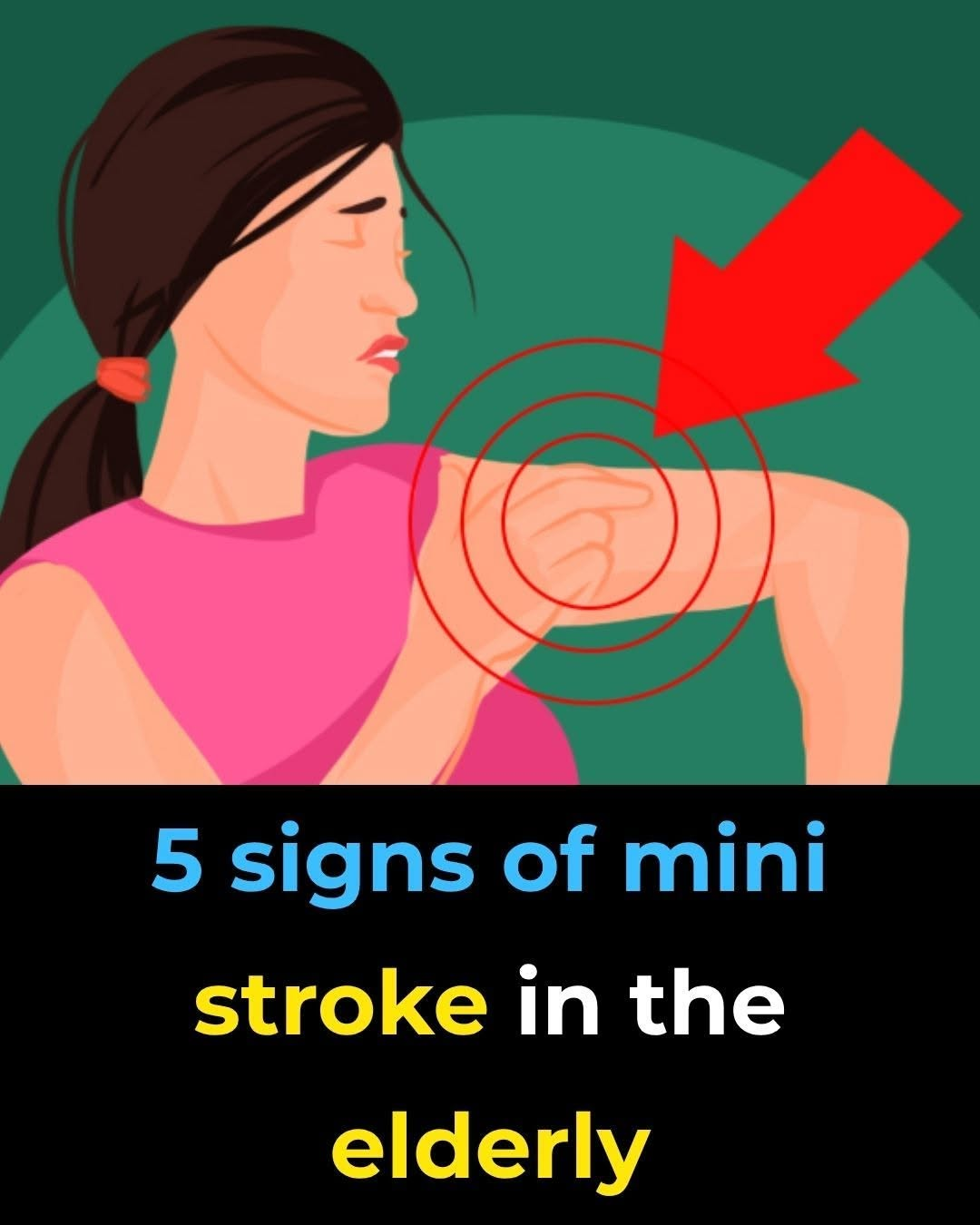
The symptoms can be subtle and easy to rationalize, which is why awareness is everything. One of the most common indicators is sudden weakness or numbness, usually affecting one side of the body. You might notice your arm going limp while reaching for a cup, your face drooping on one side when you smile, or a leg feeling heavy and uncooperative. This unilateral effect stems from the brain’s crossed wiring, where one hemisphere controls the opposite side of the body. Even if the sensation passes quickly, it demands immediate attention because it points to disrupted blood supply in critical areas.
Speech and communication difficulties represent another major red flag. You could suddenly struggle to find the right words, slur your speech as if you’d had too much to drink, or find it hard to understand what others are saying. Conversations that were effortless moments before become confusing and frustrating. Family members might notice you seeming “off” or distant. These changes happen because language centers in the brain are highly sensitive to even brief interruptions in oxygen-rich blood. Ignoring this because “it went away” misses the chance to prevent far worse outcomes.
Vision problems often accompany or appear on their own during a TIA. You might experience sudden blurred vision, double sight, or a temporary loss of vision in one eye, sometimes described as a curtain falling across your field of view. These aren’t typical headaches or eye strain—they signal that the visual processing areas are struggling. Because they resolve fast and without pain, people frequently attribute them to fatigue, migraines, or needing new glasses. But in the context of other symptoms, they form a clear pattern that professionals recognize instantly.
Balance and coordination issues can feel like ordinary vertigo at first. A sudden, severe dizziness, loss of equilibrium, or unexplained stumbling might hit without warning. You could feel the room spinning or find yourself unable to walk straight, even falling for no apparent reason. When this pairs with any other neurological symptom, it’s rarely benign. The brain’s coordination centers are extremely vulnerable to blood flow changes, and these episodes serve as urgent alerts that something in your vascular system needs urgent evaluation.
A thunderclap headache—intense, sudden, and unlike any you’ve had before—can also signal trouble, especially when combined with other signs. This isn’t your everyday stress headache; it feels explosive and alarming. While less common in TIAs than the other symptoms, it underscores the seriousness of what’s happening inside your skull. The key is acting fast rather than waiting to see if it improves on its own.
The FAST acronym remains one of the simplest and most effective tools for recognizing potential stroke or mini-stroke symptoms: Face drooping, Arm weakness, Speech difficulty, and Time to call emergency services. If you notice any of these, don’t hesitate—call for help immediately. Driving yourself or waiting it out can waste precious minutes during which brain tissue is at risk. Paramedics and hospitals have protocols to quickly assess and treat these events, often preventing escalation.
Risk factors for TIAs mirror those for full strokes: high blood pressure, diabetes, high cholesterol, smoking, atrial fibrillation, obesity, and a sedentary lifestyle. Age plays a role, with risk increasing after 55, but younger people aren’t immune, especially with underlying conditions or family history. The good news is that many of these are modifiable. Controlling blood pressure through medication and lifestyle, eating a heart-healthy diet, staying active, managing diabetes, and quitting smoking can dramatically reduce your chances of experiencing a mini-stroke or worse.
After a TIA, doctors typically run tests like MRIs, CT scans, ultrasounds of neck arteries, and heart monitoring to identify the root cause. Treatment might involve blood thinners, cholesterol-lowering drugs, blood pressure management, or procedures to clear blockages. Lifestyle changes become non-negotiable. Many survivors describe the event as a wake-up call that led to healthier habits and greater appreciation for life. They emphasize how grateful they are for the warning that allowed intervention before permanent damage.
Prevention extends beyond personal habits to regular check-ups. Knowing your numbers—blood pressure, cholesterol, blood sugar—gives you power. Discussing family history with your doctor and staying vigilant about symptoms empowers proactive care. For those with conditions like atrial fibrillation, following treatment plans closely is crucial since irregular heartbeats can send clots toward the brain.
The emotional impact of a mini-stroke shouldn’t be underestimated. Survivors often feel anxiety about recurrence, but with proper management, many go on to live full, active lives. Support from family, counseling, and stroke support groups can help process the fear and build resilience. Sharing stories raises awareness, encouraging others to take seemingly minor symptoms seriously.
Educating friends and family about these signs creates a safety net. Teach children and loved ones the FAST method so they can act quickly if they witness an episode. In workplaces, schools, and communities, spreading knowledge about TIAs can save lives by reducing the tendency to dismiss symptoms.
Modern medicine has made huge strides in stroke prevention and treatment. From advanced imaging that detects even tiny events to new medications that prevent clots more effectively, the tools exist to turn a warning into a second chance. The difference often comes down to how quickly someone seeks help.
Living with awareness doesn’t mean living in fear. It means respecting your body’s signals and taking steps to protect your brain health every day. Simple actions like walking regularly, eating more vegetables and fish while cutting back on processed foods, staying hydrated, and managing stress through mindfulness or hobbies all contribute to stronger blood vessels and better circulation.
The brain is remarkably resilient but also incredibly fragile when deprived of blood. A mini-stroke is not a minor inconvenience—it’s a critical message demanding attention. By recognizing the five key warning signs—weakness or numbness on one side, speech difficulties, vision changes, dizziness or balance loss, and severe sudden headache—you equip yourself to respond before it’s too late.
Your future self, your family, and everyone who cares about you will benefit from heeding these warnings. The next time something feels neurologically “off” even briefly, don’t shrug it off. Call for help, get checked, and take the opportunity to address underlying issues. That quick action could prevent a lifetime of regret and open the door to many more healthy years ahead. Your brain works tirelessly to keep you going—return the favor by listening closely when it sends an urgent message.
Most Popular!
-
 The Janitor’s Quiet Dignity: How His Granddaughter’s Graduation Speech Exposed Years of Cruelty and Changed Everything
-
The Neighbor Who Destroyed My Late Husband’s Final Gift to Our Daughter Learned the Hard Way That Some Things Can’t Be Painted Over
-
The Silent Invader Lurking in Millions of Bodies: Why HPV Could Be Hiding in You Right Now
-
The Heartbreaking Truth Brad Pitt’s Daughter Finally Shared About Growing Up With a Hollywood Icon
-
The Chilling Final Words of Oliver Tree: A Millionaire Musician’s Eerie Premonition Before His Tragic Death
-
Jennifer Lopez’s Stunning Pregnancy Announcement at 56 Sparks Hope and Conversations About Motherhood Later in Life
-
The Bride’s Heartless Lie About Her Dying Mother Exploded During Her Wedding Vows in the Most Shocking Way
-
The Hidden White Cloth on a Car Windshield: The Life-Saving Roadside Signal Every Driver Needs to Recognize