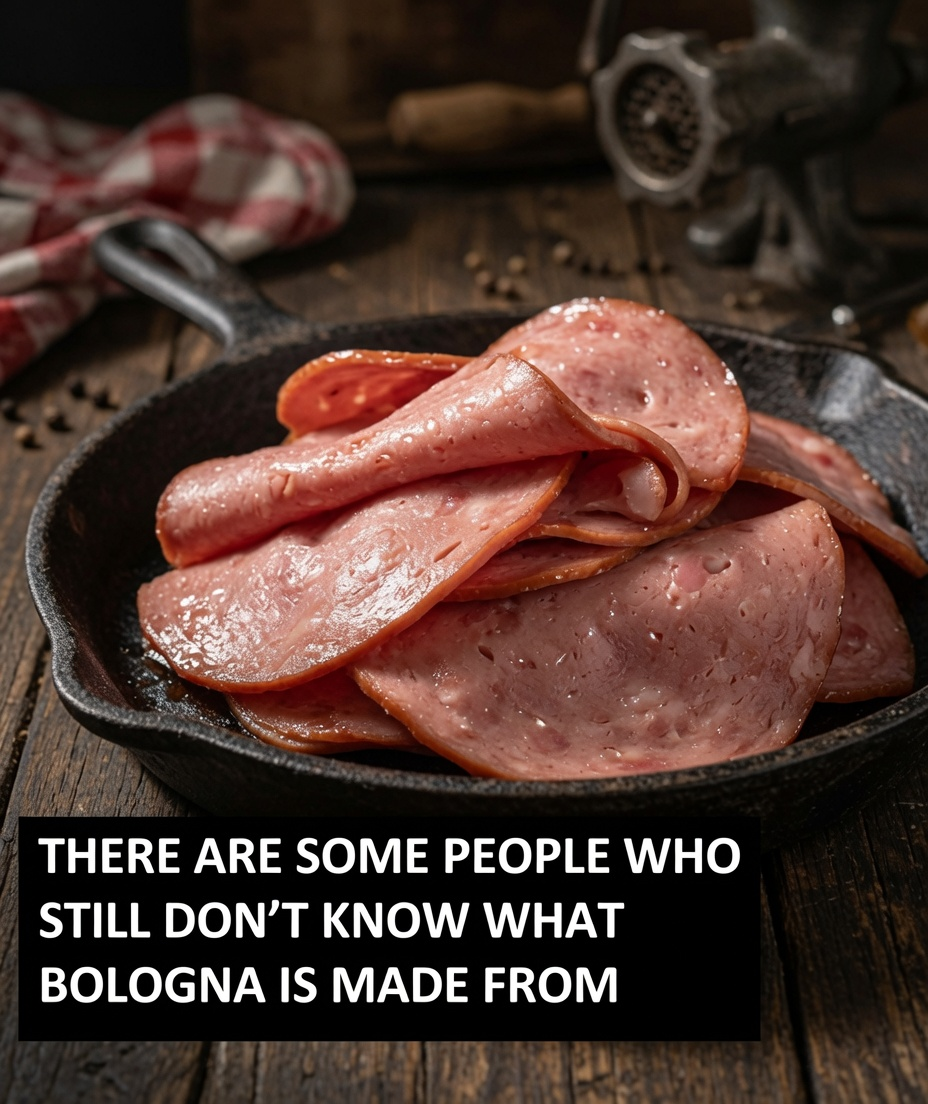
Bologna, that versatile pink sliced meat found in countless sandwiches and lunchboxes, often raises questions about its actual ingredients. While many assume it’s a simple processed meat product, the reality involves specific ingredients and manufacturing processes that transform basic components into the familiar deli staple.
Traditional ingredients
Authentic bologna is essentially a type of sausage made from finely ground meat. The primary ingredient is typically pork, though many commercial varieties in the United States blend pork with beef or sometimes chicken and turkey to achieve desired texture and cost efficiency. The meat mixture gets emulsified with water, salt, and various seasonings including black pepper, coriander, nutmeg, and sometimes garlic or paprika for flavor.
The characteristic pink color comes from curing agents like sodium nitrite, which also helps preserve the meat and prevent bacterial growth. Additional ingredients often include:
- Corn syrup or dextrose for subtle sweetness and browning
- Phosphates to retain moisture
- Ascorbic acid or sodium erythorbate as curing accelerators
- Milk protein or soy protein in some formulations
The manufacturing process
Producing bologna involves grinding the meat mixture very finely, almost to a paste consistency. This emulsion gets stuffed into casings (traditionally natural or collagen, though modern production often uses synthetic materials). The logs are then cooked, cooled, and sliced into the round pieces familiar to consumers.
This finely ground texture distinguishes bologna from coarser sausages. The process creates that smooth, uniform appearance and mild flavor that makes it appealing to children and easy to use in sandwiches.
Regional and specialty variations
Different regions and manufacturers produce distinct styles. Italian mortadella, the original inspiration for American bologna, often contains visible cubes of fat and sometimes pistachios. German-style bologna tends to be spicier, while American versions prioritize mild flavor and uniform texture suitable for mass production.
Some premium or artisanal producers use higher-quality cuts, natural casings, and fewer additives. These versions typically command higher prices and appeal to consumers seeking cleaner ingredient lists.
Nutritional considerations
Like most processed meats, bologna contains relatively high sodium and fat content. A typical serving provides protein but also delivers significant amounts of saturated fat and sodium. Many people enjoy it in moderation as part of a balanced diet, particularly when paired with vegetables and whole grains in sandwiches.
For those watching specific nutrients, turkey or chicken bologna offers lower fat alternatives, though they may contain different additives to achieve similar texture. Reading labels helps identify options with fewer preservatives or specific dietary needs.
Making informed choices
When selecting bologna, consider your priorities:
- Traditional flavor seekers often prefer pork-based versions
- Health-conscious consumers might choose lower-sodium or poultry options
- Those avoiding certain additives should examine ingredient lists carefully
- Quality-focused buyers may opt for artisanal or locally produced varieties
Storage is straightforward—keep opened packages refrigerated and use within the recommended timeframe. The product’s cured nature gives it reasonable shelf life compared to fresh meats.
The bottom line
Bologna is fundamentally a cooked, emulsified sausage product made primarily from pork (or pork blends) seasoned and cured for flavor and preservation. Understanding its composition helps consumers make choices aligned with their preferences and dietary needs. While not the healthiest everyday option, it remains a convenient and nostalgic choice for many when enjoyed occasionally as part of varied eating patterns.
Next time you reach for bologna at the deli counter, you’ll know exactly what you’re getting—a processed meat product with a long history and specific manufacturing process behind its familiar taste and texture. Whether you prefer classic pork bologna or lighter alternatives, informed choices help you enjoy this lunchbox staple responsibly.
Most Popular!
-
 Mystery Deepens After Elderly Woman’s Disappearance as Investigators Search for Answers
-
Marriage Burnout – Recognizing the Signs and Finding Your Way Back
-
Jennifer Garner’s Heartwarming Actions Towards Wheelchair-Bound Homeless Man
-
If There Is a Will, There Is a Way – The Incredible Transformation of This Miserable Kitchen
-
Shelley Fabares Offered a Tender and Nostalgic Rendition of “Johnny Angel”
-
If You Hit Your Head, Watch Out for These Symptoms That Can Show Up Even Days Later
-
Baggage Handler Reveals Shocking Reason You Should Never Tie a Ribbon on Your Luggage
-
Motorcycle Club Arrested After Protecting a Waitress When Police Refused Help