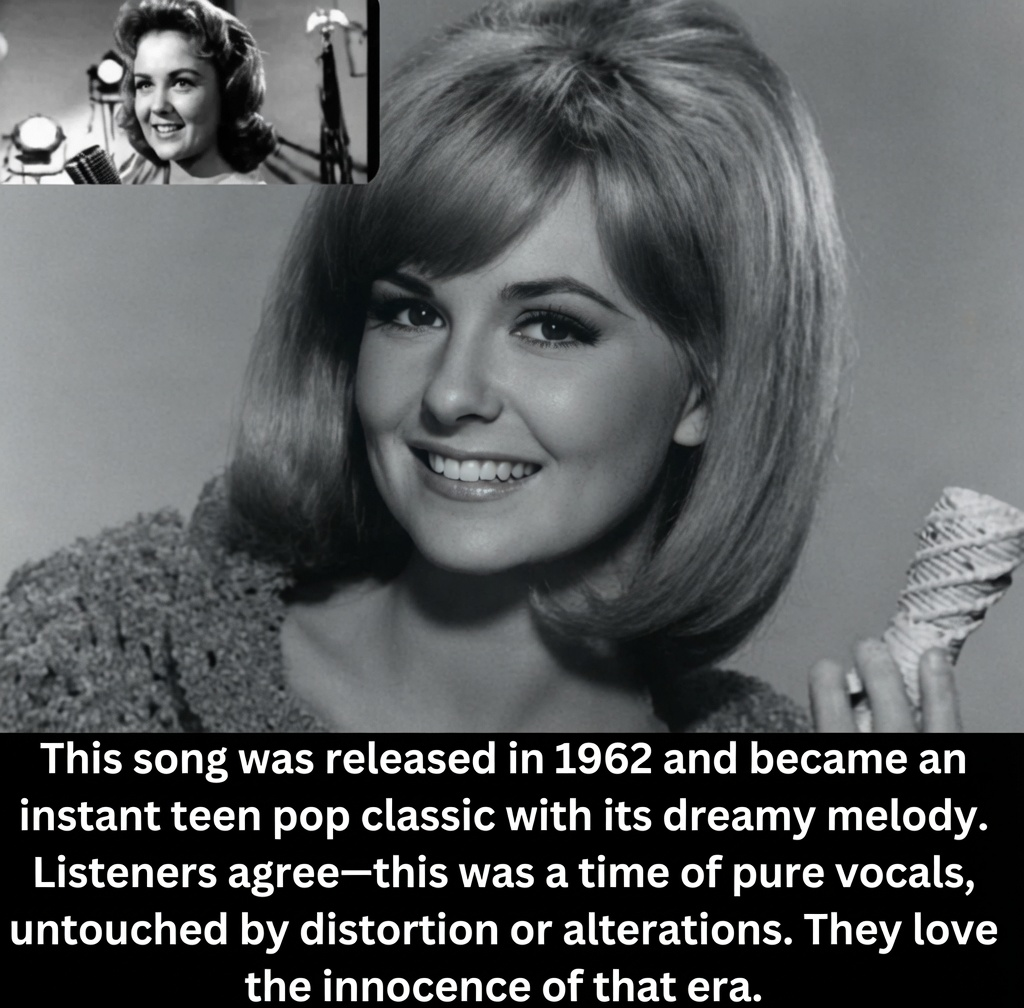
The sweet, youthful voice of Shelley Fabares brought “Johnny Angel” to life in 1962, creating one of the most beloved teen idol songs of the era. Her tender rendition captured the innocent longing and dreamy romance that defined much of early 1960s pop music. Even decades later, the song continues evoking strong nostalgia for those who grew up with it and introduces new generations to classic pop charm.
Fabares delivered the song with genuine emotion that resonated with teenage audiences across America. The lyrics perfectly captured the universal experience of crushing on someone who seems almost unattainable—the mysterious, idealized “Johnny Angel” who existed more in fantasy than reality. Her clear, sincere vocal performance made the song feel personal and relatable to millions of young listeners.
The cultural impact of a hit single
“Johnny Angel” reached number one on the Billboard Hot 100, cementing Shelley Fabares’ place in music history. The song’s success reflected the era’s fascination with teen idols and the growing power of music targeted specifically at young audiences. It joined other classic hits of the period in creating the soundtrack for a generation navigating the transition from childhood to adulthood.
The song’s enduring popularity demonstrates how certain recordings capture specific cultural moments while maintaining broader appeal across time. New listeners continue discovering “Johnny Angel” through oldies stations, movie soundtracks, and digital playlists, keeping its gentle charm alive for contemporary audiences.
Shelley Fabares’ versatile career
Beyond her music success, Fabares built an impressive acting career that spanned decades. She appeared in numerous television shows and films, with notable roles including Mary Stone on “The Donna Reed Show” and various film appearances. Her transition from teen singer to respected actress showcased her range and professionalism.
Her musical career, though relatively brief, left an indelible mark through hits like “Johnny Angel.” The song’s gentle melody and sincere delivery reflected her natural talent and ability to connect with audiences emotionally. Many fans remember her not just for the music but for the wholesome image she projected during an era of changing social norms.
Why the song still resonates
“Johnny Angel” captures something timeless about youthful romance—the mixture of hope, longing, and idealization that many experience during adolescence. The song’s simple structure and heartfelt lyrics allow listeners to project their own experiences onto the universal theme of crushing on someone special. Its gentle melody and Fabares’ sincere delivery create an emotional connection that transcends its original era.
Modern listeners often appreciate the song’s innocence and straightforward emotion in contrast to more complex contemporary music. It represents a gentler time in popular music when direct expression of feelings took center stage without irony or overproduction.
A lasting musical legacy
Shelley Fabares’ contribution to popular music through “Johnny Angel” and other hits remains part of America’s cultural heritage. The song continues receiving airplay and inspiring covers by new artists who recognize its timeless appeal. Its place in the soundtrack of many people’s youth ensures it will continue finding new audiences for years to come.
The tender rendition that captured hearts in 1962 still moves listeners today. Its message of innocent longing and the sweet delivery that made it special continue resonating across generations. In an era of constantly changing musical trends, certain songs manage to transcend their time and speak to universal human experiences.
For those who grew up with “Johnny Angel,” hearing it brings back memories of simpler times and youthful dreams. For new listeners, it offers a window into a different era of popular music and a reminder that some emotions remain constant across generations. Shelley Fabares’ sincere performance ensures the song’s place in the pantheon of classic American pop music.
The next time you hear “Johnny Angel,” take a moment to appreciate both the musical craftsmanship and the cultural moment it captured so perfectly. Some songs become more than just hits—they become touchstones that connect us to our past and to shared human experiences that transcend time. Shelley Fabares gave us one of those enduring gifts through her tender rendition of this beloved teen classic.
Most Popular!
-
 Mystery Deepens After Elderly Woman’s Disappearance as Investigators Search for Answers
-
Marriage Burnout – Recognizing the Signs and Finding Your Way Back
-
Jennifer Garner’s Heartwarming Actions Towards Wheelchair-Bound Homeless Man
-
If There Is a Will, There Is a Way – The Incredible Transformation of This Miserable Kitchen
-
If You Hit Your Head, Watch Out for These Symptoms That Can Show Up Even Days Later
-
Baggage Handler Reveals Shocking Reason You Should Never Tie a Ribbon on Your Luggage
-
Motorcycle Club Arrested After Protecting a Waitress When Police Refused Help
-
After Losing Her Parents and Being Raised by a Devoted Grandfather, a Young Woman’s World Shatters When a Mysterious Phone Call Changes Everything