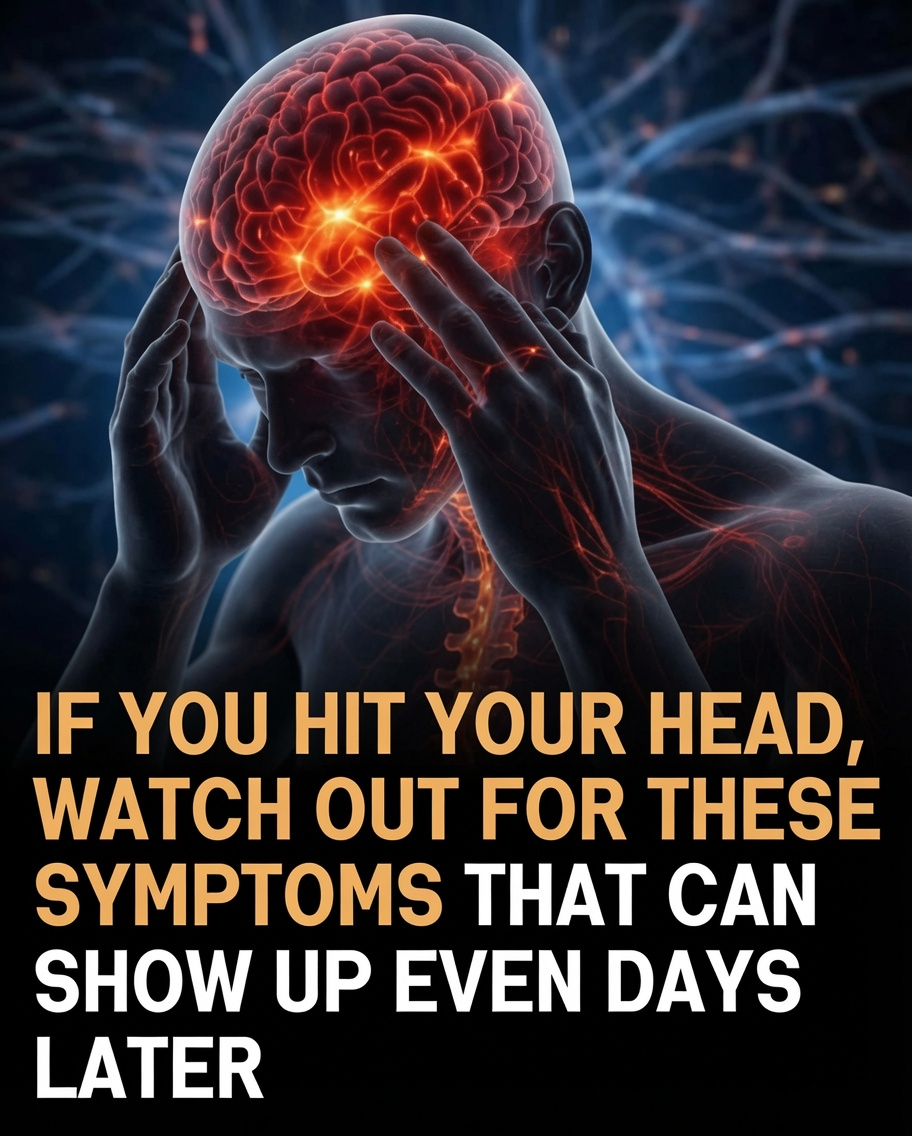
Head injuries can be deceptive. What seems like a minor bump might develop into something more serious hours or even days later. Understanding the warning signs that can appear after the initial incident helps you know when to seek medical attention and potentially prevent complications. Brain injuries don’t always show their full effects immediately, making vigilance essential after any head trauma.
Immediate symptoms requiring urgent care
Certain signs demand immediate medical evaluation after hitting your head:
- Loss of consciousness, even briefly
- Severe headache that worsens over time
- Repeated vomiting
- Seizures or convulsions
- Clear fluid draining from nose or ears
- Weakness, numbness, or paralysis
- Slurred speech or difficulty speaking
- Vision changes or unequal pupil size
These symptoms may indicate serious conditions like concussion, skull fracture, or brain bleeding that require prompt professional assessment.
Delayed symptoms that appear later
Some concerning signs might not manifest right away but can develop over hours or days:
- Increasing confusion or memory problems
- Persistent or worsening headache
- Dizziness or balance issues
- Sensitivity to light or noise
- Mood changes or unusual irritability
- Sleep disturbances
- Concentration difficulties
- Ringing in the ears
These delayed symptoms often relate to concussion or other traumatic brain injuries. Even mild cases can have significant impacts on daily functioning and require proper management.
Understanding different types of head injuries
Concussion: A mild traumatic brain injury that temporarily affects brain function. Symptoms can be subtle and evolve over time. Most people recover fully with rest, but some experience prolonged effects requiring medical intervention.
Contusion: Brain bruising that can cause more significant symptoms depending on location and severity. These injuries often need closer monitoring and sometimes surgical intervention.
Skull fracture: Breaks in the skull bone that may or may not be obvious externally. Certain types increase infection risk or brain injury complications.
Brain bleed: Bleeding within or around the brain that can develop gradually. This serious condition requires immediate medical attention to prevent permanent damage.
What to do after a head injury
Follow the RICE protocol initially (Rest, Ice, Compression, Elevation) while monitoring for concerning symptoms. Avoid alcohol, strenuous activity, and screen time during early recovery periods. Most importantly, don’t ignore new or worsening symptoms even if they appear days after the initial incident.
Seek emergency care if symptoms worsen or new concerning signs develop. When in doubt, professional medical evaluation provides the safest approach. Better to be checked and reassured than risk missing a serious complication.
Prevention and long-term awareness
Protecting your head through appropriate safety measures reduces injury risk significantly. Wear helmets during sports or cycling, use seatbelts, and childproof your home to prevent falls. Understanding potential delayed symptoms helps you respond appropriately when accidents do occur.
Recovery from head injuries varies significantly between individuals. Some people bounce back quickly while others experience lingering effects requiring extended rehabilitation. Patience and following medical advice optimize healing outcomes.
When to follow up with healthcare providers
Even after initial clearance, schedule follow-up appointments if symptoms persist or interfere with daily activities. Post-concussion syndrome can develop in some cases, creating ongoing challenges that benefit from specialized management. Don’t hesitate to advocate for yourself if recovery seems slower than expected.
Head injuries deserve serious attention regardless of how minor they initially appear. Understanding potential delayed symptoms empowers you to seek appropriate care when needed. Your brain’s health impacts every aspect of daily life—protecting it through prevention and prompt response to injuries represents essential self-care.
The next time you or someone you know experiences head trauma, remember that symptoms can evolve over time. Stay vigilant, follow medical advice, and prioritize proper recovery. Early intervention often makes the difference between minor inconvenience and more serious complications. Your future self will appreciate the attention you give to head injuries when they occur.
Take head bumps seriously. Monitor symptoms carefully and seek professional help when anything seems concerning. Better safe than sorry when it comes to protecting your brain health.
Most Popular!
-
 Mystery Deepens After Elderly Woman’s Disappearance as Investigators Search for Answers
-
Marriage Burnout – Recognizing the Signs and Finding Your Way Back
-
Jennifer Garner’s Heartwarming Actions Towards Wheelchair-Bound Homeless Man
-
If There Is a Will, There Is a Way – The Incredible Transformation of This Miserable Kitchen
-
Shelley Fabares Offered a Tender and Nostalgic Rendition of “Johnny Angel”
-
Baggage Handler Reveals Shocking Reason You Should Never Tie a Ribbon on Your Luggage
-
Motorcycle Club Arrested After Protecting a Waitress When Police Refused Help
-
After Losing Her Parents and Being Raised by a Devoted Grandfather, a Young Woman’s World Shatters When a Mysterious Phone Call Changes Everything