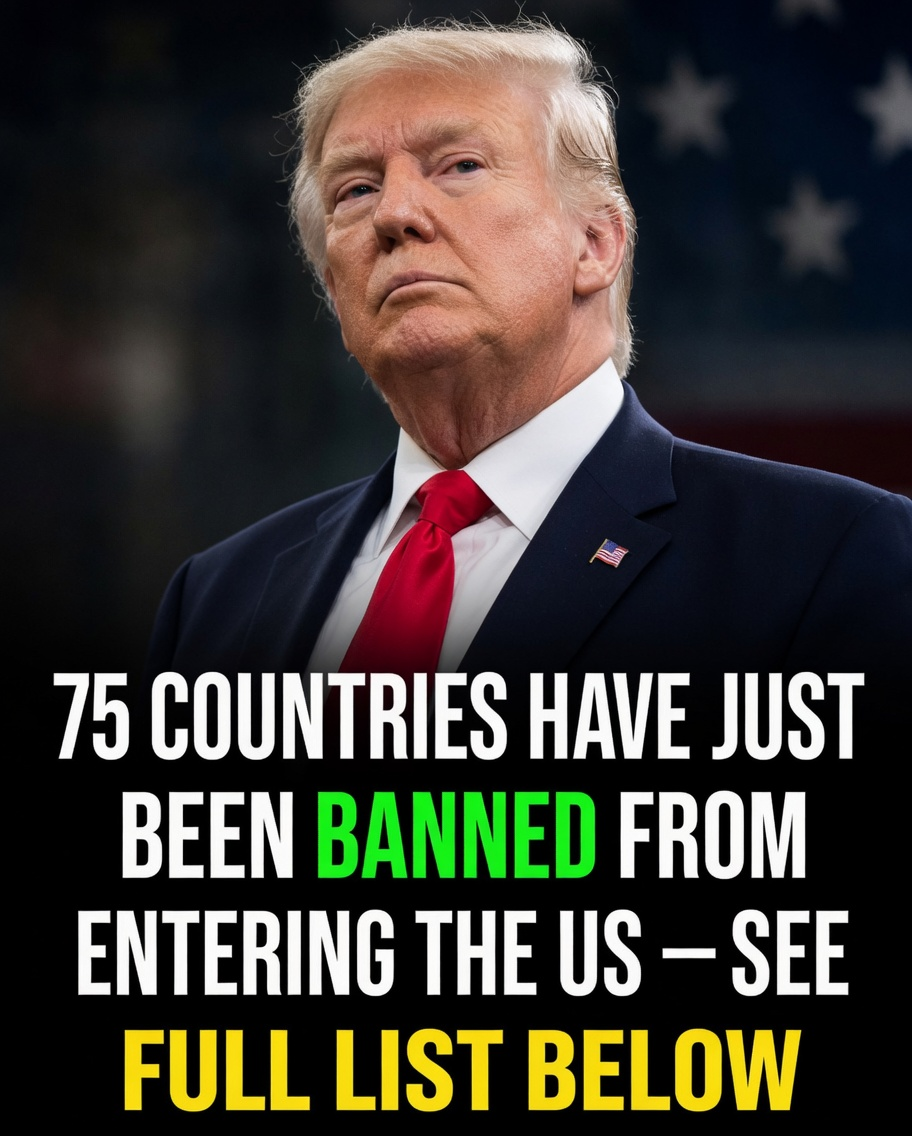
The United States has long been seen as a beacon of opportunity for people around the world seeking better lives, family reunification, or professional growth. But in early 2026, a sweeping policy change sent shockwaves through diplomatic circles and immigrant communities alike. The U.S. Department of State announced an indefinite pause on issuing immigrant visas to nationals of 75 specific countries, citing concerns over potential reliance on public benefits. This sudden freeze, which took effect on January 21, 2026, has sparked intense debate, legal challenges, and global outrage while raising critical questions about the future of legal immigration in America.
The policy targets immigrant visas — those that lead to green cards and permanent residency — rather than temporary tourist, student, or work visas in most cases. It stems from a broader administration focus on ensuring new arrivals can support themselves financially without becoming a burden on U.S. taxpayers. Officials described the move as a temporary measure during a full review of screening and vetting processes. However, for thousands of families already in the pipeline, the pause feels anything but temporary, halting long-awaited reunifications and career moves overnight.
Countries on the list span multiple continents and include nations like Nigeria, Brazil, Haiti, Iran, Pakistan, Russia, Egypt, Colombia, Bangladesh, and many smaller island nations in the Caribbean and Pacific. The common thread, according to the State Department, is higher statistical rates of public benefit usage among certain immigrant groups in recent years. Supporters argue this proactive step protects American social services and encourages self-sufficient immigration. Critics, including immigrant rights organizations and some lawmakers, call it discriminatory, overly broad, and damaging to America’s international image and economy.
Why This Visa Freeze Happened Now
The pause aligns with long-standing efforts to strengthen the “public charge” rule, which has existed in various forms for over a century. Under this principle, immigration officers can deny visas or green cards to applicants likely to depend heavily on government assistance like Medicaid, food stamps, or housing subsidies. The 2026 review intensified scrutiny for applicants from the listed countries, leading to the blanket suspension while new protocols are developed.
This isn’t the first time visa restrictions have made headlines. Previous travel bans and enhanced vetting targeted specific security risks, but the scale of this 75-country pause stands out for its focus on economic self-sufficiency rather than terrorism or criminal concerns. Proponents highlight data showing varying welfare usage patterns across immigrant populations and insist the policy promotes fairness for American workers and taxpayers. Opponents counter that it punishes entire nationalities based on averages instead of individual circumstances, ignoring factors like education, job offers, or family sponsorship that already demonstrate self-reliance.
Immediate Impact on Families and Employers
For U.S. citizens and lawful permanent residents with relatives abroad, the freeze has created painful separations. Imagine waiting years for approval only to learn the final visa issuance is now on hold indefinitely. Fiancés, spouses, parents, and children face extended uncertainty. Employers sponsoring skilled workers from affected countries report stalled hiring plans, especially in healthcare, technology, and agriculture sectors where talent shortages already exist.
Business groups have expressed concern about disruptions to global talent pipelines. Universities worry about long-term effects on international enrollment and research collaboration. On the other side, advocates for stricter immigration controls celebrate the policy as a necessary correction, arguing that unchecked inflows strain housing, schools, and healthcare systems in many communities.
Legal challenges have already begun. Multiple lawsuits from civil rights organizations and affected families claim the blanket suspension exceeds executive authority and violates equal protection principles. Courts will likely weigh in on whether nationality-based pauses for economic reasons are permissible under existing immigration law.
Global Reactions and Diplomatic Ripples
The announcement triggered swift responses from affected nations. Some governments issued formal protests, calling the move unfair and counterproductive to bilateral relations. Others quietly began exploring alternative pathways for their citizens, such as enhanced temporary work programs or investment-based visas in other countries. International media coverage has been mixed, with some outlets framing it as protectionism and others as responsible governance.
Travel and tourism from these countries may see indirect effects, even though non-immigrant visas are largely unaffected. Perceptions of welcome matter, and stories of family separations can influence decisions about visiting the U.S. at all. Meanwhile, diplomatic efforts continue behind the scenes as embassies work to clarify exceptions and timelines for resolution.
Who Is Most Affected and What Are the Exceptions?
The list includes a diverse mix:
- Large nations with significant diaspora communities (Nigeria, Brazil, Pakistan)
- Countries facing economic or political challenges (Haiti, Venezuela-influenced entries, Sudan)
- Smaller states with historical migration ties (Jamaica, Dominican Republic neighbors, Pacific islands)
Dual nationals may have options if they hold citizenship from a non-listed country. Certain humanitarian cases, like immediate relatives in dire situations, might receive case-by-case consideration, though processing remains frozen for most. Athletes participating in major events and some existing visa holders also have limited carve-outs.
For those already in the U.S. on temporary visas, the pause primarily blocks the path to permanent residency rather than forcing departure. However, it creates limbo for those planning long-term futures here.
Practical Advice for Those Impacted
If you or your loved ones are from an affected country and have pending immigrant visa applications:
- Monitor official State Department updates closely.
- Consult experienced immigration attorneys for case-specific guidance.
- Explore alternative strategies like employer-sponsored temporary visas that might convert later.
- Gather strong evidence of financial independence, job offers, or assets to strengthen future applications once the pause lifts.
- Consider health insurance and financial planning to demonstrate self-sufficiency.
U.S. citizens sponsoring family should document relationships thoroughly and prepare for potential delays that could stretch into years.
Broader Implications for U.S. Immigration Policy
This freeze reflects a philosophical shift toward merit-based and economically sustainable immigration. It raises bigger questions: How should America balance compassion, economic needs, and national resources? Can broad nationality categories ever fairly assess individual risk? What role should Congress play in modernizing the outdated immigration system?
Economists note that immigrants contribute significantly through taxes, entrepreneurship, and labor. Studies show varied outcomes by origin country, education level, and entry pathway. The challenge lies in designing policies that welcome high-contribution arrivals while maintaining safeguards.
Public opinion remains divided. Polls indicate strong support for controlling illegal immigration and ensuring legal entrants are self-sufficient, but many Americans oppose measures that separate families or appear to single out entire regions.
Looking Ahead: When Might This End?
The State Department has not provided a firm timeline for lifting the pause, saying it depends on completing the policy review and implementing stronger screening tools. Optimists hope targeted reforms could resolve it within months. Pessimists warn it could drag on amid legal battles and political priorities.
In the meantime, affected individuals and families face difficult choices — delay dreams, explore other countries, or fight through legal channels. For the United States, the episode tests its ability to remain attractive to global talent while addressing domestic concerns about sustainability.
This visa freeze is more than bureaucracy; it touches human lives, economic futures, and America’s self-image as a nation of immigrants. As debates continue in courts, Congress, and living rooms worldwide, one thing is clear: immigration policy will remain a defining issue for years to come. Staying informed, prepared, and engaged is essential for anyone navigating these turbulent waters.
The coming months will reveal whether this pause leads to smarter, more targeted systems or creates lasting barriers that reshape migration patterns for a generation.
Most Popular!
-
 THE SILENCE SURROUNDING RFK JR.: WHAT IS BEING HIDDEN BEHIND CLOSED DOORS?
-
THE HELICOPTER IN THE BACKYARD: WHY MY PARENTS DISMISSED MY ORDINARY HUSBAND UNTIL HE SAVED MY LIFE DURING A TERRIFYING LABOR EMERGENCY
-
A DEADLY TREND: THE SILENT KILLER LURKING IN A TEEN’S PURSUIT OF BEAUTY
-
A DEADLY TREND: THE SILENT KILLER LURKING IN A TEEN’S PURSUIT OF BEAUTY
-
MY WIFE SOLD MY PRICELESS INHERITANCE BEHIND MY BACK—THEN THE BUYER CALLED IN ABSOLUTE TERROR!
-
THE FORTUNE I DIDN’T EXPECT: MY ELDERLY HUSBAND’S FINAL ACT OF REVENGE AGAINST HIS VULTURES
-
THE BILLIONAIRE IN THE TRAILER: TWO BOYS THOUGHT THEY WERE HELPING A DESTITUTE OLD MAN, BUT THE SECRET IN HIS FINAL WILL SHOCKED EVERYONE
-
THE INHERITANCE TRAP: MY SISTER STOLE THE PENTHOUSE, BUT I STOLE THE EMPIRE