A cluster of severe hantavirus cases aboard a cruise ship in the South Atlantic has captured international attention in early May 2026. The World Health Organization reported seven cases — including two laboratory-confirmed infections and three deaths — among passengers and crew on a vessel that departed from Ushuaia, Argentina, and visited remote, ecologically sensitive destinations. This incident highlights the hidden risks associated with adventure travel and eco-tourism in rodent-populated wilderness areas, even on what many consider safe, high-end voyages.
The affected ship, carrying 88 passengers and 59 crew from 23 nationalities, followed an itinerary that included stops in mainland Antarctica, South Georgia, Nightingale Island, Tristan da Cunha, Saint Helena, and Ascension Island. Symptoms began appearing as early as April 6, ranging from fever and gastrointestinal issues to rapid progression into pneumonia, acute respiratory distress syndrome, and shock. By May 4, the vessel was moored off Cabo Verde while international health authorities coordinated a response involving medical evacuations, testing, and contact tracing.
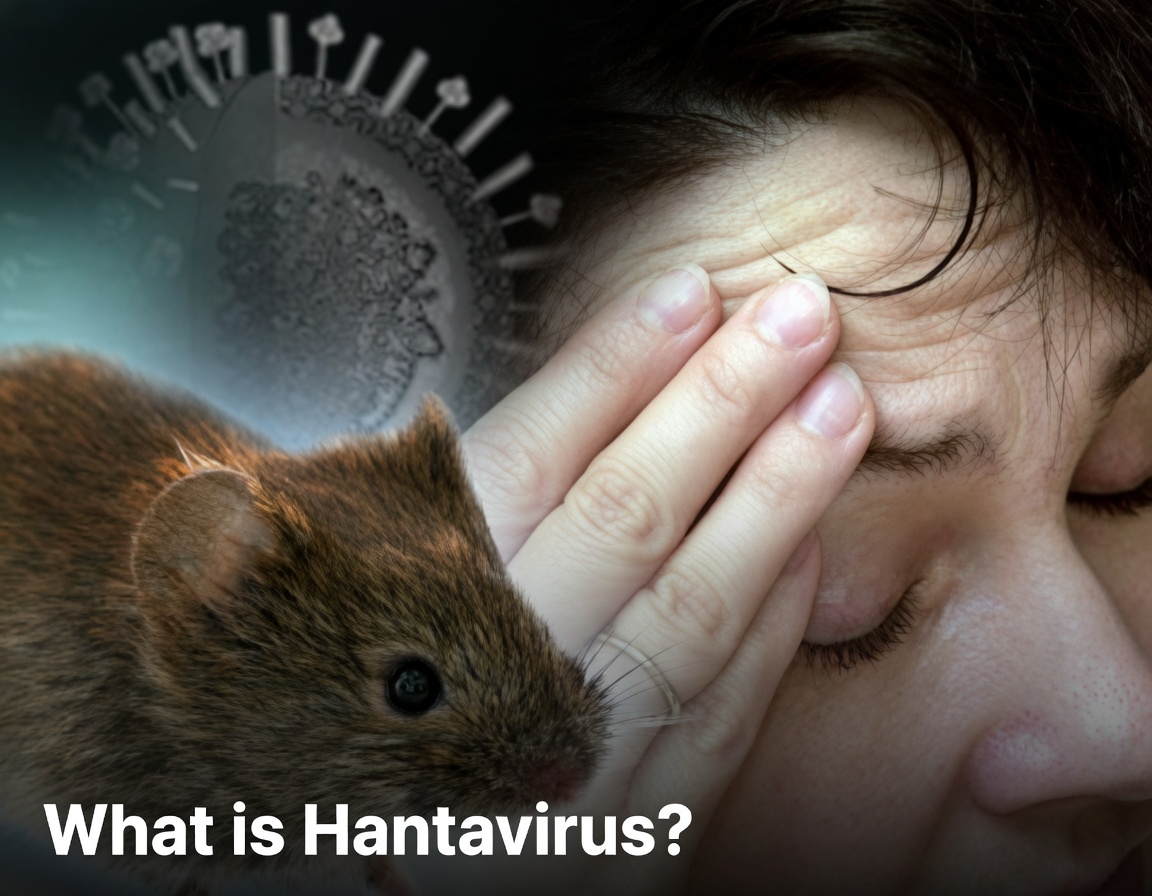
Hantavirus infections are zoonotic diseases primarily transmitted through contact with the urine, droppings, or saliva of infected rodents. Humans typically become exposed when disturbing contaminated dust in enclosed spaces or during outdoor activities in rural or wilderness settings. While human-to-human transmission is rare and mostly linked to specific strains like Andes virus in South America, this cruise ship cluster raises important questions about potential onboard spread and exposure risks during shore excursions.
Understanding Hantavirus Pulmonary Syndrome
Hantavirus pulmonary syndrome (HPS), also known as hantavirus cardiopulmonary syndrome, starts with flu-like symptoms such as fever, headache, muscle aches, and digestive upset. Within days, it can escalate dramatically to severe breathing difficulties and low blood pressure. The disease has a high case fatality rate — up to 50% in the Americas — making early recognition and intensive care critical for survival. There is no specific antiviral treatment or vaccine available, so management focuses on supportive care, including oxygen therapy, fluid balance, and advanced interventions like mechanical ventilation or ECMO in severe cases.
This outbreak appears connected to the ship’s route through rodent habitats. Passengers may have encountered infected rodents or contaminated environments either before boarding in South America or during landings in remote islands. Investigations are ongoing to pinpoint the exact source, but the incident serves as a stark reminder that even pristine wilderness areas can harbor invisible health threats.
Why This Cruise Ship Incident Matters for Global Travelers
Cruise tourism has rebounded strongly after previous health challenges, with many travelers seeking unique experiences in polar and remote regions. However, this event underscores vulnerabilities in confined environments like ships, where close quarters can facilitate transmission if a contagious pathogen is introduced. Although hantavirus is not easily spread person-to-person in most cases, the confirmed infections and deaths have prompted enhanced sanitation measures, cabin isolation recommendations, and symptom monitoring for up to 45 days.
Health authorities from multiple countries, including the UK, South Africa, the Netherlands, and Cabo Verde, are collaborating with WHO to manage the situation. This includes sharing passenger manifests, supporting laboratory confirmation at specialized facilities, and preparing for potential further medical evacuations. The low global risk assessment by WHO reflects the disease’s limited transmissibility, but it also emphasizes the need for vigilance among travelers returning from similar itineraries.
Risk Factors and Prevention Strategies for Adventurous Travelers
Anyone planning trips to rural, forested, or rodent-prone areas should take specific precautions. Avoid sweeping or vacuuming areas that might have rodent droppings, as this can aerosolize particles. Instead, use wet cleaning methods and wear masks and gloves when cleaning potentially contaminated spaces. Seal food properly, maintain good ventilation, and minimize direct contact with wild animals during excursions.
For cruise passengers, choosing operators with strong health protocols is essential. Reputable lines conduct thorough sanitation, monitor passenger health, and follow international maritime health guidelines. If you develop fever, fatigue, or breathing issues after travel in endemic regions, seek medical care immediately and inform providers about your travel history. Rapid diagnosis through PCR testing or serology can make a life-saving difference.
Broader Context: Hantavirus Trends Worldwide
Hantavirus infections remain relatively uncommon but occur regularly in certain hotspots. In the Americas, hundreds of cases are reported annually, with notable activity in South America. Europe sees lower rates, while parts of Asia record thousands of related hemorrhagic fever cases each year. Environmental changes, seasonal rodent population booms, and increased human encroachment into natural habitats can influence outbreak patterns.
This cruise ship cluster is unusual because it involves an international group in a mobile setting rather than typical rural exposures. It demonstrates how global connectivity can quickly turn a localized zoonotic event into a multi-country concern requiring coordinated response. Public health experts stress that while the immediate risk remains low, lessons from this incident could improve preparedness for future travel-related outbreaks.
Practical Tips for Staying Safe During Eco-Tourism and Cruises
- Research Destinations Thoroughly: Check for any known hantavirus activity in the regions you’ll visit.
- Pack Smart: Include N95 masks, gloves, hand sanitizer, and basic first-aid supplies.
- Follow Onboard Guidance: Adhere to physical distancing and hygiene recommendations during any suspected health events.
- Monitor Your Health: Track symptoms for several weeks after return, especially respiratory or flu-like issues.
- Choose Responsible Operators: Select cruise companies that prioritize environmental and health standards.
- Stay Informed: Follow updates from WHO, CDC, or national health agencies before and during travel.
Communities and individuals in endemic areas can further reduce risks through rodent control programs and public education about safe cleaning practices.
The Role of International Cooperation in Managing Emerging Threats
This event showcases effective multi-national collaboration under the International Health Regulations framework. From Argentina sharing passenger data to South African labs confirming cases and WHO facilitating support, the response highlights strengths in global health systems. Continued investment in surveillance, laboratory capacity, and rapid information sharing will be crucial as travel patterns evolve and climate factors potentially expand rodent habitats.
For the cruise industry, this may prompt reviews of health screening, excursion protocols, and emergency response plans for remote voyages. Travelers benefit from greater transparency and preparedness measures that balance adventure with safety.
As investigations continue and the remaining suspected cases receive care, this hantavirus cluster serves as an important teachable moment. It reminds us that nature holds both beauty and potential hazards, and that informed, cautious travel remains the best defense against rare but serious diseases.
By understanding risks like hantavirus, supporting strong public health infrastructure, and practicing simple preventive habits, we can continue to explore the world responsibly while protecting our health and the well-being of fellow travelers.
Most Popular!
-
 THE SILENCE SURROUNDING RFK JR.: WHAT IS BEING HIDDEN BEHIND CLOSED DOORS?
-
THE HELICOPTER IN THE BACKYARD: WHY MY PARENTS DISMISSED MY ORDINARY HUSBAND UNTIL HE SAVED MY LIFE DURING A TERRIFYING LABOR EMERGENCY
-
A DEADLY TREND: THE SILENT KILLER LURKING IN A TEEN’S PURSUIT OF BEAUTY
-
A DEADLY TREND: THE SILENT KILLER LURKING IN A TEEN’S PURSUIT OF BEAUTY
-
MY WIFE SOLD MY PRICELESS INHERITANCE BEHIND MY BACK—THEN THE BUYER CALLED IN ABSOLUTE TERROR!
-
THE FORTUNE I DIDN’T EXPECT: MY ELDERLY HUSBAND’S FINAL ACT OF REVENGE AGAINST HIS VULTURES
-
THE BILLIONAIRE IN THE TRAILER: TWO BOYS THOUGHT THEY WERE HELPING A DESTITUTE OLD MAN, BUT THE SECRET IN HIS FINAL WILL SHOCKED EVERYONE
-
THE INHERITANCE TRAP: MY SISTER STOLE THE PENTHOUSE, BUT I STOLE THE EMPIRE