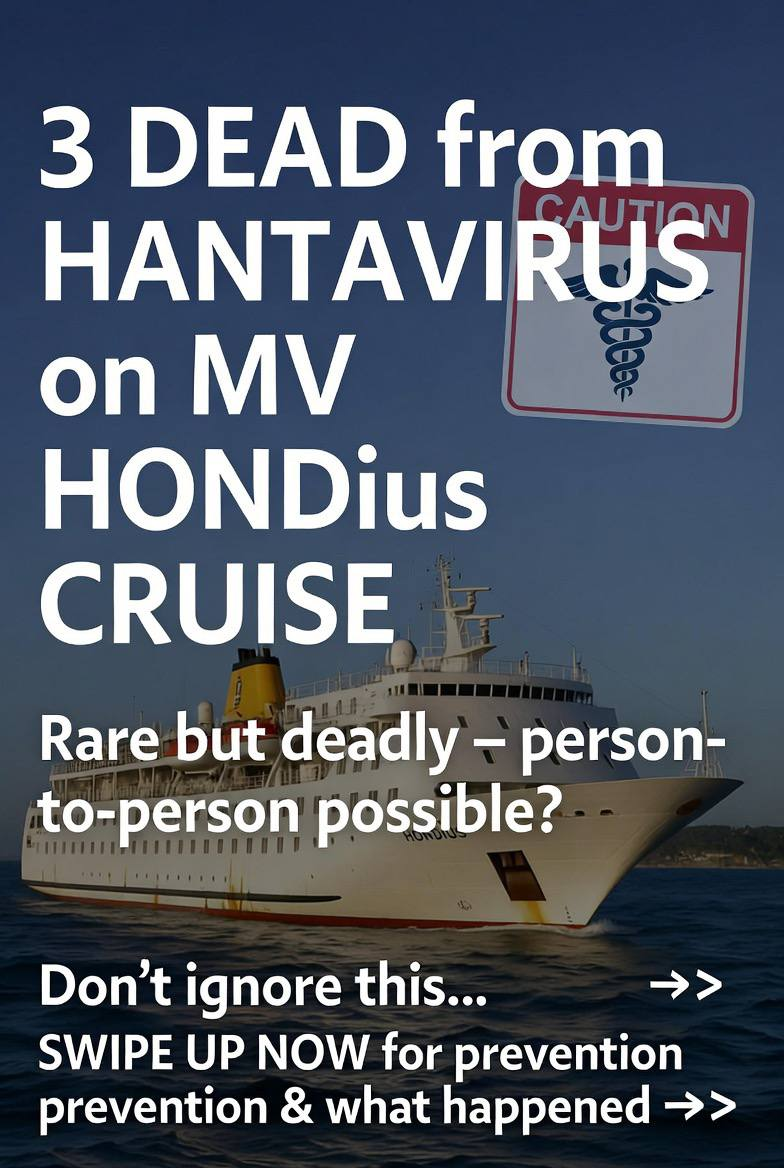
A luxury expedition cruise ship carrying nearly 150 passengers and crew members has become the center of an international health emergency after a deadly hantavirus outbreak left three people dead and several others seriously ill. The Dutch-flagged MV Hondius remains anchored off the coast of Cabo Verde in the Atlantic Ocean as authorities from multiple countries work to manage the situation and determine how the virus spread in such a confined environment. This incident has sent shockwaves through the travel industry and raised urgent questions about safety protocols for remote and wilderness-focused voyages.
The ship departed from Ushuaia, Argentina, in early April 2026 for an ambitious itinerary that included Antarctic exploration and stops at remote South Atlantic islands known for their pristine but rugged environments. With 88 passengers and 59 crew from 23 different nationalities on board, the vessel represented a typical mix of adventure-seeking travelers on a high-end polar expedition. Symptoms first appeared in mid-April, beginning with flu-like signs that rapidly progressed to severe respiratory distress in several cases. By early May, the World Health Organization confirmed involvement of hantavirus, a rodent-borne pathogen that is rarely seen in cruise ship settings.
What makes this outbreak particularly concerning is the possibility of limited human-to-human transmission. Health officials noted that a married Dutch couple who shared a cabin both succumbed to the illness, with laboratory confirmation in at least one case. While hantavirus typically spreads through contact with infected rodent droppings, urine, or saliva rather than casual person-to-person contact, close quarters on a ship appear to have played a role in amplifying the spread among intimate contacts. Passengers have described growing anxiety as they remain isolated in their cabins, unable to disembark while testing and contact tracing continue.
Hantavirus pulmonary syndrome, the severe form associated with this outbreak, starts with fever, headaches, muscle aches, and gastrointestinal problems before quickly advancing to breathing difficulties, low blood pressure, and potentially fatal shock. The disease carries a high fatality rate in the Americas, sometimes reaching 40 to 50 percent even with intensive medical care. There is no specific antiviral treatment available, which means doctors must rely on supportive measures like oxygen therapy and mechanical ventilation to give patients the best chance of survival. The speed at which some victims deteriorated highlights why rapid recognition and response are so critical.
Investigators believe the initial exposure likely occurred either before boarding in South America or during shore excursions on islands with significant rodent populations. Many of these remote locations offer incredible wildlife viewing opportunities but also carry hidden biological risks that travelers rarely consider. The ship’s operator, Oceanwide Expeditions, has implemented strict isolation protocols, enhanced cleaning procedures, and physical distancing measures while international health teams coordinate evacuations for the most critically ill passengers. Spain has offered to accept the vessel in the Canary Islands for a full investigation and disinfection, but as of now the ship remains in limbo off Cabo Verde.
This event comes at a time when expedition cruising to polar and remote regions has surged in popularity. Travelers drawn to unique experiences in Antarctica and isolated islands often overlook the potential health hazards associated with wilderness environments. Rodent populations can boom under certain conditions, increasing the chance of human exposure when disturbing dust or cleaning areas that might be contaminated. The confined nature of ship life then creates secondary risks if the virus finds a way to spread among close contacts.
For the passengers and crew still on board, the psychological toll has been significant. People have reported feeling trapped and uncertain about when they will be allowed to return home. Families waiting anxiously on shore have expressed frustration over limited communication and the slow pace of official responses. This situation underscores the emotional challenges that can arise during extended health-related quarantines or travel disruptions, especially when lives have already been lost.
Travelers planning similar adventures should take several practical steps to protect themselves. Research destinations thoroughly for any known disease risks, particularly rodent-borne illnesses in rural or natural areas. Pack appropriate protective gear such as N95 masks and gloves for any activities that might involve cleaning or exploring enclosed spaces. Choose reputable operators with strong health and safety records, and pay close attention to all onboard hygiene and excursion guidelines. Most importantly, seek immediate medical attention if flu-like symptoms develop after visiting high-risk environments, and always disclose your full travel history to healthcare providers.
The broader implications for the cruise industry could be substantial. Operators of expedition-style cruises may need to review their shore excursion protocols, rodent control measures on vessels, and emergency medical response capabilities for remote itineraries. Insurance providers might adjust coverage terms for polar and wilderness travel, while regulators could introduce stricter pre-boarding health screenings or environmental risk assessments. At the same time, this outbreak serves as a reminder that nature’s beauty often comes with unseen dangers that require respect and preparation.
Public health experts emphasize that the overall risk to the general public remains very low. Hantavirus does not spread easily like respiratory viruses such as flu or COVID-19, and most cases stay linked to specific environmental exposures. However, the international coordination required to manage this situation demonstrates how quickly a localized health event can become a multi-country concern in our interconnected world. Authorities in South Africa, the United Kingdom, the Netherlands, and other nations have activated contact tracing for anyone who may have crossed paths with infected individuals during transit.
As the investigation continues, this hantavirus incident offers valuable lessons for both travelers and the travel industry. It highlights the importance of balancing the desire for extraordinary experiences with careful risk management. Remote destinations that feel untouched by modern civilization can still harbor ancient biological threats that humans must navigate thoughtfully. Enhanced surveillance, better passenger education, and improved international response frameworks will help ensure that future adventures remain safe as well as memorable.
In the coming weeks, officials will work to determine the precise source of the outbreak and implement measures to prevent similar events. For now, the focus remains on supporting those affected, providing care for the ill, and safely resolving the situation for everyone still stranded at sea. This rare but serious event reminds us that even in the era of advanced medicine and global travel, vigilance and respect for natural environments remain essential companions on any journey.
Most Popular!
-
 THE SILENCE SURROUNDING RFK JR.: WHAT IS BEING HIDDEN BEHIND CLOSED DOORS?
-
THE HELICOPTER IN THE BACKYARD: WHY MY PARENTS DISMISSED MY ORDINARY HUSBAND UNTIL HE SAVED MY LIFE DURING A TERRIFYING LABOR EMERGENCY
-
A DEADLY TREND: THE SILENT KILLER LURKING IN A TEEN’S PURSUIT OF BEAUTY
-
A DEADLY TREND: THE SILENT KILLER LURKING IN A TEEN’S PURSUIT OF BEAUTY
-
MY WIFE SOLD MY PRICELESS INHERITANCE BEHIND MY BACK—THEN THE BUYER CALLED IN ABSOLUTE TERROR!
-
THE FORTUNE I DIDN’T EXPECT: MY ELDERLY HUSBAND’S FINAL ACT OF REVENGE AGAINST HIS VULTURES
-
THE BILLIONAIRE IN THE TRAILER: TWO BOYS THOUGHT THEY WERE HELPING A DESTITUTE OLD MAN, BUT THE SECRET IN HIS FINAL WILL SHOCKED EVERYONE
-
THE INHERITANCE TRAP: MY SISTER STOLE THE PENTHOUSE, BUT I STOLE THE EMPIRE