Heading to the beach with your family or friends is one of summer’s greatest joys, but those colorful flags waving in the breeze aren’t just decoration—they’re critical safety signals that could save lives. Many beachgoers overlook them or misunderstand what they represent, leading to unnecessary risks in the water. Understanding beach flag meanings empowers you to make informed decisions, whether you’re a seasoned swimmer or enjoying a casual day with kids. This knowledge turns a potentially hazardous outing into a fun, worry-free experience by helping you read the ocean’s current mood before you even dip your toes in.
Beach warning flags were developed by organizations like the International Life Saving Federation and adopted widely across the United States and beyond to standardize communication about water conditions. What started as a way to reduce drowning incidents in the 1960s has evolved into a universal language spoken on shores from California to Florida and international destinations. These flags change throughout the day based on shifting tides, winds, and weather, so checking them upon arrival and periodically is crucial. Ignoring them can turn a relaxing swim into a dangerous situation involving strong currents or marine life encounters.
One of the most common sights is the green flag, which generally signals low hazard conditions with calm waters suitable for most swimmers. It’s an invitation to enjoy the ocean with relative peace of mind, though experts always remind us that no water is ever completely risk-free. Even under a green flag, subtle undertows or sudden changes can occur, so supervising children closely and staying aware of your surroundings remains important. This flag is particularly reassuring for families with young kids or those less confident in their swimming abilities, allowing everyone to splash around without heightened worry.
When you spot a yellow flag fluttering, it’s time to exercise extra caution as moderate hazards are present. This could mean choppier waves, developing rip currents, or conditions that might challenge weaker swimmers. Yellow doesn’t ban swimming entirely, but it encourages sticking closer to shore, swimming parallel to the beach rather than straight out, and keeping a close eye on lifeguards. Many incidents happen under yellow conditions because people underestimate the power of the ocean. Teaching your family basic rip current escape techniques—like swimming parallel to the shore until the pull weakens—can make all the difference during these moderate-risk periods.
Red flags indicate high hazard situations where swimming is strongly discouraged due to large waves, powerful currents, or other dangerous elements. At this point, even experienced swimmers should think twice before entering the water. Some beaches enforce fines for disregarding red flags, emphasizing how seriously authorities take these warnings. The presence of a single red flag serves as a clear message that conditions pose real risks to everyone, from casual waders to strong athletes. Opting for beach games, building sandcastles, or exploring nearby attractions instead can keep the day enjoyable without unnecessary danger.
Double red flags represent the most severe warning, meaning the water is closed to all public use. This level of alert often stems from extreme weather, heavy surf, shark activity, or contamination issues that make any water entry highly perilous. Authorities may patrol actively to prevent violations, and breaking the rules can lead to fines or even arrests in certain areas. When you see double reds, it’s best to respect the closure fully and redirect your plans—perhaps to a pool, indoor activity, or simply relaxing on the sand while watching the powerful ocean from a safe distance. This flag protects lives by removing temptation during truly unforgiving conditions.
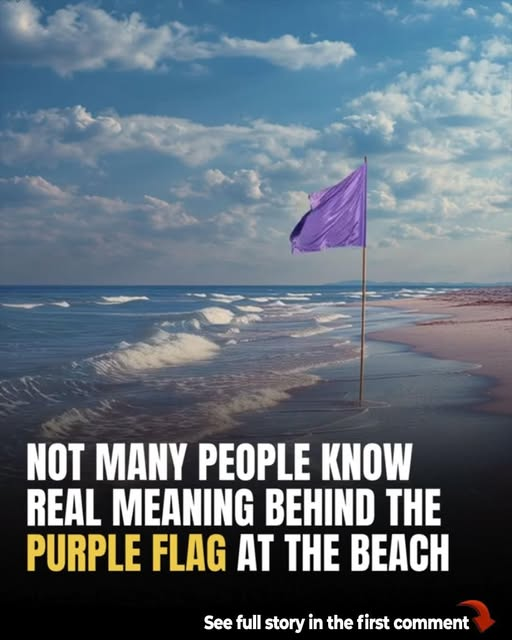
Purple flags add another layer of awareness by signaling the presence of dangerous marine life, such as jellyfish, stingrays, or sea lice. While not necessarily tied to wave strength, this color alerts swimmers to biological hazards that can cause painful stings or injuries. In regions like Florida or Australia, purple flags appear frequently during certain seasons. Wearing protective water shoes, avoiding murky areas, and knowing basic first aid for stings becomes essential. Combining this with other flag colors gives a fuller picture of the beach environment on any given day.
Beyond the primary colors, some locations use additional combinations like a red-over-yellow flag to mark supervised swimming zones or black-and-white quartered flags for areas designated for surfing and watercraft only. These specialized signals help organize the beach and prevent conflicts between different user groups. Familiarizing yourself with local variations before your trip—perhaps by checking the beach’s official website or app—ensures you’re fully prepared. Different countries and even individual states may have slight tweaks to the system, so a quick refresher is always smart.
Real-life stories highlight why mastering beach flag meanings matters. Families have shared accounts of near-misses where ignoring a yellow flag led to exhausting battles against rip currents, or times when heeding double reds avoided potential tragedies during storms. Rip currents, in particular, claim lives annually despite being relatively easy to escape with proper knowledge. By respecting the flags, you not only protect yourself but contribute to a safer environment for everyone, including lifeguards who put themselves at risk during rescues.
Practical tips can elevate your beach safety game significantly. Always swim near lifeguard stations where help is readily available, never swim alone, and teach kids to recognize and respond to flags from a young age. Packing a waterproof watch or phone case to monitor time and conditions helps, as does downloading beach safety apps that provide real-time updates. Hydration, sunscreen, and shade are non-negotiable companions to flag awareness. If you’re visiting a new destination, arriving early allows you to observe patterns and talk to lifeguards about current conditions.
Ultimately, beach flags represent more than warnings—they embody respect for the ocean’s unpredictable power and the collective effort to keep beachgoers safe. Taking a few moments to understand these signals transforms you from a passive visitor into an informed participant who maximizes enjoyment while minimizing risks. Next time you head to the coast, make flag checking your first priority. Your future self—and your loved ones—will thank you for turning potential hazards into informed, memorable adventures by the sea. With this knowledge in hand, every beach day can be both thrilling and secure, fostering a deeper appreciation for our beautiful coastlines.
Most Popular!
-
 That Awkward Moment When Your Dog Won’t Stop Sniffing Your Private Areas—Here’s the Real Reason
-
That Embarrassing Intimate Odor Might Be Your Body’s Urgent Health Alarm—Don’t Ignore It
-
The Sweet Revenge of Swiping Right on Your High School Bully Years Later
-
RFK Jr.’s Bold Tylenol-Autism Claims Ignite Fierce Debate—What Science and Experts Really Say
-
Doctors Warn: That Innocent Bedtime Drink Could Be Quietly Damaging Your Heart
-
The Tragic Disappearance of Two Heroic Navy Pilots: What Really Happened to the Zappers Over Mount Rainier
-
The Heartbreaking Truth Behind a Mother’s Disappearance: One Man’s Journey Raising 10 Kids After Shocking Revelations
-
How Lack of Physical Intimacy Slowly Breaks a Woman’s Heart – Emotional Effects No One Talks About Enough