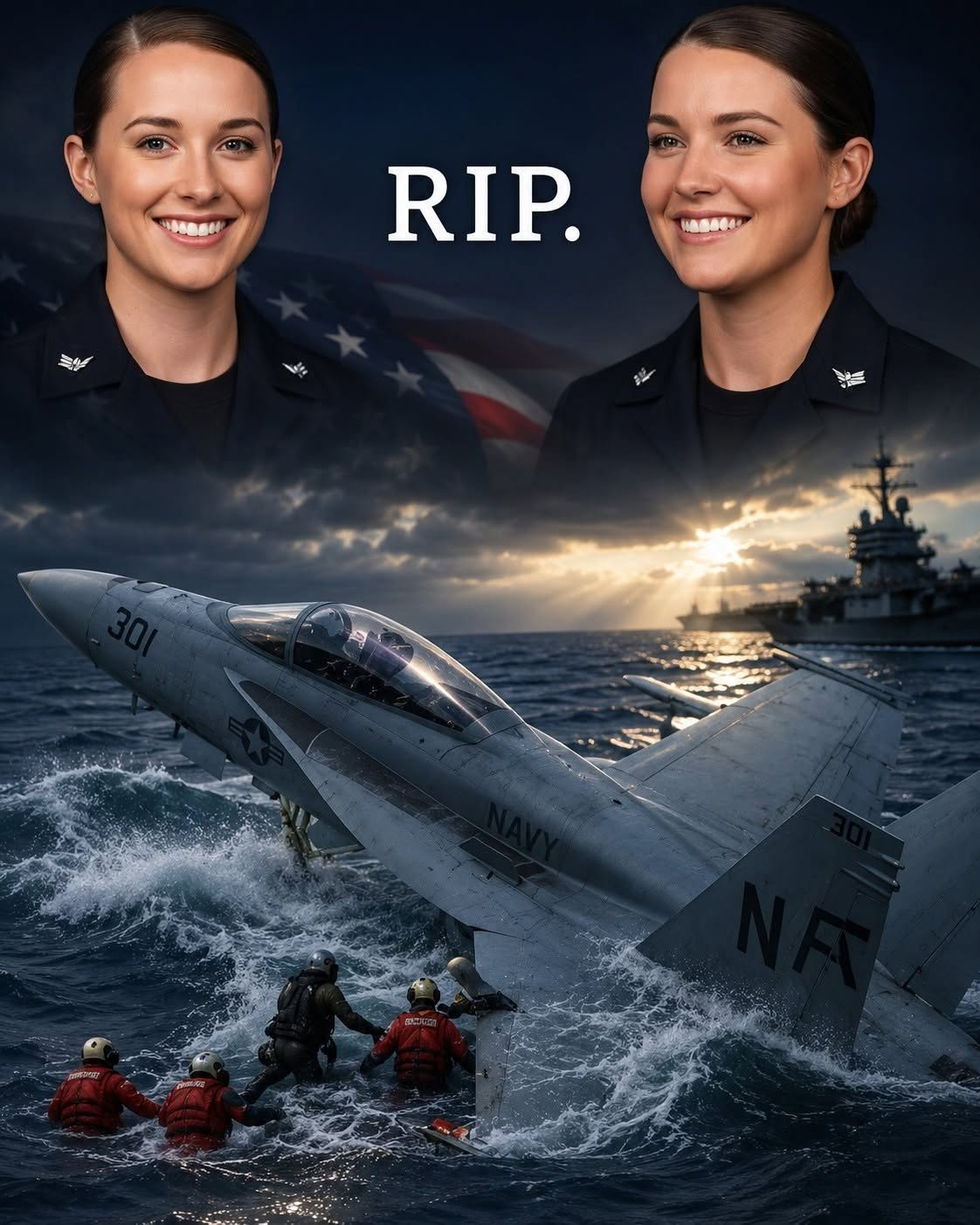
The vast skies above Mount Rainier have claimed the lives of countless aviators over the decades, but few losses have struck as deeply as the recent crash involving two exceptional women from the United States Navy. Lt. Cmdr. Lyndsay P. Evans and Lt. Serena N. Wileman, both talented pilots from Electronic Attack Squadron 130—known as the Zappers—vanished during what should have been a routine training flight. Their EA-18G Growler went down in rugged, forested terrain east of the mountain, leaving behind a nation mourning two rising stars who embodied courage, skill, and dedication. This heartbreaking incident reminds us of the constant dangers faced by those who defend our freedom from the air, and it raises important questions about the risks inherent in military aviation even during peacetime operations.
The story began like so many training missions: two highly trained professionals heading out to sharpen their abilities in one of the Navy’s most advanced electronic warfare aircraft. The Growler is a sophisticated platform designed to jam enemy radar and communications, playing a critical role in modern combat scenarios. For Evans and Wileman, assigned to the legendary Zappers squadron with its proud history of excellence, this flight represented another step in their commitment to service. Yet somewhere over the challenging landscape near Mount Rainier—known for its unpredictable weather, steep slopes, and dense wilderness—the mission ended in tragedy. The aircraft disappeared from radar, prompting an urgent search that would ultimately confirm the worst fears of their families and comrades.
Rescue teams faced immense obstacles from the start. The crash site sat at around 6,000 feet in steep, heavily wooded mountainside terrain that is notoriously difficult to access. Helicopters, ground crews, and specialized military search personnel worked tirelessly through challenging conditions, battling time, elevation, and thick forest cover. For hours, hope lingered that the pilots might have survived, but when wreckage was finally reached, it became clear both had perished on impact. The operation shifted from rescue to recovery, bringing a somber close to the immediate efforts while opening a new chapter of investigation and remembrance. Such remote locations often complicate these tragedies, delaying answers and prolonging the pain for loved ones waiting for closure.
Lt. Cmdr. Lyndsay P. Evans stood out as a true pioneer in naval aviation. At 31 years old and originally from California, she had already made history in ways that inspired countless others. Many remember her from the unforgettable all-female military flyover during Super Bowl LVII, a landmark moment celebrating 50 years of women serving as Navy aviators. That public display of excellence showcased not only her piloting skills but also her role in breaking barriers for future generations of female service members. Evans represented the best of what dedication and talent can achieve in a traditionally male-dominated field, earning respect from peers and admiration from those following her career.
Her wingman on that fateful flight, Lt. Serena N. Wileman, also 31 and from California, brought her own impressive record to the cockpit. Having joined the Zappers in 2021, Wileman had quickly distinguished herself through exceptional performance. Her honors included the National Defense Service Medal and the Combat Action Ribbon, reflecting real-world operational experience and unwavering professionalism. Colleagues described her as calm under pressure, technically proficient, and deeply committed to the demanding mission of electronic attack warfare. Together, Evans and Wileman formed a formidable team whose loss leaves a significant void in their squadron and the broader naval aviation community.
The Zappers squadron itself carries a storied legacy within the Navy. As part of the electronic attack community, they train relentlessly to support combat missions by disrupting adversary systems and protecting friendly forces. Flying the EA-18G Growler requires mastery of complex systems, split-second decision-making, and the ability to operate in hostile environments. These women were not just participants in that tradition—they were helping shape its future. Their service highlights how far the military has come in integrating women into high-risk roles while underscoring that the dangers remain equal regardless of gender.
Military aviation has always carried inherent risks, even in training. Mechanical issues, human factors, weather phenomena, and the unforgiving nature of mountainous terrain can combine in unpredictable ways. Investigations into this crash are ongoing, with experts analyzing flight data, weather conditions at the time, and any potential mechanical factors. The Navy’s thorough review process aims to uncover exactly what happened so that lessons can prevent future tragedies. Until those findings are released, speculation swirls, but the focus rightly remains on honoring the pilots’ sacrifice and supporting their families.
The emotional toll on the families, friends, and fellow service members cannot be overstated. Losing two young, vibrant aviators in the prime of their careers creates ripples of grief that extend far beyond the immediate circle. The tight-knit Growler community feels this loss acutely, as does the entire Navy family. Support systems are now mobilized to help loved ones navigate the difficult days ahead, from memorial services to long-term counseling. In moments like these, the military often comes together with remarkable strength, rallying around those left behind.
This tragedy also brings renewed attention to the contributions of women in combat aviation. From the early trailblazers who fought for acceptance to today’s accomplished officers like Evans and Wileman, progress has been hard-won. Their stories serve as powerful examples for young women considering military careers, showing both the incredible opportunities and the solemn responsibilities involved. Public recognition, such as Evans’ Super Bowl appearance, helps normalize and celebrate these achievements, encouraging broader societal appreciation for female service members.
Beyond the headlines, these events prompt reflection on the human cost of national defense. Pilots train at the edge of performance precisely because real-world missions demand perfection under pressure. The Zappers and similar units prepare for scenarios where electronic warfare can mean the difference between mission success and failure. When tragedy strikes during preparation, it serves as a sobering reminder that readiness comes with sacrifice. Communities across the country feel these losses, even if they never knew the individuals personally, because they represent our collective commitment to security.
In the wake of such incidents, conversations often turn to safety improvements. Advances in aircraft technology, better training protocols, enhanced weather monitoring, and improved ejection systems all play roles in reducing risks. The ongoing investigation will likely contribute valuable insights that benefit future aviators. While no system can eliminate every danger in high-performance flight, continuous learning from accidents remains a cornerstone of military aviation culture.
For those inspired by Evans and Wileman, their legacies live on through the standards they set and the barriers they helped dismantle. Memorial scholarships, named facilities, or simply sharing their stories can keep their impact alive. Young people dreaming of flight careers may find motivation in the courage these women displayed daily. Their service reminds us that heroism often looks like showing up for demanding training missions, pushing personal limits, and contributing to something larger than oneself.
The rugged beauty of Mount Rainier now holds another chapter in its long history of aviation stories. The mountain’s challenging environment has tested pilots for generations, and this latest loss adds to the respect aviators hold for such terrain. Search and recovery operations in these areas demand extraordinary effort from dedicated teams who put themselves at risk to bring answers home. Their work ensures families receive closure and that the fallen are honored with dignity.
As the investigation proceeds and the Navy mourns, the nation pauses to recognize the profound service of Lt. Cmdr. Lyndsay P. Evans and Lt. Serena N. Wileman. They answered a call that few dare to pursue, excelling in a field where excellence is the baseline and safety is never guaranteed. Their story is one of dedication, trailblazing achievement, and ultimate sacrifice. While the skies over Rainier claimed them too soon, their influence will continue guiding and inspiring those who follow in their footsteps.
Families, squadrons, and communities now face the long process of healing. Memorials will celebrate their lives, colleagues will share stories of their professionalism and spirit, and the Zappers will carry forward with heavier hearts but renewed resolve. In military tradition, the final salute honors not just the individual but the ideals they upheld. These two pilots embodied those ideals fully.
The disappearance into the clouds may remain mysterious until full details emerge, but one truth stands clear: Lyndsay Evans and Serena Wileman lived with purpose and died in service to their country. Their bravery deserves our deepest gratitude and respect. As we reflect on their legacies, let us also appreciate the many men and women who continue flying dangerous missions every day, often out of the spotlight, ensuring our freedoms remain protected. Their stories, like this one, deserve to be remembered and shared so that future generations understand the true cost of the freedom we enjoy.
Most Popular!
-
 That Awkward Moment When Your Dog Won’t Stop Sniffing Your Private Areas—Here’s the Real Reason
-
That Embarrassing Intimate Odor Might Be Your Body’s Urgent Health Alarm—Don’t Ignore It
-
The Sweet Revenge of Swiping Right on Your High School Bully Years Later
-
RFK Jr.’s Bold Tylenol-Autism Claims Ignite Fierce Debate—What Science and Experts Really Say
-
Doctors Warn: That Innocent Bedtime Drink Could Be Quietly Damaging Your Heart
-
The Heartbreaking Truth Behind a Mother’s Disappearance: One Man’s Journey Raising 10 Kids After Shocking Revelations
-
How Lack of Physical Intimacy Slowly Breaks a Woman’s Heart – Emotional Effects No One Talks About Enough
-
32 Sneaky Signs Your Body Is Screaming for More Magnesium – And How to Fix It Naturally