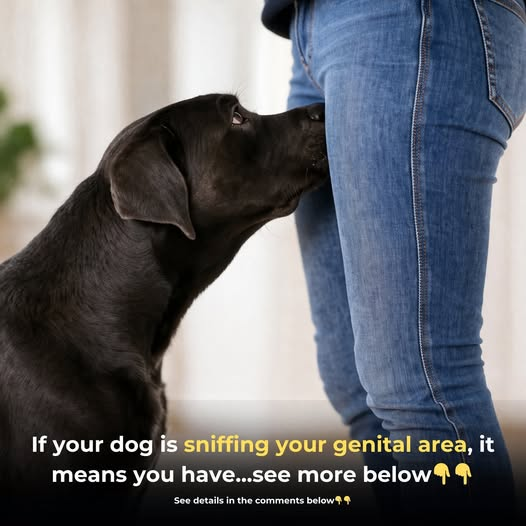
Every dog owner has lived through that cringeworthy scene. You’re hosting friends, catching up with family, or even on a first date, and suddenly your furry best friend makes a beeline straight for the most intimate parts of a person’s body. The room goes quiet, cheeks flush, and you’re left wondering if your dog is plotting your social downfall. But before you label it as bad manners or dominance gone wrong, it’s time to dive into the fascinating science behind this common canine behavior. Understanding it can transform embarrassment into appreciation for just how incredible your dog’s senses truly are.
Dogs experience the world through an olfactory superpower that dwarfs our own. While humans rely heavily on vision and sound, a dog’s nose contains up to 300 million scent receptors compared to our mere 5 million. This makes their sense of smell roughly 10,000 to 100,000 times more powerful. When they zero in on the groin or underarm area, they’re not being rude—they’re gathering a complete personal dossier. These regions are packed with apocrine sweat glands that release pheromones and other chemical signals carrying details about age, sex, emotional state, diet, and even reproductive status. It’s like reading an invisible biography written in scent molecules.
This behavior stems directly from how dogs naturally greet each other in the canine world. Mutual sniffing of rear ends and genital areas is their standard handshake, providing instant social information and helping establish pack dynamics. When they apply the same ritual to humans, they’re simply treating us as part of their extended family. The height of an average person’s private area perfectly aligns with a medium or large dog’s nose level, making it the most convenient and information-rich spot during greetings. Smaller dogs might jump or circle to reach it, turning an instinct into an even more noticeable spectacle.
Beyond basic identification, dogs can detect incredibly subtle changes in our bodies that we might not notice ourselves. Hormonal shifts during pregnancy, ovulation, or stress alter scent profiles dramatically. Some dogs have even shown the ability to pick up on early signs of health issues, such as certain cancers, diabetes fluctuations, or infections, through these concentrated chemical cues. This isn’t mystical—it’s biology. Their extraordinary noses have been trained for medical detection work precisely because of this talent. That sudden intense interest in one person could occasionally be your dog acting as an unpaid health alert system.
Breed and personality play significant roles in how pronounced this habit becomes. Scent hounds like Beagles, Bloodhounds, or German Shepherds are wired to follow their noses with laser focus, while breeds like Bulldogs or Pugs might show less persistence. Individual dogs with high curiosity or those who were heavily socialized through scent-based play as puppies often lean into this behavior more. Environmental factors amplify it too—new visitors, crowded rooms, or exciting gatherings heighten a dog’s need to assess safety and familiarity through smell, making the sniffing more frequent and bold.
Many owners worry this indicates a dominance issue or lack of respect, but experts agree it’s rarely about power. It’s pure instinctual communication. Misinterpreting it as aggression can lead to unnecessary punishment, which damages the bond and confuses the dog since the drive is hardwired. Positive reinforcement training works far better. Teaching a solid “leave it,” “sit,” or “go to your place” command before guests arrive gives your dog an alternative focus. Rewarding calm behavior with treats or affection reinforces good habits without suppressing their natural curiosity entirely.
Practical management strategies can make a world of difference in social situations. Leashing your dog during initial introductions allows you to gently redirect them. Educating guests to stand tall, avoid eye contact initially, and offer a hand for sniffing (a less intimate greeting zone) helps set boundaries. Consistency across all family members prevents mixed signals. Some owners find success with calming supplements or more exercise before company arrives, channeling excess energy into appropriate outlets like puzzle toys or scent games that satisfy the dog’s investigative needs safely.
Diet and hygiene on both sides influence the intensity too. A dog’s own nutrition affects how appealing human scents become, while human sweat, perfumes, or hormonal fluctuations can draw more attention. Regular bathing with dog-safe products keeps your pet clean, but over-washing can disrupt their skin balance. For people, maintaining good personal hygiene reduces strong odors, though it won’t eliminate the natural pheromones dogs find informative. Understanding this balance prevents over-correction that might stress your pet.
This behavior also highlights the deep emotional connection between dogs and their humans. By sniffing intimately, they’re reinforcing familiarity and trust within the pack. It’s their version of checking in—“Are you still you? How are you feeling today?” In multi-dog households, you’ll see similar interactions as they constantly update their social database. Recognizing it as affection rather than annoyance shifts the entire dynamic from frustration to empathy.
Training classes focused on impulse control and desensitization offer structured ways to address excessive sniffing. Professional trainers emphasize that suppressing instincts completely isn’t realistic or fair, but redirecting them is. Incorporating daily scent work activities—like hiding treats or playing nose games—gives dogs an outlet for their olfactory drive, reducing the urge to seek it inappropriately elsewhere. Over time, most dogs learn when and where certain behaviors are acceptable.
For those dealing with particularly persistent sniffers, consulting a veterinarian rules out any medical reasons behind increased interest, such as skin conditions or hormonal imbalances in the dog. In rare cases, sudden changes in behavior warrant checking your own health too, given their detection abilities. Building a routine of clear boundaries, ample exercise, mental stimulation, and positive reinforcement creates harmony where everyone feels respected.
Ultimately, living with a dog means embracing their unique way of perceiving the world. That embarrassing sniff is rarely about disrespect—it’s curiosity, communication, and care rolled into one powerful instinct. By learning to manage it gracefully while honoring their sensory superpower, you strengthen your relationship and reduce awkward moments. Next time it happens, take a breath, redirect gently, and remember your dog is just trying to understand and connect with you on the deepest level they know. With patience and smart strategies, you can enjoy all the love and loyalty dogs offer while keeping those private moments truly private when it counts. Your bond will be richer for the understanding, turning potential social disasters into stories of the incredible animals we share our lives with.
Most Popular!
-
 That Embarrassing Intimate Odor Might Be Your Body’s Urgent Health Alarm—Don’t Ignore It
-
The Sweet Revenge of Swiping Right on Your High School Bully Years Later
-
RFK Jr.’s Bold Tylenol-Autism Claims Ignite Fierce Debate—What Science and Experts Really Say
-
Doctors Warn: That Innocent Bedtime Drink Could Be Quietly Damaging Your Heart
-
The Tragic Disappearance of Two Heroic Navy Pilots: What Really Happened to the Zappers Over Mount Rainier
-
The Heartbreaking Truth Behind a Mother’s Disappearance: One Man’s Journey Raising 10 Kids After Shocking Revelations
-
How Lack of Physical Intimacy Slowly Breaks a Woman’s Heart – Emotional Effects No One Talks About Enough
-
32 Sneaky Signs Your Body Is Screaming for More Magnesium – And How to Fix It Naturally