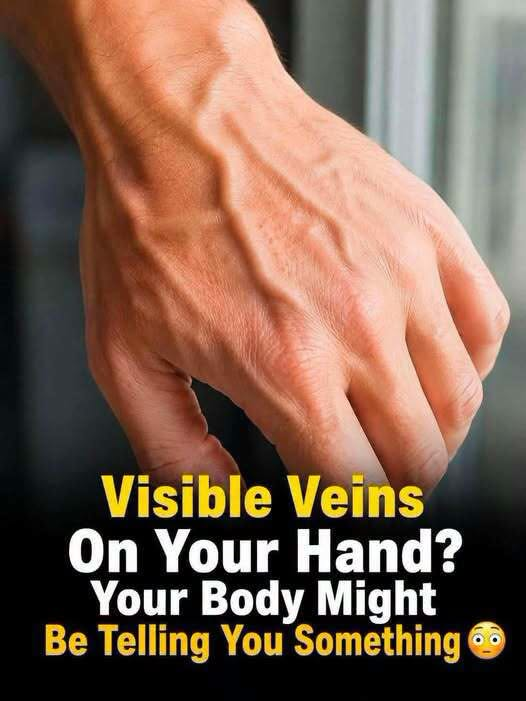
Many people experience occasional tingling, coldness, or color changes in their hands without giving it much thought. These sensations often appear after sitting in one position too long or during cold weather. However, when such symptoms occur frequently or without an obvious cause, they may signal underlying issues with circulation or nerve function that deserve closer attention.
Poor blood flow to the hands can stem from several conditions. Peripheral artery disease, for example, restricts blood supply to the limbs and may first show up as cold fingers or slow-healing small cuts. People who smoke or have diabetes face higher risks of developing circulation problems that affect the hands and feet over time.
Raynaud’s phenomenon is another common cause of hand symptoms. It causes blood vessels to narrow dramatically in response to cold temperatures or stress, turning fingers white or blue before they return to normal color. While often manageable, this condition can sometimes indicate other autoimmune disorders that require medical evaluation.
Nerve compression issues, such as carpal tunnel syndrome, frequently produce tingling or numbness in the hands. These symptoms tend to worsen at night or during repetitive hand movements. Early intervention through ergonomic adjustments or medical treatment can prevent long-term nerve damage.
Diabetes-related neuropathy often begins in the extremities. High blood sugar levels over time damage nerves, leading to sensations of burning, tingling, or loss of feeling in the hands and feet. Regular blood sugar monitoring and proper diabetes management help reduce the risk of serious complications.
Certain medications and lifestyle factors can also contribute to hand circulation problems. Prolonged use of vibrating tools, repetitive strain from work, or even excessive caffeine intake may temporarily affect blood flow or nerve sensitivity. Identifying and modifying these triggers often brings noticeable improvement.
When hand symptoms appear suddenly or are accompanied by chest pain, shortness of breath, or severe headaches, immediate medical attention becomes essential. These combinations can indicate more serious cardiovascular events that require prompt evaluation by healthcare professionals.
Diagnostic tests such as Doppler ultrasound, nerve conduction studies, or blood work help doctors determine the exact cause of persistent hand issues. Early detection allows for treatment plans that may include medication, physical therapy, or lifestyle changes tailored to the individual’s specific condition.
Simple daily habits can support better circulation in the hands. Regular movement, staying hydrated, avoiding smoking, and managing stress levels all contribute to healthier blood flow. Gentle hand exercises and warm compresses may provide temporary relief for mild symptoms while professional care is being arranged.
Many people delay seeking help because symptoms come and go or seem minor at first. However, what begins as occasional discomfort can progress into more significant problems if underlying causes remain unaddressed. Paying attention to patterns and changes in hand sensation often leads to earlier and more effective intervention.
Your hands perform countless tasks every day and deserve attention when they send warning signals. While not every tingling sensation indicates a crisis, persistent or worsening symptoms merit discussion with a healthcare provider. Understanding the possible connections between hand health and overall vascular or nerve function empowers people to take proactive steps toward better well-being.
Listening to your body remains one of the most valuable tools for maintaining long-term health. When hands repeatedly feel cold, numb, or painful without clear reason, they may be highlighting issues that extend beyond the surface. Addressing these signals promptly can help prevent more serious complications and support a higher quality of life for years to come.
Most Popular!
-
 The Hidden Maternal Link: Scientists May Have Finally Unlocked the Gut Microbiome Secret Behind Autism
-
My Son Banned Me from My Granddaughter’s Wedding After I Paid $120,000 for It — So I Destroyed His Life the Next Morning
-
The Secret Meaning Behind That Tiny Loop on Your Shirt: Could It Ruin Your Relationship?
-
The Ghost on the Boardwalk: I Raised My Fiancée’s Six Children for a Decade Only to Find Her Living a Secret Life
-
The Secret in Her Coffin: I Found My Brother’s Button in My Dead Wife’s Cold Hand
-
The Abandoned Twins on the Beach: The Secret My Daughters Kept for 18 Years Will Leave You Speechless
-
The Mystery of the Kitchen Island Shelf: The Hidden Secret Your Designer Never Told You
-
The Dark Secret in Your Morning Mug: Doctors Finally Expose the Hidden Toll of Your Daily Coffee Habit