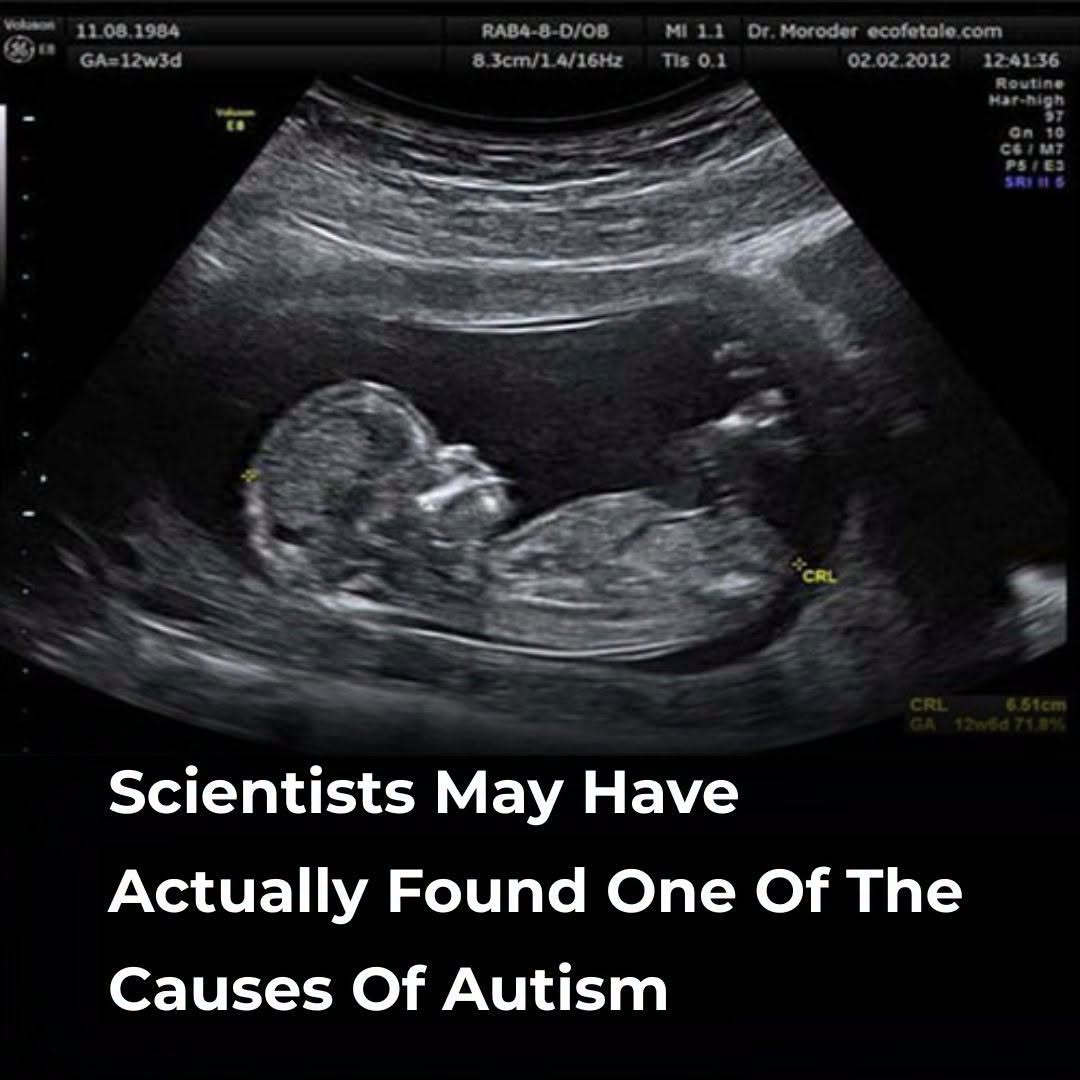
Recent years have brought growing interest in the connection between gut health and brain development. Researchers have begun exploring how the bacteria living in our digestive systems might influence neurological conditions, including autism spectrum disorder. One area receiving particular attention involves the microbiome of mothers during pregnancy and its potential effects on their children.
The gut microbiome consists of trillions of microorganisms that help with digestion, immune function, and even the production of certain brain chemicals. During pregnancy, a mother’s microbiome can shift in response to diet, stress, medications, and other factors. Scientists are studying whether these changes might influence fetal brain development through the placenta or other pathways.
Some studies have found differences in the gut bacteria of children with autism compared to neurotypical children. These differences appear in the types and diversity of microbes present. Researchers are now investigating whether similar patterns exist in mothers and whether those maternal patterns could be passed along or influence development before birth.
The idea of a maternal microbiome link does not suggest that mothers cause autism. Instead, it points to complex interactions between genetics, environment, and early microbial exposure. Autism is understood to have many contributing factors, and the microbiome is only one piece of a much larger puzzle that scientists are still working to understand.
Diet during pregnancy plays a significant role in shaping the maternal microbiome. Foods rich in fiber, fermented products, and diverse plant sources tend to support healthier bacterial communities. Some researchers are exploring whether targeted dietary changes or probiotic support during pregnancy could influence outcomes, though much more research is needed before drawing firm conclusions.
Stress and certain medications taken during pregnancy can also alter microbiome composition. Chronic stress has been shown to reduce bacterial diversity, while some antibiotics can temporarily wipe out beneficial strains. These changes may have downstream effects that scientists are only beginning to map in relation to child development.
Animal studies have provided some of the earliest clues about microbiome-brain connections. When researchers transferred gut bacteria from humans with certain conditions into germ-free mice, they observed changes in behavior and brain chemistry. These findings have encouraged more investigation into whether similar mechanisms might operate in human pregnancies.
Human studies remain more limited but are expanding. Some research teams are collecting microbiome samples from pregnant women and following their children over time. Early results suggest possible associations between maternal microbial profiles and later developmental patterns, but these findings require larger studies and longer follow-up periods to confirm.
It is important to approach this area of research with caution. Headlines sometimes present preliminary findings as definitive answers. In reality, the relationship between the maternal gut microbiome and autism is still being mapped. Correlation does not equal causation, and many other factors continue to play important roles in neurodevelopment.
Parents and expectant mothers often feel overwhelmed by new scientific information, especially when it touches on conditions like autism. Current evidence does not support blaming mothers or making drastic changes based on early microbiome research alone. Instead, general recommendations for healthy pregnancy remain the same: balanced nutrition, stress management, and regular prenatal care.
Ongoing studies may eventually lead to new ways of supporting maternal and child health. If researchers can identify specific microbial patterns linked to developmental outcomes, future interventions might focus on gentle ways to support beneficial bacteria during pregnancy. These possibilities remain speculative for now but represent an active and hopeful area of scientific inquiry.
The connection between the maternal gut microbiome and autism represents one thread in a much larger story of how early life experiences shape development. While the research is still unfolding, it highlights the importance of maternal health during pregnancy and the remarkable complexity of the human body. Families navigating autism can take comfort in knowing that scientists continue working to understand all the contributing factors, including those that begin before birth.
Most Popular!
-
 He Brought His Mistress to Our Fourth of July BBQ and Told Me Not to Make a Scene So I Ruined His Life in Front of Everyone
-
The Ultimate Act of Betrayal: My Husband Thought He Could Buy His Way Out of Fatherhood But He Didn’t Know I Had Been Keeping Receipts for Years
-
My Fiancée Vanished Ten Years Ago But When Her Son Saw Her at a Resort I Discovered a Heart-Stopping Secret That Should Have Been Impossible
-
My Childhood Bully Swept Me Off My Feet with a Romantic Proposal But on Our Honeymoon He Handed Me a Letter That Exposed the Sickening Truth
-
The Heartbreaking Secret My Grandfather Hid Behind Every Glass of Grape Juice
-
I Found a Hidden Backpack Two Days Before My Wedding: What Was Inside Ended Everything Before I Could Walk Down the Aisle
-
The Ultimate Birthday Betrayal: My Daughter’s Classmates Used My Home as a Pit Stop and the Truth in the Group Chat Left Me Shattered
-
My Own Son Evicted Me from My House: The Shocking Truth That Saved My Life