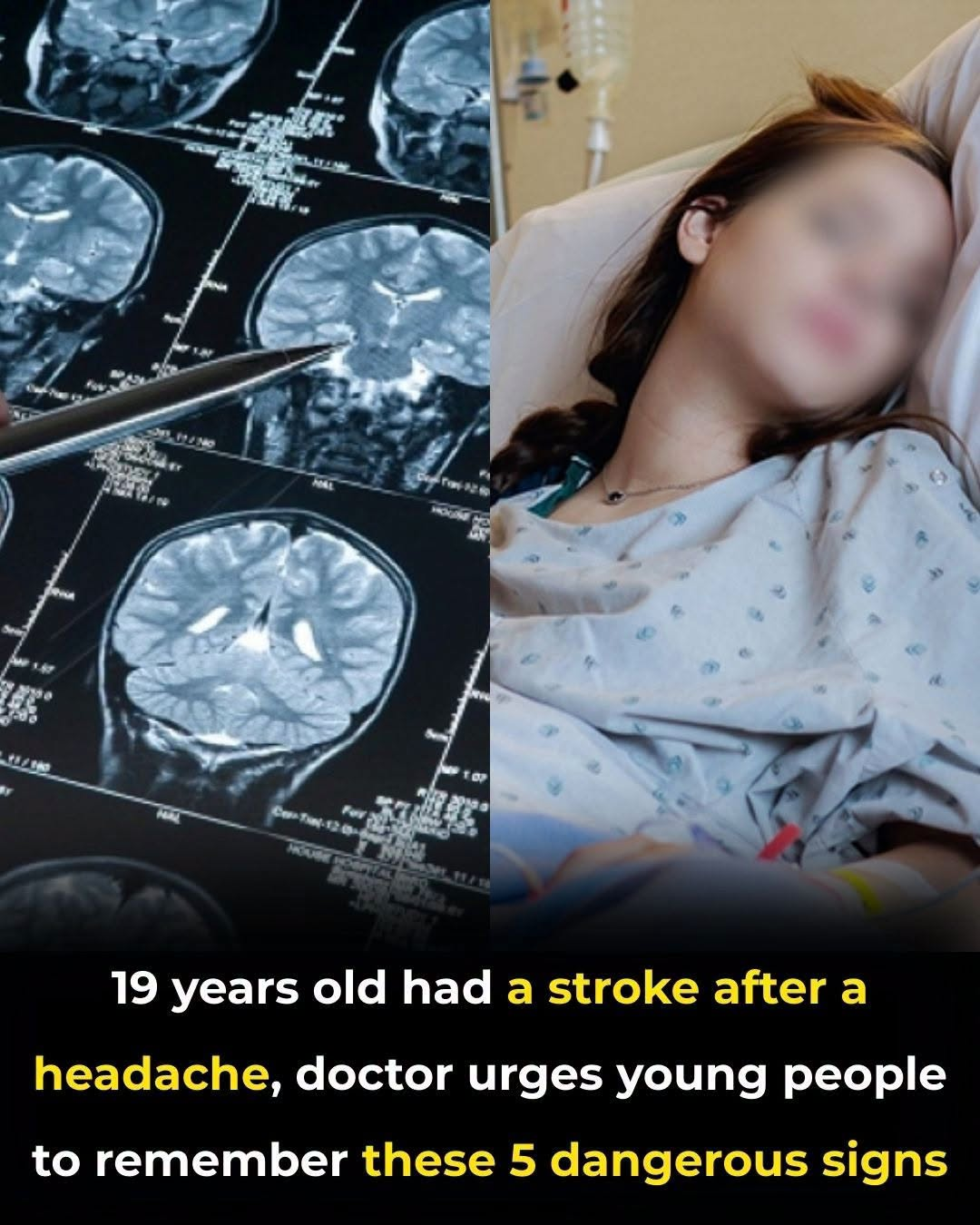
Strokes strike with devastating speed and often without obvious warning, affecting people across all age groups including younger adults. Rising stroke rates among those under 50 highlight importance of recognizing subtle signals the body sends before catastrophic events occur. Understanding these warning signs enables faster response that significantly improves outcomes and reduces long-term damage. Early recognition combined with immediate medical attention represents best defense against stroke’s life-altering consequences.
Sudden intense headaches that feel different from normal tension or migraine pain warrant immediate medical evaluation. This thunderclap sensation may indicate blood vessel rupture or other serious neurological events requiring urgent intervention. Many people dismiss such headaches as stress-related or temporary, delaying critical treatment. Recognizing this as potential emergency helps prevent permanent brain damage from occurring.
One-sided numbness, weakness, or tingling sensations represent classic stroke indicators that demand prompt action. These symptoms occur when blood flow becomes restricted to specific brain regions controlling movement and sensation. The unilateral nature distinguishes stroke-related issues from general fatigue or minor nerve problems. Quick response to these signs often determines whether full recovery remains possible.
Speech difficulties including slurring, word-finding problems, or sudden confusion signal potential stroke affecting language centers in the brain. These changes can appear gradually or strike abruptly requiring immediate attention. Family members and friends play crucial roles in recognizing these symptoms when individuals cannot communicate effectively. Prompt medical evaluation helps minimize language-related disabilities following stroke events.
Vision changes such as sudden blurring, double vision, or loss of peripheral sight indicate stroke impacting visual processing areas. These symptoms often accompany other neurological signs creating clearer picture of emergency situation. People frequently attribute vision issues to fatigue or eye strain, missing critical windows for treatment. Awareness of stroke connection helps ensure appropriate medical response.
Dizziness, loss of balance, or sudden coordination problems may signal stroke affecting cerebellum or related structures. These symptoms create dangerous fall risks while indicating serious neurological disruption. Distinguishing stroke-related dizziness from benign causes requires professional medical assessment. Rapid evaluation helps prevent complications and improves recovery prospects.
Stroke symptoms demand immediate emergency response rather than waiting to see if they resolve. Time-sensitive treatments work best when administered quickly after symptom onset. Calling emergency services rather than driving to hospitals ensures professional care begins immediately. Every minute counts when brain tissue faces oxygen deprivation from stroke events.
Lifestyle factors including high blood pressure, smoking, and sedentary behavior increase stroke vulnerability across age groups. Managing these risks through diet, exercise, and medical care provides important prevention strategies. Regular checkups help identify underlying conditions before they lead to emergencies. Proactive health management reduces likelihood of experiencing stroke events.
Public education about stroke symptoms continues improving recognition and response times in communities. FAST acronym (Face drooping, Arm weakness, Speech difficulty, Time to call emergency services) provides simple framework for identifying potential strokes. Widespread awareness helps ensure faster treatment and better outcomes for affected individuals. Community preparedness saves lives and reduces disability from stroke incidents.
Understanding stroke warning signs empowers individuals to protect themselves and loved ones from devastating consequences. Prompt recognition and response dramatically improve survival rates and recovery possibilities. Combining awareness with healthy lifestyle choices creates comprehensive approach to stroke prevention. Taking these steps helps ensure better health outcomes and quality of life for years to come.
Most Popular!
-
 Eggs, Cholesterol, and Timing: What Actually Matters for Most People
-
When a Partner Leaves With More Than a Suitcase: Protecting Yourself From Financial Betrayal
-
When Financial Support Meets Contempt: Recognizing Exploitation Inside a Marriage
-
Why Some Sensory Toys and Household “Hacks” Do Not Belong in the Microwave
-
When Grief Clouds Judgment: Misreading Silence and the Quiet Ways People Show Care
-
When One Partner Does All the Hosting: Recognizing Imbalance Before Resentment Takes Over
-
How Many Holes Are in a T-Shirt? What a Simple Puzzle Reveals About How We See
-
The Quiet Stories Inside Secondhand Objects: When a Thrift-Store Find Carries Someone Else’s History