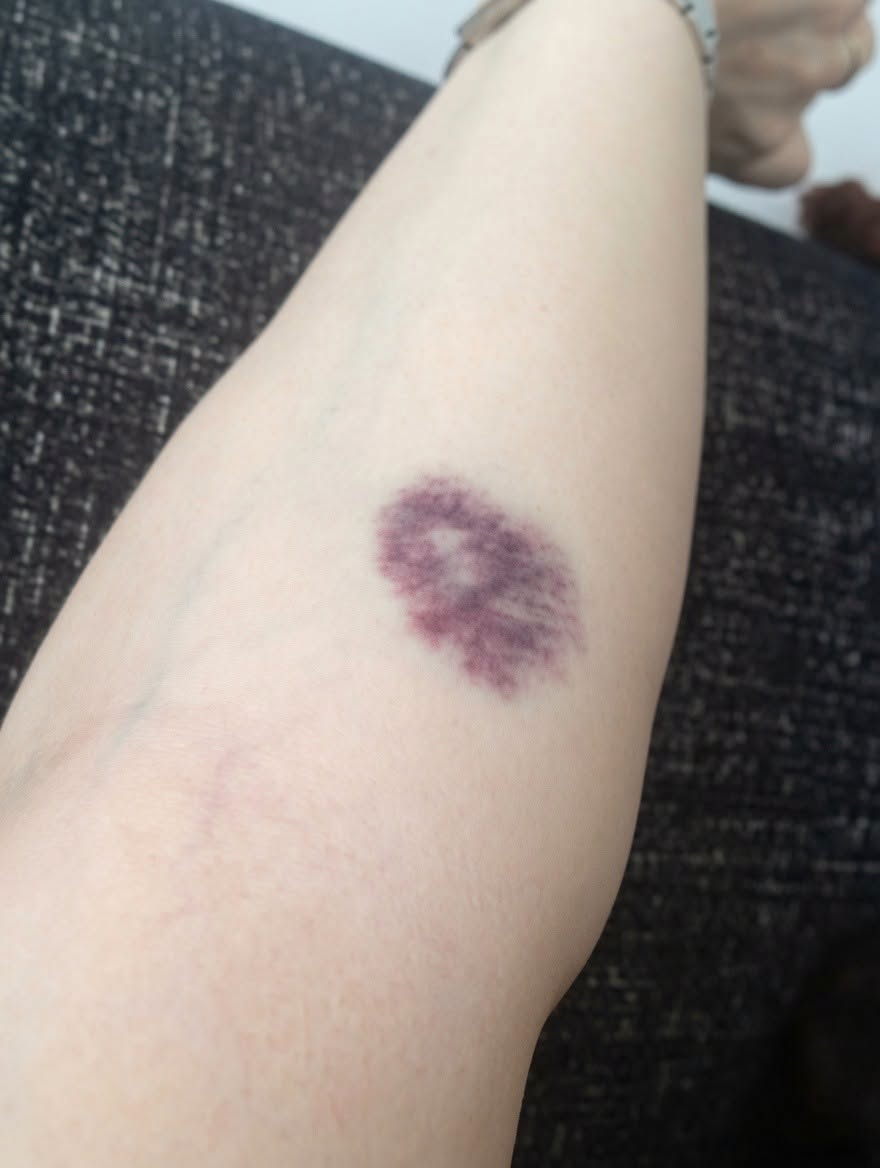
Unexplained bruises appearing without obvious injury often cause concern and speculation about underlying health issues. While many cases remain benign, persistent or unusual bruising patterns warrant medical attention. These marks can signal various conditions ranging from minor nutritional deficiencies to serious blood disorders. Understanding potential causes helps individuals recognize when professional evaluation becomes necessary rather than dismissing changes as normal aging.
Bruising occurs when small blood vessels beneath skin break allowing blood to leak into surrounding tissue. Normal healing process involves body reabsorbing this blood over time creating characteristic color changes. However, spontaneous bruising without trauma suggests possible problems with clotting mechanisms or blood vessel integrity. Age-related skin thinning makes older adults more susceptible to visible bruising from minor impacts.
Medications including blood thinners and certain anti-inflammatory drugs commonly increase bruising tendency. These treatments intentionally affect clotting processes to prevent dangerous conditions like strokes. Nutritional deficiencies in vitamin C and K also impair blood vessel strength and clotting ability. Balanced diet rich in fruits and vegetables helps maintain necessary nutrient levels for vascular health.
Serious conditions like leukemia and other blood disorders sometimes manifest through frequent unexplained bruising. These diseases affect platelet production or function essential for stopping bleeding. Additional symptoms including fatigue, frequent infections, and swollen lymph nodes often accompany concerning bruising patterns. Early detection through blood tests significantly improves treatment outcomes for such conditions.
Liver disease impacts production of clotting factors leading to increased bruising tendency. Chronic alcohol use and viral hepatitis represent common causes of liver damage affecting coagulation. Monitoring liver function through regular medical checkups helps identify problems before they cause significant complications. Lifestyle modifications including reduced alcohol consumption support liver health and reduce bruising risks.
Tracking bruise patterns helps distinguish normal variations from potential medical concerns. Documenting location, frequency, and accompanying symptoms provides valuable information for healthcare providers. Sudden increases in bruising or appearance in unusual patterns deserve prompt evaluation. Professional assessment helps rule out serious conditions while addressing treatable causes.
Home remedies including cold compresses help manage pain and swelling from recent bruises. Gentle massage after initial 48 hours promotes circulation and healing process. However, these approaches address symptoms rather than underlying causes when medical conditions exist. Professional diagnosis ensures appropriate treatment targeting root problems rather than temporary relief.
Many people worry about cancer when noticing unexplained bruises leading to unnecessary anxiety. Most cases result from benign causes including medication side effects or minor trauma. However, persistent patterns combined with other symptoms require medical investigation to rule out serious conditions. Balanced approach involves seeking evaluation while avoiding panic over normal variations.
Preventive measures help reduce bruising tendency through lifestyle choices. Maintaining healthy weight, regular exercise, and balanced nutrition support vascular health and clotting function. Avoiding unnecessary medications and alcohol helps minimize risk factors. Regular medical checkups allow early detection of conditions that might cause abnormal bruising.
Unexplained bruises serve as important signals from body about potential health issues requiring attention. While most cases remain harmless, persistent patterns deserve professional evaluation to ensure proper diagnosis and treatment. Taking proactive approach to health monitoring helps address concerns before they become serious problems. Regular communication with healthcare providers ensures comprehensive care addressing both symptoms and underlying causes.
Most Popular!
-
 Eggs, Cholesterol, and Timing: What Actually Matters for Most People
-
When a Partner Leaves With More Than a Suitcase: Protecting Yourself From Financial Betrayal
-
When Financial Support Meets Contempt: Recognizing Exploitation Inside a Marriage
-
Why Some Sensory Toys and Household “Hacks” Do Not Belong in the Microwave
-
When Grief Clouds Judgment: Misreading Silence and the Quiet Ways People Show Care
-
When One Partner Does All the Hosting: Recognizing Imbalance Before Resentment Takes Over
-
How Many Holes Are in a T-Shirt? What a Simple Puzzle Reveals About How We See
-
The Quiet Stories Inside Secondhand Objects: When a Thrift-Store Find Carries Someone Else’s History