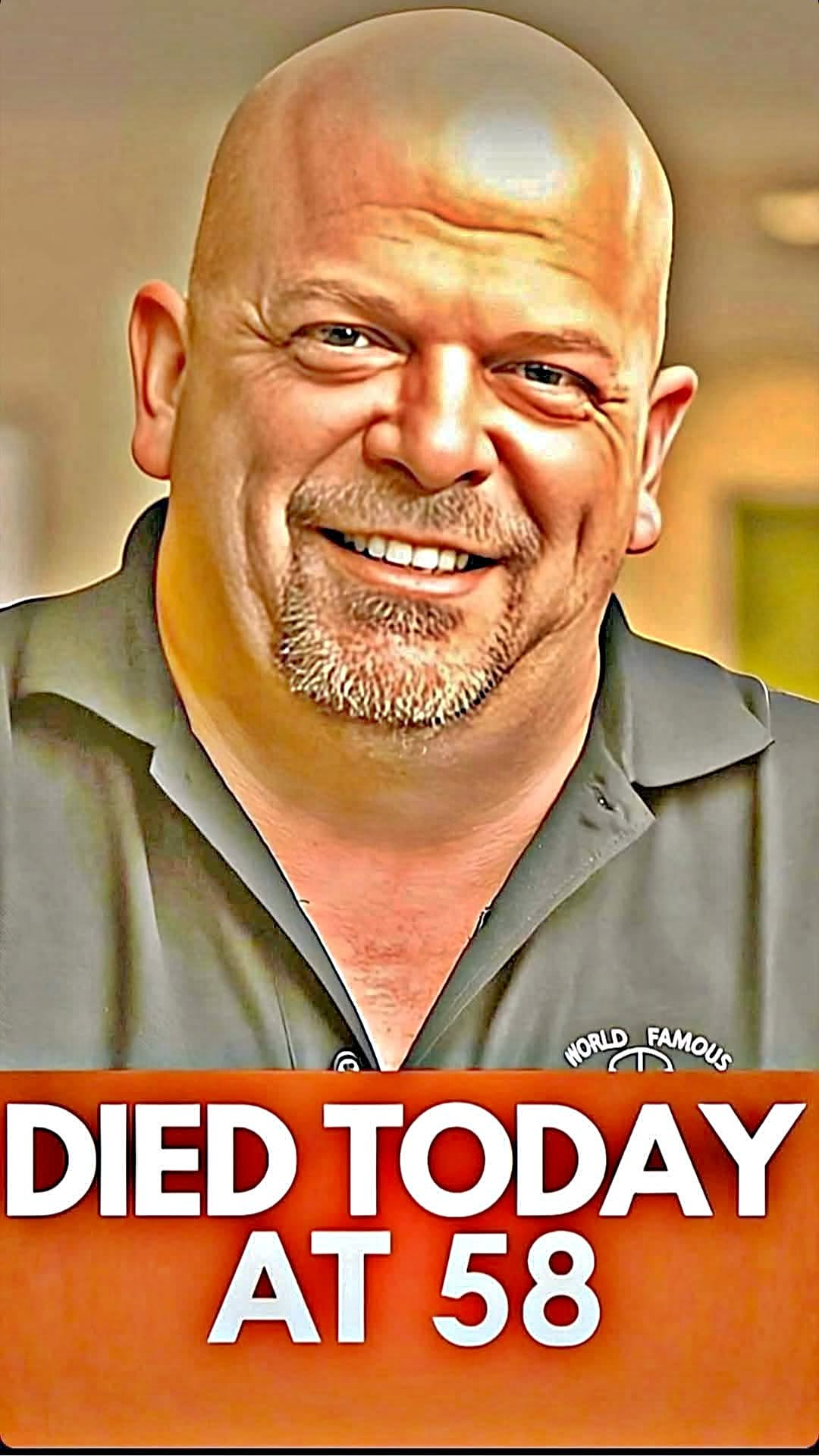
Losing a child is every parent’s worst nightmare, but when that loss happens under the glaring lights of public scrutiny, the pain becomes almost unbearable. For Rick Harrison, the sharp-witted star of the long-running hit reality show Pawn Stars, that nightmare became reality when his son Adam Harrison died at just 39 years old. To millions of fans, the Harrison family represented the ultimate American success story — a father and sons running a famous Las Vegas pawn shop filled with history, negotiation, and family bonds. Behind the cameras, however, Adam struggled in silence. His death from an accidental overdose involving fentanyl and methamphetamine shocked the world and forced a very public family to confront private demons. The full story reveals not only the devastating personal toll but also the terrifying reality of the fentanyl crisis that continues to claim lives across every walk of life.
Adam Harrison was never the flashy face of the show like his father or brother. He largely stayed out of the spotlight, choosing a quieter life away from the constant filming and public attention that came with the family’s fame. Those who knew him described a kind, intelligent young man who loved music, cars, and the simple pleasures of everyday life. Yet beneath that gentle exterior, Adam battled addiction — a battle that many families know all too well but often remains hidden until tragedy strikes. His death served as a painful reminder that substance use disorder doesn’t discriminate. It can touch even the most seemingly stable and successful families, turning private struggles into very public heartbreak.
The circumstances surrounding Adam’s passing were heartbreakingly ordinary in the context of the opioid epidemic. Toxicology reports confirmed the presence of fentanyl, a synthetic opioid far more potent than heroin, mixed with methamphetamine. Fentanyl has become the leading cause of overdose deaths in the United States because it is cheap, powerful, and often unknowingly mixed into other street drugs. Even a tiny amount — sometimes as little as a few grains of salt — can be fatal. For Rick Harrison and the rest of the family, the news brought not only grief but also the agonizing questions that every parent in this situation asks: Could we have done more? Were there signs we missed? What if we had intervened differently?
Rick Harrison has always been known for his straightforward, no-nonsense personality on television. When faced with the loss of his son, he chose to channel some of that same honesty into speaking out. In interviews and public statements, he opened up about the family’s pain and the broader crisis that took Adam’s life. He emphasized that addiction is a disease, not a moral failing, and urged greater awareness around the dangers of fentanyl-laced drugs. His willingness to share such raw vulnerability surprised many fans who were used to seeing him negotiate deals with confidence and wit. Instead, they witnessed a grieving father using his platform to try to prevent other families from experiencing the same devastating loss.
The impact on the Harrison family extended far beyond the immediate grief. The Pawn Stars empire had always been built on the foundation of family working together. Adam’s absence left a void that couldn’t be filled. Rick has spoken about the difficulty of continuing the show while processing such profound personal loss. The family has leaned on each other, their faith, and the support of fans who sent messages of condolence from around the world. In many ways, Adam’s death became a catalyst for deeper conversations within the family about mental health, addiction, and the pressures that come with living life in the public eye.
Beyond the personal story, Adam’s passing highlighted the terrifying reach of the fentanyl crisis. What started as a problem largely confined to certain communities has now spread everywhere. Dealers mix fentanyl into pills, heroin, cocaine, and even counterfeit prescription medications because it is potent and inexpensive. Users often have no idea what they are actually taking until it is too late. Health officials and families like the Harrisons continue to call for stronger action — better treatment access, education, harm reduction strategies, and stricter border controls on precursor chemicals coming from overseas. Rick’s public advocacy has added a recognizable voice to a fight that too often feels invisible until it strikes close to home.
For those watching Pawn Stars over the years, Adam’s death brought a sobering perspective to the show. The pawn shop had always been portrayed as a place of excitement, discovery, and family camaraderie. Behind that image was a real family dealing with the same joys, struggles, and tragedies that every family faces. Fans who had grown attached to the Harrisons through their television personas suddenly saw the human cost of fame and the universal pain of losing a loved one too soon. Many reached out with their own stories of addiction and loss, creating an unexpected community of support around the family’s grief.
The legacy Adam left behind extends beyond the pain of his passing. His story serves as a powerful reminder that addiction can touch anyone, regardless of background, success, or family support. It also underscores the importance of compassion over judgment. Families dealing with substance use disorders often face stigma that prevents them from seeking help early. By sharing their experience openly, the Harrisons have helped reduce that stigma and encouraged others to speak up and seek support. In the midst of unimaginable loss, they chose to turn their pain into purpose.
Today, Rick Harrison continues to honor his son’s memory while carrying on with the family business and the show that made them famous. He speaks candidly about the importance of cherishing every moment with loved ones and the need for society to address the root causes of the opioid epidemic. For viewers, the show will never quite look the same. Every episode now carries an extra layer of poignancy — a reminder that behind the negotiations and historical artifacts are real people with real hearts that can break just like anyone else’s.
This heartbreaking chapter in the Harrison family story ultimately leaves us with important lessons about love, loss, and the hidden struggles behind public success. First, never assume that fame or money protects anyone from addiction or tragedy. Second, early intervention and open conversations about mental health and substance use can save lives. Third, grief looks different for everyone, and there is no timeline for healing. And finally, even in the darkest moments, choosing to speak out and help others can transform personal pain into broader purpose.
If you or someone you love is struggling with addiction, know that help is available. Reach out to resources like SAMHSA’s helpline, local treatment centers, or trusted medical professionals. Recovery is possible, and no one has to face these challenges alone. The Harrison family’s courage in sharing their story reminds us that even when we lose someone, their memory can inspire positive change that honors their life in meaningful ways.
Adam Harrison may have lived much of his life away from the cameras, but his story now shines a necessary light on issues too many families face in silence. His father’s platform has amplified that light, turning private grief into public awareness. In a world quick to celebrate success and slow to acknowledge pain, stories like this one remind us of our shared humanity. Behind every reality TV icon is a real person — with dreams, struggles, and a family that loves them. Adam’s life and legacy continue through the awareness his passing has created and the love that still surrounds his memory.
The pawn shop in Las Vegas still stands as a landmark, but for the Harrison family, it will forever carry the quiet echo of a son and brother who is deeply missed. Their journey through grief serves as both a cautionary tale and a beacon of hope — a reminder that even after unimaginable loss, families can find strength, purpose, and the courage to keep moving forward while honoring those who are no longer here. In sharing their truth, they have helped countless others feel less alone. And in the end, that may be one of the most powerful legacies of all.
Most Popular!
-
 West Virginia Ranch with a Hidden Stream Is the Fixer-Upper You Have Been Searching For
-
West Virginia Ranch with a Hidden Stream Is the Fixer-Upper You Have Been Searching For
-
High School Bullies Called Me “Dumpster Princess” for Wearing My Late Grandmother’s Gown — But the Prom King Silenced Them With One Brutal Speech
-
Doctor Reveals Health Issues Hidden in Your Nails — What Your Fingernails Are Trying to Tell You
-
Hidden PFAS in Toilet Paper Linked to Cancer Risk — 6 Types You Need to Be Aware Of Right Now
-
7 Subtle Signs You’re Going Through a Deep Inner Shift (And Why It’s a Beautiful Thing)
-
My Husband Had a Vasectomy But When I Got Pregnant Two Months Later He Accused Me of Cheating — I Thought That Was the Worst Part Until the Ultrasound
-
Doctors’ Chilling Warning About Kissing a Dead Person — The Hidden Risks You Need to Know Before It’s Too Late