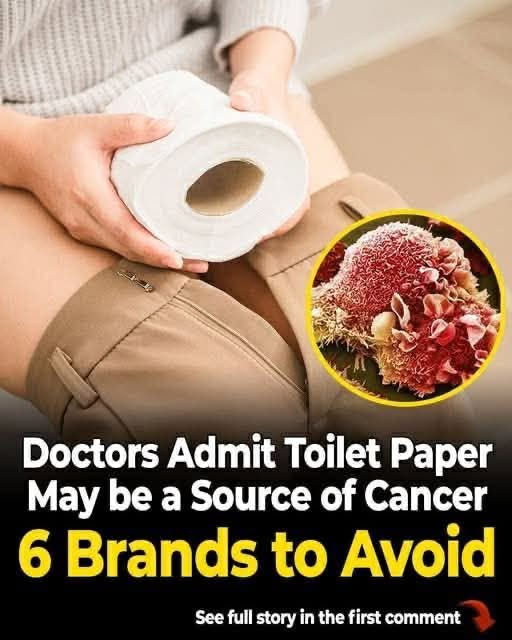
Every day, millions of people reach for a roll of toilet paper without a second thought, assuming it’s one of the safest household products we use. Yet growing scientific concern is shining a harsh light on hidden chemicals called PFAS that may be lurking in many popular brands. These “forever chemicals” are linked to serious health issues, including increased cancer risk, hormone disruption, and immune system problems. The idea that something as basic and intimate as toilet paper could contribute to long-term health risks feels alarming — and for good reason. Understanding how PFAS end up in bathroom tissue, which types are most concerning, and what you can do to protect yourself and your family is becoming essential knowledge in today’s world of everyday chemical exposure.
PFAS, or per- and polyfluoroalkyl substances, are a large group of man-made chemicals known for their water- and grease-resistant properties. Manufacturers use them in everything from nonstick cookware to stain-resistant fabrics and, surprisingly, some toilet paper. These substances don’t break down easily in the environment or in our bodies, which is why they’re nicknamed “forever chemicals.” When present in toilet paper, they can be absorbed through sensitive skin or even become airborne as microscopic particles during use. Over time, this repeated low-level exposure adds up, potentially contributing to the body’s overall toxic burden in ways researchers are still working to fully understand.
One of the most troubling aspects is how quietly these chemicals have entered our daily routines. Many toilet paper brands use recycled materials or manufacturing processes that introduce PFAS, either intentionally for strength and absorbency or as contaminants from the supply chain. Studies have detected measurable levels in both conventional and some “eco-friendly” products. The concern isn’t just theoretical — research has connected PFAS exposure to higher risks of certain cancers, including kidney and testicular cancer, as well as developmental issues in children and problems with cholesterol levels. For families with young children or individuals with compromised immune systems, this hidden source of exposure deserves serious attention.
Not all toilet paper carries the same risk. Here are six types particularly worth watching:
First, conventional white toilet paper from major brands often contains PFAS due to bleaching processes and performance-enhancing additives. The bright white appearance many consumers prefer can come at a chemical cost. Second, scented or printed toilet paper introduces extra layers of potential contamination through dyes, fragrances, and coatings that may harbor these persistent chemicals. Third, “ultra-soft” or multi-ply varieties sometimes use special treatments to achieve their luxurious feel, which can include PFAS compounds. Fourth, recycled toilet paper isn’t automatically safer — depending on the source material, it can actually concentrate PFAS from previous uses in other products. Fifth, some “flushable” wipes and moist toilet tissues contain high levels of these substances for moisture resistance. Finally, certain “green” or bamboo-based papers marketed as sustainable may still test positive if the manufacturing process or packaging introduces contamination.
The good news is that awareness is growing, and safer alternatives exist. Look for brands that specifically advertise PFAS-free manufacturing and third-party testing. Unbleached, recycled paper from transparent suppliers often performs better in independent tests. Some companies now offer bamboo or hemp-based options with minimal processing. Reading labels carefully and contacting manufacturers directly when information isn’t clear can make a big difference. Small changes like switching brands and reducing overall reliance on single-use paper products contribute to both personal health and environmental protection.
Beyond toilet paper, it’s wise to think about cumulative PFAS exposure from other household sources. Nonstick cookware, waterproof clothing, stain-resistant carpets, and even some food packaging can add to the body’s load. Supporting your natural detoxification through a nutrient-rich diet, regular exercise, sweating, and good hydration helps your body manage these persistent chemicals more effectively. Foods rich in fiber, antioxidants, and sulfur compounds — such as cruciferous vegetables, garlic, and green tea — are particularly supportive for liver health and toxin elimination.
For parents, the stakes feel especially high. Children’s developing bodies are more vulnerable to chemical disruption, and bathroom habits are hard to monitor completely. Choosing safer toilet paper and teaching good hygiene practices, like proper handwashing, becomes an important protective measure. Many families are also moving toward bidets or washable cloths as a way to reduce paper use altogether while minimizing chemical contact. These changes not only lower exposure but often save money and reduce waste over time.
The link between PFAS and cancer risk continues to strengthen as more long-term studies emerge. While no single product is solely responsible for health outcomes, reducing avoidable exposures is one of the most practical steps individuals can take. Regulatory bodies in some regions are beginning to restrict certain PFAS compounds, but progress is slow and varies widely by country. In the meantime, consumer vigilance remains one of the best defenses. Supporting brands that prioritize transparency and safety encourages the entire industry to move in a healthier direction.
Making the switch doesn’t have to be overwhelming. Start by testing a few PFAS-free options and see what works for your household. Many people report that once they adjust to the texture differences, they actually prefer the cleaner, more natural feel of untreated paper. Combine this change with other simple habits like filtering drinking water, choosing fresh foods over packaged ones, and using natural cleaning products. Each small step reduces your overall toxic load and creates a ripple effect of better health.
Ultimately, becoming informed about hidden chemicals like PFAS in everyday items empowers us to make better choices for ourselves and our loved ones. The toilet paper we use multiple times daily deserves the same scrutiny we give to food or personal care products. By understanding the risks, identifying concerning types, and choosing safer alternatives, we take meaningful control over an area of exposure that many people have overlooked for too long.
Your health is worth the extra few minutes it takes to research and select better options. The body has remarkable healing capacity when given the right support and fewer unnecessary burdens. Start paying closer attention to what touches your most sensitive skin every single day. The small effort to protect yourself from hidden PFAS can contribute to greater peace of mind and long-term wellness for years to come. In a world full of chemical complexities, knowledge truly is one of the best forms of prevention. Make informed choices, breathe easier, and know that protecting your family from avoidable risks is always a step worth taking.
Most Popular!
-
 7 Subtle Signs You’re Going Through a Deep Inner Shift (And Why It’s a Beautiful Thing)
-
My Husband Had a Vasectomy But When I Got Pregnant Two Months Later He Accused Me of Cheating — I Thought That Was the Worst Part Until the Ultrasound
-
Doctors’ Chilling Warning About Kissing a Dead Person — The Hidden Risks You Need to Know Before It’s Too Late
-
A Legacy of Health: Soong Mei-ling’s Remarkable Longevity and Inspiring Fight Against Cancer
-
The Benefits of Eating Bananas and the Myths You Should Stop Believing
-
I Was Paid to Pretend I Was an Elderly Woman’s Son After She Died — The Nursing Home Said She Left Something Behind for Me
-
My Daughter Went Missing in Egypt 20 Years Ago — Then One Day a Postcard Arrived That Brought Me to My Knees
-
A $3.28 Tip That Upset a Waiter — Until an Unexpected Letter Arrived Days Later