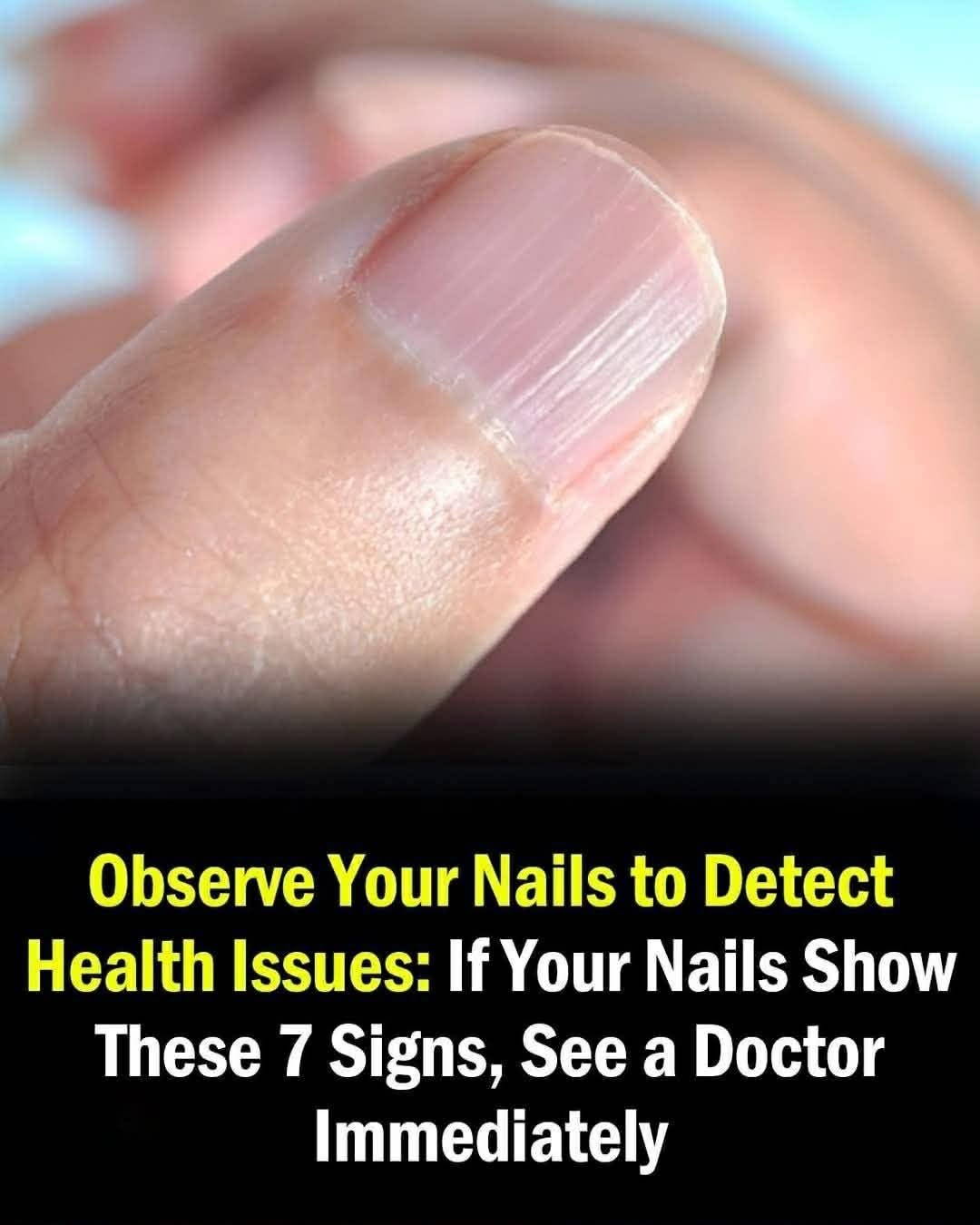
Your nails might seem like a minor detail in your overall appearance, but they can actually serve as a powerful window into your internal health. Many people focus on keeping their nails polished or trimmed without realizing that changes in color, texture, shape, or strength can signal everything from simple nutritional gaps to more serious underlying conditions. Doctors often examine nails during routine check-ups because they grow slowly and record a history of what’s happening inside the body. Ignoring unusual changes could mean missing early warnings for issues like anemia, thyroid problems, lung conditions, or even heart disease. Learning to read these subtle clues empowers you to take proactive steps toward better wellness before small problems become bigger ones.
One of the most common nail changes people notice is the appearance of vertical ridges running from the base to the tip. While some degree of ridging is normal with aging as cell turnover slows, suddenly prominent or deep ridges can point to nutritional deficiencies, particularly in iron, vitamin B12, or protein. These lines may also reflect stress on the body from illness or poor circulation. If your nails develop these ridges alongside fatigue, pale skin, or brittle hair, it’s worth getting blood work done to check for anemia or malabsorption issues. Gentle buffing can improve appearance temporarily, but addressing the root cause through diet and supplements (under medical guidance) often smooths them out over time as new nail grows.
Horizontal ridges, sometimes called Beau’s lines, are deeper grooves that stretch across the nail and usually indicate a more significant interruption in growth. These can appear after a major illness, surgery, high fever, or periods of extreme physical or emotional stress. In some cases, they signal ongoing conditions like diabetes, peripheral vascular disease, or even zinc deficiency. Because nails grow slowly — about three millimeters per month — you can actually estimate when the stressful event occurred by measuring from the cuticle. Multiple horizontal lines on several nails deserve prompt medical attention to rule out systemic problems that need treatment.
Discoloration is another important red flag. Healthy nails should have a consistent pinkish hue with a white crescent at the base. Yellowish tinting might suggest fungal infections or respiratory issues, while bluish nails can indicate poor oxygenation or circulatory problems. White spots, often blamed on calcium deficiency, are more commonly linked to minor trauma or zinc issues. Dark streaks or lines running lengthwise, especially in people with darker skin tones, should never be ignored as they can occasionally signal melanoma of the nail bed — a rare but serious form of skin cancer. Any sudden or persistent color change warrants a visit to your doctor or dermatologist for proper evaluation.
Brittle, splitting, or peeling nails that break easily often point to moisture imbalance or nutritional shortfalls. Frequent exposure to water, harsh chemicals, or nail products can worsen the problem, but internal factors like hypothyroidism, iron deficiency, or biotin deficiency play major roles too. If your nails feel paper-thin or develop vertical splits, consider increasing biotin-rich foods (eggs, nuts, seeds) and using moisturizing oils like jojoba or vitamin E at night. Persistent brittleness that doesn’t improve with better care deserves blood tests to check thyroid function and nutrient levels.
Spoon-shaped nails, where the center dips inward like a spoon, are classically associated with iron-deficiency anemia. This concave shape develops gradually and can make nails appear thin and fragile. Clubbed nails, on the other hand, where the tips become enlarged and the nail curves around the fingertip, may signal chronic lung disease, heart problems, or inflammatory bowel conditions. These structural changes don’t happen overnight and usually reflect long-term issues that benefit from early medical intervention. Regular self-checks in good lighting can help you catch these developments before they advance.
Nail separation from the bed (onycholysis) or pitting (small dents) can indicate psoriasis, thyroid disorders, or allergic reactions. Fungal infections often cause thickening, crumbling, or yellowing that spreads if untreated. For anyone with diabetes or weakened immunity, nail problems require extra vigilance because infections can spread more easily. Keeping nails clean, dry, and trimmed straight across helps prevent many common issues, but professional treatment is essential when symptoms persist or worsen.
Beyond individual signs, overall nail health reflects lifestyle habits. Smoking, excessive alcohol, poor diet, and chronic stress all take a visible toll. Conversely, staying hydrated, eating a rainbow of fruits and vegetables, getting quality sleep, and managing stress support stronger, healthier nails. Many people notice improvements within weeks of adopting better habits, proving that small daily choices create meaningful changes over time.
The key takeaway is that your nails deserve the same attention you give to other health indicators like blood pressure or cholesterol. While most changes are benign, certain patterns deserve prompt medical evaluation rather than self-diagnosis. Dermatologists and primary care doctors can quickly assess whether further testing is needed. Don’t wait for pain or obvious symptoms — early detection through something as simple as your fingernails can make treatment far more effective.
Taking care of your nails goes hand-in-hand with taking care of your whole body. Moisturize regularly, protect them from harsh chemicals, and maintain a nutrient-dense diet rich in biotin, iron, zinc, and protein. If you wear polish frequently, give your nails regular breaks to breathe. Most importantly, listen when your body sends signals through these visible clues. The woman who once ignored ridges and brittleness now checks her nails monthly and feels more in tune with her health overall.
Your nails are constantly growing and renewing themselves, offering a fresh record of your internal state every few months. By paying attention to their condition, you gain valuable insights that can guide better self-care decisions. Many people have caught deficiencies, infections, or systemic issues early simply because they noticed something different about their nails and sought professional advice. That proactive approach often leads to faster recovery and greater peace of mind.
The next time you trim or paint your nails, take an extra moment to really look at them. Those small changes might be asking for your attention before problems become more serious. Healthy nails aren’t just about appearance — they’re a reflection of vibrant internal health. Honor the messages they send, make thoughtful lifestyle adjustments, and work with your doctor when something seems off. Your body has clever ways of communicating. Learning to listen through something as simple as your fingernails might just help you catch important health clues early and enjoy greater wellness for years to come. Small observations today can lead to significant improvements tomorrow.
Most Popular!
-
 Heartbreaking Discovery in Japan After Auburn University Student Vanishes Without a Trace
-
West Virginia Ranch with a Hidden Stream Is the Fixer-Upper You Have Been Searching For
-
West Virginia Ranch with a Hidden Stream Is the Fixer-Upper You Have Been Searching For
-
The Heartbreaking Truth Behind the Sudden Death of a Reality TV Icon
-
High School Bullies Called Me “Dumpster Princess” for Wearing My Late Grandmother’s Gown — But the Prom King Silenced Them With One Brutal Speech
-
Hidden PFAS in Toilet Paper Linked to Cancer Risk — 6 Types You Need to Be Aware Of Right Now
-
7 Subtle Signs You’re Going Through a Deep Inner Shift (And Why It’s a Beautiful Thing)
-
My Husband Had a Vasectomy But When I Got Pregnant Two Months Later He Accused Me of Cheating — I Thought That Was the Worst Part Until the Ultrasound