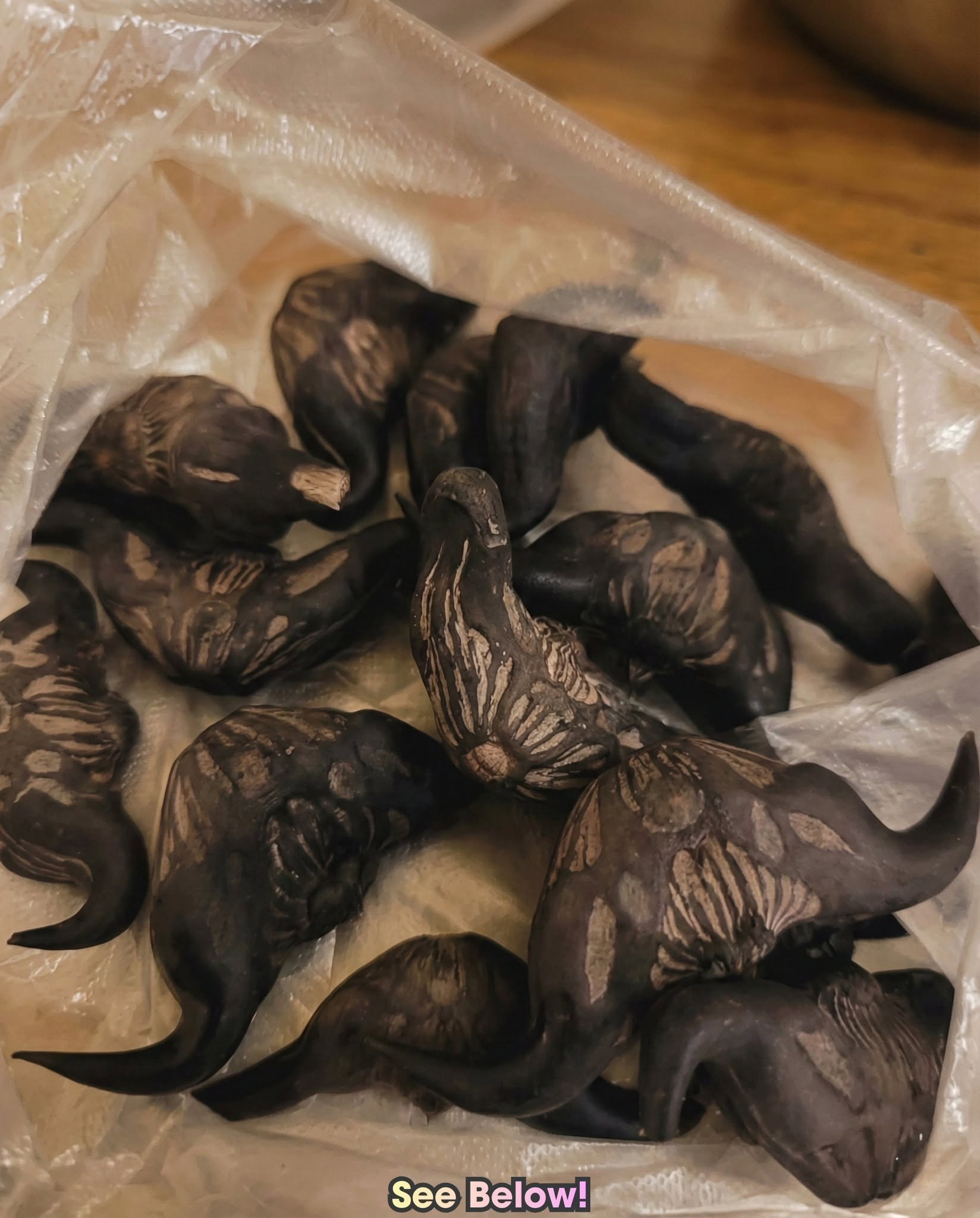
That mysterious bag sitting on your doorstep with no note can spark all kinds of reactions—curiosity, suspicion, or outright alarm. When you open it to find clusters of hard, dark, spiky objects that look like something from a medieval trap or horror movie prop, it’s easy to assume the worst. These bizarre “devil pods” have an intimidating appearance designed by nature to deter hungry animals, complete with sharp horns that seem anything but edible. Yet beneath that fearsome exterior lies a surprisingly versatile and nutritious food that has been enjoyed for centuries in various cultures. Understanding what these strange gifts actually are can turn a potential trash bin moment into a delicious culinary adventure.
Water caltrops, also known by names like bat nuts, buffalo nuts, or devil pods, come from an aquatic plant that grows in ponds and slow-moving waters. Their unique shape—hard, blackish-brown shells with prominent horns—serves as formidable protection for the starchy seed inside. While they might look toxic or dangerous at first glance, they are not inherently poisonous when handled and prepared correctly. Many people receive them from neighbors with thriving water gardens or from foragers who harvest them seasonally. The key lies in proper identification and preparation, as raw or undercooked versions can be tough, unpalatable, and potentially irritating if not treated right.
The preparation process is straightforward but non-negotiable. Start by giving the pods a thorough rinse under running water to remove any dirt or debris. Then boil them in a large pot for 20 to 30 minutes until the shells soften enough to crack open easily. Once cooled slightly, use a nutcracker, hammer, or sturdy knife to break the hard exterior and reveal the white, meaty seed within. The flavor profile surprises most first-timers—a delightful cross between a chestnut and a potato, with a slightly sweet, nutty taste and firm yet yielding texture. This simple cooking step transforms what seems like an inedible curiosity into a wholesome ingredient ready for your kitchen experiments.
Historically, water caltrops have played an important role in Asian cuisines, particularly in Chinese, Japanese, and Indian traditions. They appear in soups, stir-fries, and stews, where their starchiness helps thicken broths naturally while adding interesting mouthfeel. In some regions, they are harvested from lakes and valued as a seasonal delicacy that provides substantial energy and nutrients. The plant itself has a long history of cultivation in flooded fields, similar to how rice or water chestnuts are grown. For home cooks today, incorporating them offers a way to explore global flavors without exotic shopping trips, especially when they arrive as free neighborly gifts.
Nutritionally, these seeds pack a respectable punch. They deliver complex carbohydrates for sustained energy, along with decent amounts of fiber, potassium, and various B vitamins. The low-fat profile makes them appealing for lighter meals, while their natural sweetness can reduce the need for added sugars in recipes. Like many aquatic plants, they contribute to a diet rich in plant-based variety, supporting gut health through their fiber content and offering antioxidants that combat everyday oxidative stress. For those looking to diversify beyond common vegetables, devil pods provide a unique option that feels both ancient and novel at the same time.
Creative ways to use them in modern kitchens abound once you’ve mastered the basic boiling technique. Add chopped seeds to hearty vegetable soups for natural thickening and subtle sweetness. Toss them into stir-fries with garlic, ginger, soy sauce, and colorful vegetables for a satisfying crunch that holds up well to high heat. They work beautifully in curries, absorbing flavors while maintaining their identity. More adventurous cooks puree them for dips, roast them with spices as a snack, or incorporate into baked goods for added moisture and nutrition. Their versatility rivals water chestnuts but with a more pronounced, earthy character that elevates everyday dishes.
Safety considerations deserve attention whenever handling unfamiliar plants. Always ensure positive identification—devil pods have a very distinctive shape that’s hard to mistake once you know it. If the neighbor who gave them to you can confirm the source, that’s even better. While generally safe after cooking, anyone with allergies to similar foods or digestive sensitivities should introduce them gradually. Avoid eating them raw, as the uncooked texture is extremely hard and the flavor unappealing. Proper storage after preparation matters too—cooked seeds keep well in the refrigerator for a few days or can be frozen for longer use in future meals.
The broader lesson from these neighborly gifts extends beyond one specific plant. In our fast-paced world of packaged supermarket foods, receiving unlabeled produce encourages mindfulness and connection to local growing practices. It revives the spirit of community sharing that was once common when gardens overflowed with bounty. Rather than defaulting to caution and disposal, taking time to research and experiment honors both the giver’s intent and nature’s abundance. Many discover new favorites through such chance encounters, expanding their palate and reducing reliance on processed alternatives.
Environmental and sustainability angles add another layer of appeal. Water caltrops grow readily in appropriate aquatic environments, sometimes even considered invasive in certain regions outside their native range. Harvesting and consuming them can align with efforts to manage plant populations responsibly. For urban or suburban dwellers with limited garden space, these gifts provide access to fresh, seasonal ingredients that might otherwise be unavailable. Embracing them supports a more resourceful, less wasteful approach to food that benefits both personal health and the planet.
Of course, not every mysterious porch delivery will be as rewarding as devil pods. Developing basic foraging knowledge or at least a habit of quick online verification helps separate treasures from true hazards. Resources like extension services, reliable plant identification apps, or even direct conversation with the generous neighbor prevent mishaps. When in doubt, err on the side of caution and consult experts. But when you confirm a safe find like water caltrops, the reward is well worth the initial hesitation.
Stories of people transforming intimidating ingredients into family favorites highlight the joy of culinary exploration. One home cook might turn a bag of devil pods into a comforting winter stew that warms the household for days. Another could create a unique side dish that becomes a holiday tradition. These experiences build confidence in the kitchen and appreciation for biodiversity that supermarket shelves often obscure. The spiky appearance that initially repels becomes a memorable conversation starter at dinner tables, sparking curiosity among friends and kids alike.
Next time you discover one of these horned surprises on your porch, pause before reaching for the trash. With a bit of boiling water, patience, and creativity, you might unlock a new staple for your meals. The “deadly” reputation stems purely from their dramatic looks, not any real toxicity when prepared properly. Instead of fearing the unknown, lean into the opportunity for discovery that generous neighbors provide. Your taste buds—and your sense of culinary adventure—will thank you for giving these devil pods a fair chance. What starts as an intimidating gift can evolve into a beloved ingredient that adds depth, nutrition, and storytelling to your everyday cooking routine.
Most Popular!
-
 The Janitor’s Quiet Dignity: How His Granddaughter’s Graduation Speech Exposed Years of Cruelty and Changed Everything
-
The Neighbor Who Destroyed My Late Husband’s Final Gift to Our Daughter Learned the Hard Way That Some Things Can’t Be Painted Over
-
The Silent Invader Lurking in Millions of Bodies: Why HPV Could Be Hiding in You Right Now
-
That “Minor” Dizzy Spell Could Be Your Brain’s Desperate Warning of a Mini-Stroke—Here’s Why You Must Never Ignore It
-
The Heartbreaking Truth Brad Pitt’s Daughter Finally Shared About Growing Up With a Hollywood Icon
-
The Chilling Final Words of Oliver Tree: A Millionaire Musician’s Eerie Premonition Before His Tragic Death
-
Jennifer Lopez’s Stunning Pregnancy Announcement at 56 Sparks Hope and Conversations About Motherhood Later in Life
-
The Bride’s Heartless Lie About Her Dying Mother Exploded During Her Wedding Vows in the Most Shocking Way