Bananas sit in nearly every kitchen fruit bowl, tossed into lunchboxes, blended into smoothies, and grabbed as a quick energy boost. They’re affordable, portable, and taste great, so most of us eat them without a second thought. But what if the banana you choose today is working differently in your body than the one you ate yesterday? The surprising reality is that bananas are not a one-size-fits-all food. Their nutritional impact shifts dramatically as they ripen, turning them from a steady-energy provider into a quick sugar hit or even a powerful antioxidant source. Understanding these changes can help you make smarter choices that align with your health goals instead of working against them.
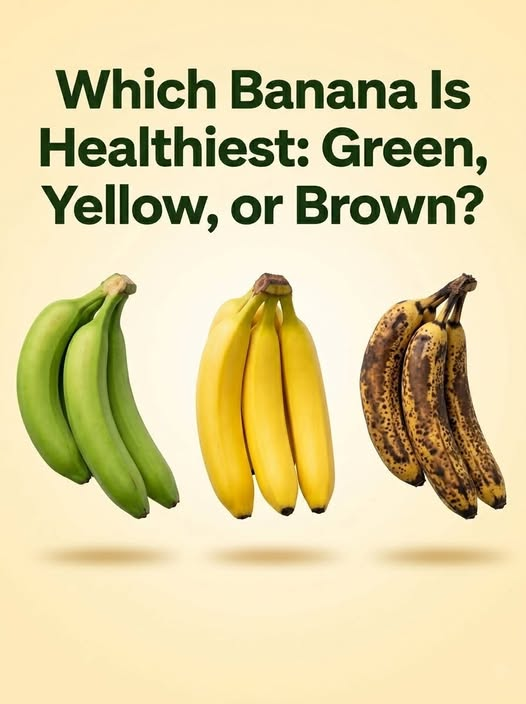
The transformation begins with the green banana, often overlooked because of its firmer texture and less sweet flavor. At this stage, the fruit contains high levels of resistant starch, a type of carbohydrate that resists digestion in the small intestine. Instead of spiking blood sugar like regular starches, it travels to the colon where it acts as prebiotic fiber, feeding beneficial gut bacteria. This process supports better digestion, promotes feelings of fullness, and helps stabilize energy levels throughout the day. For people managing blood sugar concerns, aiming for weight control, or seeking sustained focus without crashes, green bananas offer a strategic advantage. They provide the potassium and other nutrients bananas are famous for, but with a slower metabolic release that many find gentler on the system.
As the peel turns that classic bright yellow, the banana reaches its most popular and convenient phase. The resistant starch converts into simpler sugars—glucose, fructose, and sucrose—making it sweeter and easier to eat on the go. This is when bananas shine as a quick source of fuel, ideal before or after workouts or during busy mornings when your body needs readily available energy. The fiber content remains helpful for digestion, and you still get a solid dose of vitamins like B6, along with magnesium that supports muscle function. Most people naturally gravitate toward this stage because it balances taste and texture perfectly, but it’s worth noting that the glycemic impact is higher here than in greener options.
The real revelation comes with the spotted or fully brown banana that many automatically discard. Far from being past its prime, this stage represents a nutritional peak in several important ways. As ripening progresses, antioxidant compounds such as dopamine and catechins increase significantly. These substances help combat oxidative stress and inflammation, potentially offering immune support and cellular protection. The starches have almost completely broken down, making the fruit easier to digest for those with sensitive stomachs, older adults, or anyone recovering from illness. The softer texture and intensified sweetness also make brown bananas excellent for baking healthy treats or adding natural sweetness to oatmeal without extra sugar.
This ripening science explains why bananas can seem like different foods depending on when you eat them. The process involves enzymes breaking down complex structures, ethylene gas signaling maturation, and shifts in nutrient bioavailability. It’s a natural biological marvel rather than something to fear, but it does mean being intentional about selection. Athletes might prefer yellow for immediate carbs, while someone focused on gut health or steady blood sugar might stock up on greener ones that ripen gradually at home. Brown bananas, often the cheapest at the store, become hidden gems for smoothies, pancakes, or freezing for later use.
Of course, bananas aren’t perfect for everyone. Individuals with latex allergies sometimes experience cross-reactivity due to similar proteins, leading to mild oral itching or discomfort. Those with diabetes need to monitor portions and ripeness carefully, as browner bananas deliver sugars more rapidly. The solution lies in pairing strategies: combining any banana with protein or healthy fats like nuts, yogurt, or nut butter slows absorption and creates balanced snacks or meals. This approach lets you enjoy the benefits while minimizing potential downsides.
Beyond ripeness, bananas bring impressive overall nutrition to the table. They’re rich in potassium, which supports heart health and blood pressure regulation, and they provide quick hydration thanks to their water content. Vitamin C and various antioxidants add immune-boosting potential, while their portability makes them a superior alternative to processed snacks. In many parts of the world, bananas serve as a dietary staple that helps combat hunger and nutrient gaps affordably. The key is matching the right stage to your current needs rather than treating them all the same.
Practical tips can help you maximize bananas at home. Buy a mix of ripeness levels so you always have options ready. Store green ones at room temperature to ripen naturally, and once yellow, move them to the fridge to slow further browning if needed. Overripe bananas freeze beautifully for future baking or smoothies, preserving nutrients effectively. Experimenting with recipes tailored to each stage opens up variety—green banana flour for baking, yellow in classic snacks, and brown in creamy desserts or sauces.
Some concerns circulate online about pesticides, artificial ripening agents like calcium carbide, or other chemicals used in banana production. While industrial farming does involve protections against pests and disease, bananas generally have thick peels that limit residue on the edible part. Washing fruit and opting for organic when possible adds extra peace of mind, but the primary message from nutrition experts remains positive: bananas are safe and beneficial for most people when enjoyed as part of a varied diet. Focus more on ripeness and moderation than fear-based avoidance.
Incorporating this knowledge into daily habits can lead to better energy management, improved digestion, and more effective use of a humble grocery staple. Parents can teach kids about food as changing fuel sources, athletes can optimize performance, and anyone navigating health conditions can find tailored support from something as simple as a banana. The brown spots many throw away actually signal increased beneficial compounds worth celebrating.
Ultimately, bananas exemplify how food is dynamic and responsive to biology. By paying attention to color and texture, you transform an ordinary snack into a strategic health tool. The next time you reach for one, pause to assess what your body needs that day—steady fuel, quick energy, or antioxidant support. This mindful approach turns everyday eating into an opportunity for better wellness without complicated diets or expensive supplements.
Bananas have nourished people for centuries, and their versatility continues to make them relevant today. Rather than stopping or limiting them unnecessarily, embrace the full spectrum of what they offer across ripening stages. Your body, energy levels, and overall health will thank you for the thoughtful choices. Next grocery run, grab a bunch in varying shades and experiment with intention. That “life-changing” information isn’t about fear—it’s about empowerment through simple, delicious awareness that makes every banana count.
Most Popular!
-
 The Janitor’s Quiet Dignity: How His Granddaughter’s Graduation Speech Exposed Years of Cruelty and Changed Everything
-
The Neighbor Who Destroyed My Late Husband’s Final Gift to Our Daughter Learned the Hard Way That Some Things Can’t Be Painted Over
-
The Silent Invader Lurking in Millions of Bodies: Why HPV Could Be Hiding in You Right Now
-
That “Minor” Dizzy Spell Could Be Your Brain’s Desperate Warning of a Mini-Stroke—Here’s Why You Must Never Ignore It
-
The Heartbreaking Truth Brad Pitt’s Daughter Finally Shared About Growing Up With a Hollywood Icon
-
The Chilling Final Words of Oliver Tree: A Millionaire Musician’s Eerie Premonition Before His Tragic Death
-
Jennifer Lopez’s Stunning Pregnancy Announcement at 56 Sparks Hope and Conversations About Motherhood Later in Life
-
The Bride’s Heartless Lie About Her Dying Mother Exploded During Her Wedding Vows in the Most Shocking Way