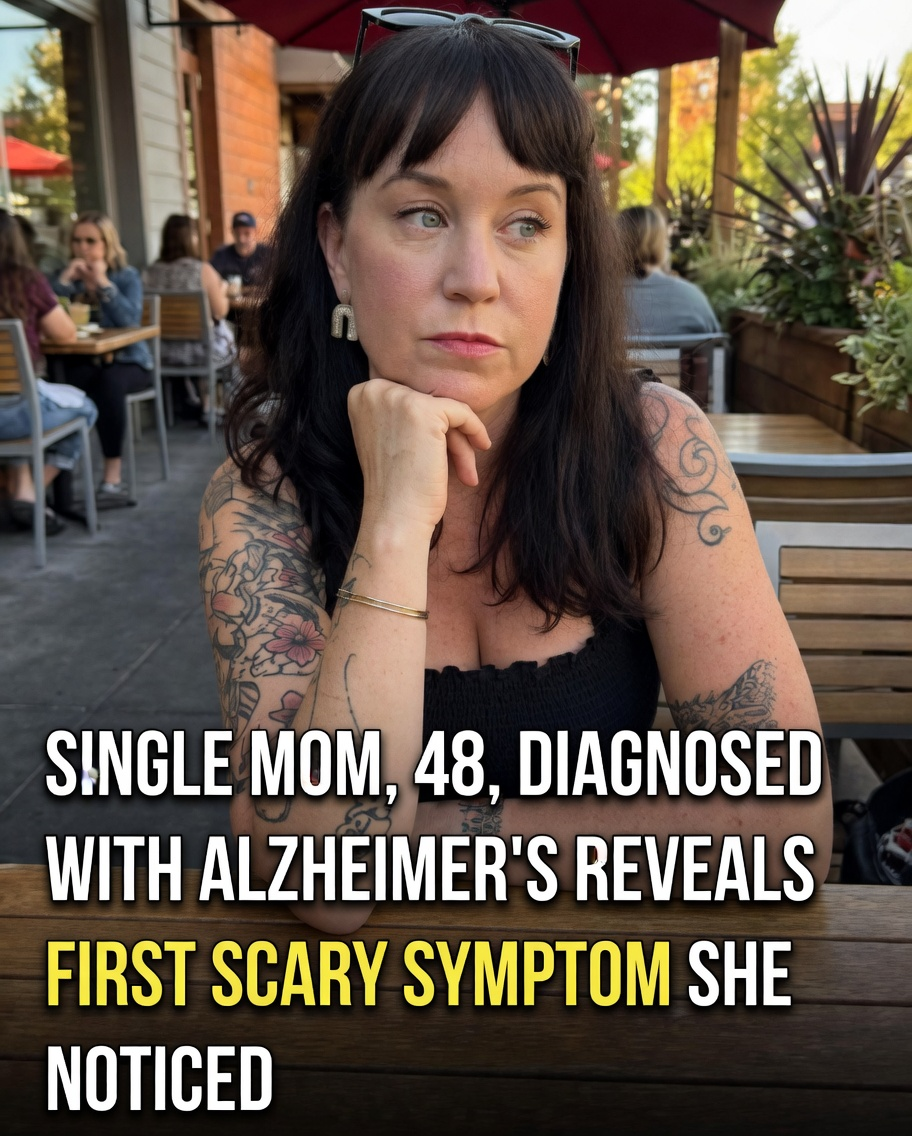
When Staci Marklin first noticed her memory slipping, she brushed it off as pregnancy brain. She was 44, pregnant with her son Gunnar, and juggling the demands of life as a registered nurse. But two years later, at just 46, she received a diagnosis that would shatter her world: early-onset Alzheimer’s disease. What started as mild forgetfulness quickly became something far more serious, and her story is now shining a light on how this devastating condition can strike much younger than most people realize.
Staci’s journey began with subtle changes that many women in their 40s might recognize. She experienced brain fog, struggled to find the right words, and occasionally mixed up everyday terms. At one point she asked someone to “move the carpet” when she meant “move the curtain.” These small slip-ups were easy to dismiss as perimenopause symptoms or the exhaustion that comes with new motherhood. But as a nurse who had cared for dementia patients, something deep inside told her this was different.
Family history added another layer of concern. Staci’s grandmother had Alzheimer’s, so she was familiar with the warning signs. Yet when she brought her worries to her doctor, she was reassured that early-onset dementia was “rare” at her age. This is a common experience for many younger patients. Symptoms are often misattributed to stress, hormonal changes, or burnout, causing precious time to be lost before a proper diagnosis.
The turning point came when Staci’s memory gaps became impossible to ignore. She once couldn’t remember a longtime colleague’s name for several days. Simple tasks started feeling overwhelming. Eventually, she left her nursing career and pursued more thorough testing. An amyloid PET scan confirmed the presence of plaques in her brain, and cognitive assessments placed her results in the bottom 0–10th percentile for her age group. At 46, she was officially diagnosed with early-onset Alzheimer’s.
Staci and her husband Erik sat together and cried when they received the news. Their lives had changed in an instant. But instead of hiding, Staci chose to share her story openly on TikTok under the handle @tryingnottoforget. Her videos, which have garnered hundreds of thousands of views, are raising awareness about how Alzheimer’s can affect people in their 40s and 50s — a group that is too often overlooked.
Early-onset Alzheimer’s, also known as young-onset dementia, affects people under 65. While it’s less common than the late-onset form, it tends to progress more aggressively and presents unique challenges. Many patients are still working, raising children, or caring for aging parents when symptoms appear. The emotional and financial toll on families can be overwhelming.
Staci’s experience highlights how important it is to take memory concerns seriously, especially with a family history. Early detection can open doors to treatments that may slow progression and improve quality of life. Lifestyle factors such as regular exercise, a heart-healthy diet, good sleep, and staying mentally active may also play protective roles.
For families supporting someone with early-onset Alzheimer’s, education and planning become essential. Legal documents, financial arrangements, and long-term care discussions should happen as early as possible while the person can still participate. Emotional support for both the patient and caregivers is equally critical.
Staci’s courage in sharing her diagnosis publicly is helping reduce stigma and encouraging others to seek answers sooner. Her story reminds us that Alzheimer’s doesn’t always wait until old age. It can appear during life’s busiest and most beautiful chapters, turning everything upside down.
If you or someone you love has noticed increasing forgetfulness, word-finding difficulties, or other cognitive changes, don’t dismiss them as normal aging or stress. Talk to a doctor. Ask for a thorough evaluation. Early intervention matters more than most people realize.
Staci Marklin is still fighting, still raising her young son, and still using her voice to educate others. Her diagnosis at 46 didn’t end her story — it gave her a powerful new purpose. In sharing her journey, she’s helping families recognize the early signs and reminding all of us to cherish every clear-minded moment we have.
Alzheimer’s may be a formidable opponent, but courage, awareness, and community can make the battle less lonely. If you’re concerned about your memory or a loved one’s, take that first step and speak with a healthcare professional. The earlier you know, the more time you have to plan, prepare, and make the most of every day.
Most Popular!
-
 Eggs, Cholesterol, and Timing: What Actually Matters for Most People
-
When a Partner Leaves With More Than a Suitcase: Protecting Yourself From Financial Betrayal
-
When Financial Support Meets Contempt: Recognizing Exploitation Inside a Marriage
-
Why Some Sensory Toys and Household “Hacks” Do Not Belong in the Microwave
-
When Grief Clouds Judgment: Misreading Silence and the Quiet Ways People Show Care
-
When One Partner Does All the Hosting: Recognizing Imbalance Before Resentment Takes Over
-
How Many Holes Are in a T-Shirt? What a Simple Puzzle Reveals About How We See
-
The Quiet Stories Inside Secondhand Objects: When a Thrift-Store Find Carries Someone Else’s History