Every parent has watched their child light up with pure joy during innocent play, that wide smile and enthusiastic thumbs-up capturing a moment of unfiltered happiness. For one Brazilian family, such a photo now serves as both a treasured memory and a painful final image of their seven-year-old son, Arthur Emanuel Bitencourt. What looked like harmless fun in a soft white pile turned tragic in minutes, highlighting how quickly preventable accidents can claim young lives when common hazards hide in plain sight. This story has touched hearts worldwide, sparking urgent conversations about child safety and the need for greater awareness around everyday construction materials.
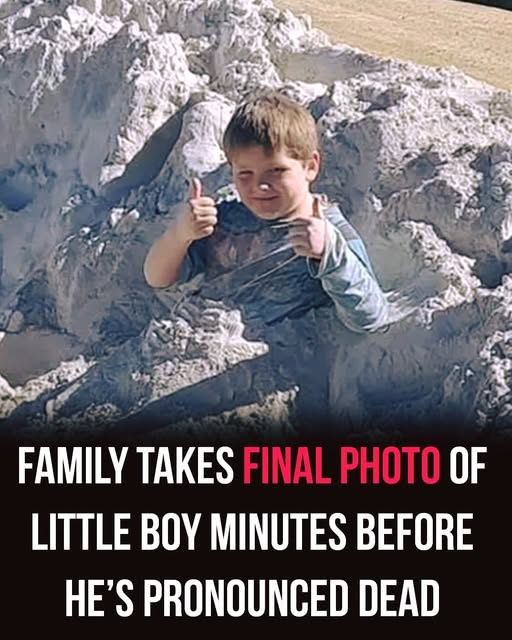
Arthur was a typical energetic boy from the Ipiranga neighborhood in Paraná, Brazil, full of curiosity and life. On that fateful day in August 2023, he spotted what appeared to be a large mound of inviting white sand near his home—perfect for jumping, digging, and playing. Like countless children before him, he dove in with excitement, posing for a photo with a bright smile and double thumbs-up that radiated pure childhood delight. His family captured the moment, never imagining it would become their last image of him alive. Just minutes later, the playful scene turned into a medical emergency as he began struggling to breathe.
The substance wasn’t sand at all. It was limestone powder, also known as lime dust, a common material used in construction, cement mixing, and agriculture. When disturbed, this fine powder becomes airborne easily, and inhaling large amounts can cause severe respiratory distress, chemical burns to the lungs, and rapid asphyxiation. Arthur’s young lungs couldn’t handle the onslaught. Despite his parents’ desperate rush to get him medical help, he passed away shortly after arriving at the hospital. The contrast between that joyful photo and the sudden loss has left many parents reflecting on their own neighborhoods and outdoor play areas.
Tragedies like Arthur’s underscore a harsh reality: children explore the world with wonder but lack the experience to recognize hidden dangers. Construction sites, roadwork leftovers, or even materials dumped temporarily by contractors create tempting playgrounds for little ones. Limestone and similar powders might look innocuous, but their alkaline nature makes them highly irritating to mucous membranes. Once inhaled, the particles can trigger inflammation, fluid buildup, and oxygen deprivation faster than many realize. This isn’t an isolated incident—similar cases involving industrial dusts or chemicals have occurred in various places, often tied to improper disposal or unsecured sites.
The family’s decision to share the smiling photo publicly wasn’t about seeking attention but raising awareness. In their grief, they hoped other parents would learn from their unimaginable pain. Social media amplified the image, with thousands sharing it alongside safety messages. It served as a stark visual warning: that innocent-looking pile could be anything from harmless dirt to a toxic hazard. Communities in Brazil and beyond responded with calls for stricter regulations on construction waste and better education for families living near development zones.
Prevention starts with vigilance in our own backyards and neighborhoods. Parents should teach children early about the difference between safe play materials and unknown substances. Simple rules like “never play in or near piles of powder, dirt from unknown sources, or construction areas” can save lives. Supervised outdoor time remains essential, especially in areas undergoing development or where materials are frequently transported. Taking a few extra minutes to inspect play spaces or reroute kids away from suspicious spots makes a critical difference.
Local authorities and construction companies also bear responsibility. Proper containment, signage, and prompt removal of leftover materials could prevent these accidents. In many regions, regulations exist but enforcement varies, particularly in residential areas where work happens sporadically. Advocacy for better safety standards, such as fencing off temporary sites or using covered transport for powders, could reduce risks substantially. Arthur’s case prompted discussions in Paraná about holding contractors more accountable for site cleanup.
Beyond the immediate hazard, this tragedy touches on broader child safety principles. Drowning, traffic accidents, and falls often dominate headlines, but environmental and chemical risks deserve equal attention. Educating kids about “stranger danger” is common, yet we must also cover “unknown substance danger.” Schools, pediatricians, and community programs can incorporate age-appropriate lessons using real stories—always sensitively—to help children internalize caution without instilling excessive fear.
For grieving families, sharing such photos can be part of healing while honoring the child’s memory. Arthur’s bright spirit lives on through the awareness his story creates. Many who saw the image reported checking their own neighborhoods more carefully or talking to kids about safe play. It transforms personal loss into a collective call for change, reminding us that one family’s heartbreak can protect others if we pay attention.
Practical safety tips emerge naturally from stories like this. Always supervise young children outdoors. Teach them not to disturb or play in unfamiliar piles, even if they look fun. Keep emergency numbers handy and know the signs of respiratory distress—coughing, wheezing, difficulty breathing—that require immediate action. For families near construction, engage with local workers or officials about potential hazards. Simple actions like installing temporary barriers or increasing oversight go a long way.
This incident also highlights the emotional weight parents carry. The guilt of “what if” can be overwhelming after such losses, yet experts emphasize focusing on prevention moving forward rather than self-blame. Support networks, counseling, and connecting with other affected families provide space to process grief. Arthur’s parents chose to channel sorrow into advocacy, a courageous step that resonates deeply with anyone who has lost a child unexpectedly.
On a societal level, Arthur’s story fuels important dialogues about urban planning and child-friendly environments. As cities grow and construction expands, ensuring safe play spaces becomes more vital. Parks, playgrounds with clear boundaries, and community watch programs help mitigate risks. Technology, such as apps alerting residents to nearby work sites, could add another layer of protection in the future.
Ultimately, the image of that smiling boy with thumbs up stands as both celebration and caution. It captures the essence of childhood—fearless exploration and boundless joy—while warning us of the world’s hidden edges. Parents everywhere can draw strength from Arthur’s memory by committing to heightened awareness without wrapping children in bubble wrap. Balance curiosity with guidance, freedom with supervision.
No family should endure what Arthur’s went through. By learning from this preventable loss, we honor his short life and protect countless others. Check your surroundings today. Talk to your kids about unknown powders and materials. Support safer practices in your community. These small steps, inspired by one boy’s bright smile frozen in time, can help ensure more children get to enjoy playtime without tragedy interrupting their laughter. In remembering Arthur, we recommit to making the world a little safer for the next generation of curious explorers.
Most Popular!
-
 The Janitor’s Quiet Dignity: How His Granddaughter’s Graduation Speech Exposed Years of Cruelty and Changed Everything
-
The Neighbor Who Destroyed My Late Husband’s Final Gift to Our Daughter Learned the Hard Way That Some Things Can’t Be Painted Over
-
The Silent Invader Lurking in Millions of Bodies: Why HPV Could Be Hiding in You Right Now
-
That “Minor” Dizzy Spell Could Be Your Brain’s Desperate Warning of a Mini-Stroke—Here’s Why You Must Never Ignore It
-
The Heartbreaking Truth Brad Pitt’s Daughter Finally Shared About Growing Up With a Hollywood Icon
-
The Chilling Final Words of Oliver Tree: A Millionaire Musician’s Eerie Premonition Before His Tragic Death
-
Jennifer Lopez’s Stunning Pregnancy Announcement at 56 Sparks Hope and Conversations About Motherhood Later in Life
-
The Bride’s Heartless Lie About Her Dying Mother Exploded During Her Wedding Vows in the Most Shocking Way