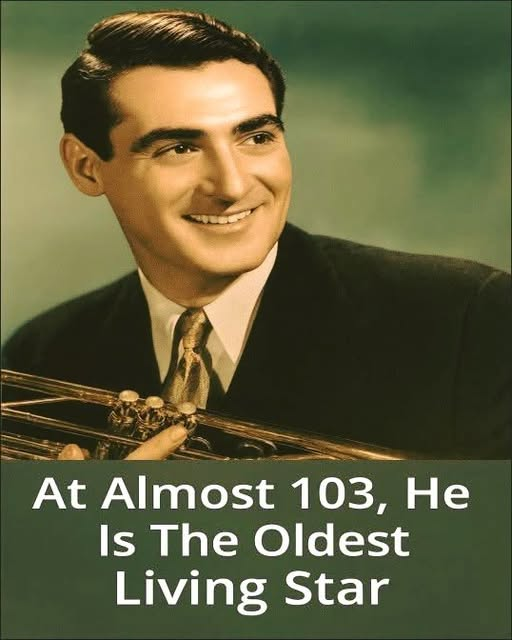
In an industry famous for its short-lived stars and constant reinvention, very few figures manage to outlast entire eras. Ray Anthony stands as one of those rare exceptions—a vibrant 103-year-old trumpeter, bandleader, and entertainer whose career stretches from the swing-filled dance halls of the 1940s right into the present day. His life reads like a living history book of American popular music and entertainment, offering a direct link to the glamour of Hollywood’s Golden Age when big bands ruled the airwaves and film soundstages came alive with orchestral energy. What makes his story so compelling isn’t just the impressive number of years but the enduring passion and adaptability that allowed him to thrive across decades of massive cultural shifts.
Born Raymond Antonini on January 20, 1922, in Bentleyville, Pennsylvania, Ray grew up in a time when jazz and swing were transforming the nation’s musical landscape. Moving to Cleveland as a child, he began studying trumpet under his father’s guidance, developing skills that would soon open major doors. By his late teens, he had already joined one of the most iconic groups in music history: Glenn Miller’s Orchestra. Playing alongside legends during the height of the Big Band era, Ray contributed to the soundtrack of a generation navigating World War II. His appearance in the 1941 film Sun Valley Serenade with the Miller band cemented early Hollywood connections that would shape much of his later career.
After serving in the U.S. Navy during the war—where he led his own service band entertaining troops—Ray returned ready to carve his own path. In the competitive post-war music scene, he formed the Ray Anthony Orchestra, quickly rising to prominence in the early 1950s. Hits like “The Bunny Hop” and “Hokey Pokey” became dance floor staples, sparking nationwide crazes that had people of all ages linking arms and moving in joyful synchrony. These lively instrumentals captured the optimistic spirit of a country rebuilding and embracing leisure after years of hardship. Ray’s smooth trumpet tone and charismatic stage presence made him a natural fit for both recordings and live performances that drew packed crowds across the country.
Beyond dance crazes, Ray left an indelible mark on television and film scoring. His orchestra recorded the memorable theme for the hit series Dragnet in 1951, followed by a popular take on Peter Gunn years later. These themes became cultural touchstones, instantly recognizable and evocative of the era’s detective dramas and cool sophistication. He hosted his own variety show in the mid-1950s, bringing big band energy into American living rooms during the early days of television. This crossover success highlighted his versatility—equally comfortable in recording studios, on concert stages, or in front of TV cameras—during Hollywood’s transition from the studio system’s peak into the modern entertainment landscape.
Personal life added another layer of classic Hollywood glamour. Ray’s marriage to actress Mamie Van Doren, a prominent blonde bombshell of the 1950s, placed him firmly in the spotlight of celebrity culture. The union, though relatively brief, reflected the era’s intersections between musicians and screen stars. He continued building businesses too, including music publishing, a nightclub, and even his own record label later on. These entrepreneurial efforts demonstrated a sharp business mind alongside his artistic talents, helping sustain his career as musical tastes evolved from swing to rock and beyond.
What truly sets Ray apart is his remarkable longevity and continued connection to music well into his later decades. He toured with big bands for years, eventually scaling down to smaller combos while maintaining an active presence in Las Vegas and other venues. Even after officially retiring in the late 1990s, his legacy endured through reissues of his recordings and the admiration of new generations discovering classic jazz and swing. As the last surviving member of Glenn Miller’s original orchestra, Ray carries the torch for a bygone sound that still resonates with fans seeking timeless elegance and joy in music.
His story offers valuable lessons about adaptability and passion. In an age where trends come and go rapidly, Ray navigated shifts from big band dominance to the rise of rock ‘n’ roll, television, and digital media without losing his core identity as a trumpeter and entertainer. He embraced new opportunities while honoring musical roots, showing that staying relevant often means blending tradition with forward momentum. For aspiring musicians today, his career illustrates the power of technical skill combined with showmanship and resilience through changing times.
Health and lifestyle likely play roles in his extraordinary vitality. Stories of centenarians often highlight balanced routines, social connections, and a sense of purpose—elements Ray seemed to cultivate through lifelong involvement in music and community. Performing and leading bands kept him mentally sharp and physically active, while the camaraderie of fellow musicians provided ongoing inspiration. In interviews over the years, he expressed a simple love for playing that never faded, suggesting that genuine passion might be one of the best preservatives for a long, fulfilling life.
Ray Anthony’s journey also reflects broader changes in American entertainment. The Golden Age of Hollywood and its overlapping Big Band era represented a time of collective cultural experiences—dance halls filled with couples, radio broadcasts uniting families, and films that captured national moods. Today, with fragmented media consumption, his life reminds us of the unifying power of live music and shared performances. Modern revivals of swing dancing and interest in vintage jazz owe a debt to pioneers like him who kept the spirit alive.
For fans and newcomers alike, exploring Ray’s catalog opens a window into mid-20th century America. Tracks like his version of “At Last” or energetic dance numbers transport listeners to a more optimistic, melody-rich period. His contributions extended to acting appearances and collaborations with major stars, rounding out a multifaceted career that touched multiple facets of show business. At over 100 years old, he stands as proof that talent, hard work, and a positive outlook can create a legacy that defies typical career timelines.
Reflecting on figures like Ray encourages us to value living links to history. In a fast-paced world, hearing directly from someone who performed during World War II, witnessed the birth of television, and adapted through countless musical revolutions feels increasingly precious. His continued presence inspires not just nostalgia but appreciation for the enduring appeal of well-crafted music that transcends generations. Younger artists can draw motivation from his persistence, while older fans find comfort in the continuity he represents.
As we celebrate stories of remarkable longevity, Ray Anthony’s life stands out for its blend of artistic achievement and quiet endurance. From Pennsylvania roots to Hollywood stages and beyond, he embodied the American dream through melody and rhythm. His trumpet helped define an era and continues to echo through recordings that new listeners discover daily. In many ways, he remains the last living icon who connects us to a golden period of glamour, swing, and unapologetic entertainment joy.
Whether you’re a longtime big band enthusiast or someone just learning about this musical giant, Ray’s story invites us to slow down and appreciate the timeless power of live performance. His defiance of time isn’t just about reaching an impressive age—it’s about living fully, creating meaningfully, and sharing gifts that outlast any single spotlight. In an ever-changing cultural landscape, voices like his remind us of music’s ability to heal, unite, and endure. Here’s to hoping his legacy continues inspiring trumpet players, dancers, and dreamers for many years to come.
Most Popular!
-
 The Janitor’s Quiet Dignity: How His Granddaughter’s Graduation Speech Exposed Years of Cruelty and Changed Everything
-
The Neighbor Who Destroyed My Late Husband’s Final Gift to Our Daughter Learned the Hard Way That Some Things Can’t Be Painted Over
-
The Silent Invader Lurking in Millions of Bodies: Why HPV Could Be Hiding in You Right Now
-
That “Minor” Dizzy Spell Could Be Your Brain’s Desperate Warning of a Mini-Stroke—Here’s Why You Must Never Ignore It
-
The Heartbreaking Truth Brad Pitt’s Daughter Finally Shared About Growing Up With a Hollywood Icon
-
The Chilling Final Words of Oliver Tree: A Millionaire Musician’s Eerie Premonition Before His Tragic Death
-
Jennifer Lopez’s Stunning Pregnancy Announcement at 56 Sparks Hope and Conversations About Motherhood Later in Life
-
The Bride’s Heartless Lie About Her Dying Mother Exploded During Her Wedding Vows in the Most Shocking Way