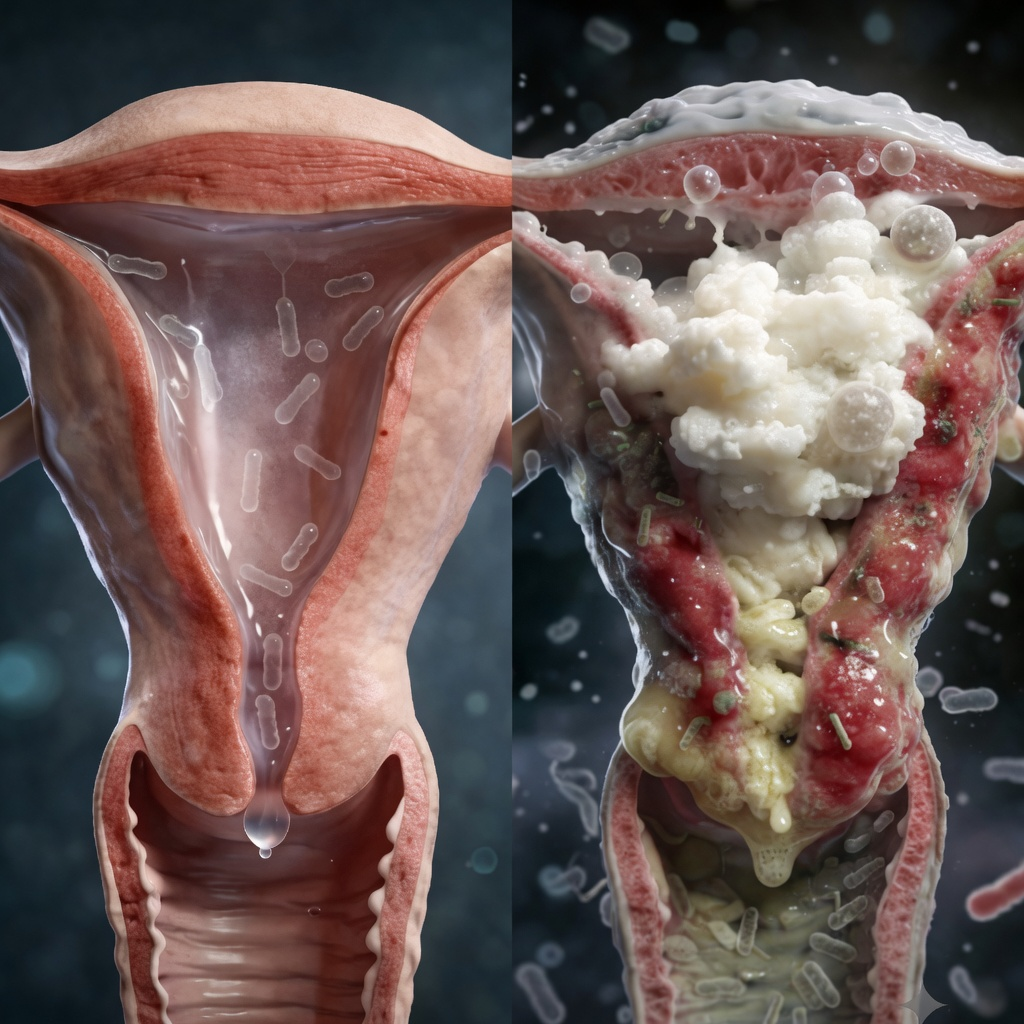
Many men go through life assuming their intimate health will take care of itself. After all, as long as everything “works” when needed, why worry? But the truth is far more concerning. Some of the most common daily habits — things most guys do without a second thought — are quietly damaging sexual function, hormone balance, and overall wellbeing. The scariest part? These issues often build slowly over years, showing up as fatigue, performance problems, or discomfort long before men connect the dots. The good news is that recognizing these habits early can help you reverse the damage and reclaim your vitality.
One of the biggest silent destroyers is chronic dehydration. Most men walk around mildly dehydrated without realizing it, especially if they rely on coffee, energy drinks, or alcohol to get through the day. Proper hydration is essential for blood flow, hormone production, and tissue health in intimate areas. When you’re dehydrated, everything from arousal to stamina suffers. Simple fix: aim for at least half your body weight in ounces of water daily, and watch how much better you feel within weeks.
Sitting for long periods is another hidden culprit. Whether it’s at a desk job, during a long commute, or binge-watching in the evening, prolonged sitting compresses blood vessels and weakens pelvic floor muscles. This directly impacts circulation to intimate areas and can contribute to issues like erectile dysfunction over time. Make it a habit to stand up and move every 30–45 minutes. Even short walks or simple stretches can make a surprising difference in energy and performance.
Poor sleep habits are devastating for male hormones. Testosterone, the key driver of libido and muscle maintenance, is mostly produced during deep sleep. Chronic sleep deprivation or poor sleep quality tanks those levels, leading to low energy, mood issues, and declining intimate health. Many men proudly boast about functioning on five or six hours of sleep, but the body pays the price. Prioritize seven to nine hours in a cool, dark room, and consider winding down without screens an hour before bed.
Another common mistake is over-relying on processed foods and sugar. These cause inflammation and blood sugar spikes that damage blood vessels over time — critical for healthy intimate function. A diet heavy in fast food, sodas, and snacks might feel convenient, but it quietly undermines energy, stamina, and hormone balance. Focus on whole foods, healthy fats, and plenty of vegetables. The improvement in how you feel and perform can be dramatic within a month.
Stress management is often overlooked until it’s too late. Chronic stress floods the body with cortisol, which suppresses testosterone and affects blood flow. Many men push through high-pressure careers and family responsibilities without addressing the mental load. This leads to burnout that shows up in the bedroom as much as in daily life. Simple practices like meditation, deep breathing, or even regular exercise can lower stress hormones and restore balance.
Excessive alcohol consumption is another stealthy saboteur. While a drink or two might feel relaxing, regular heavy drinking disrupts hormone production, damages liver function, and impairs nerve signals needed for arousal. It also contributes to weight gain around the midsection, which further lowers testosterone. Cutting back or taking regular alcohol-free periods can lead to noticeable improvements in energy, mood, and intimate performance.
Smoking or vaping might seem like a harmless habit for stress relief, but the damage to blood vessels is real and cumulative. Reduced circulation affects every part of the body, including intimate areas where healthy blood flow is essential. Quitting is one of the best things you can do for long-term health. Many men notice better stamina and performance within weeks of stopping.
Overtraining without proper recovery can also backfire. While exercise is crucial for testosterone and overall health, pushing too hard without rest days or proper nutrition can lead to elevated cortisol and burnout. Balance intense workouts with rest, mobility work, and adequate protein intake to keep your body performing at its best.
Finally, ignoring regular health check-ups is a mistake too many men make. Annual physicals, prostate screenings when appropriate, and hormone testing can catch issues early before they become major problems. Many intimate health concerns are highly treatable when addressed promptly.
The good news is that small, consistent changes in these areas can lead to significant improvements. Your body is remarkably resilient when given the right support. Start with better hydration and sleep, then gradually address diet, stress, and movement. The difference in how you feel — both in daily life and in intimate moments — can be life-changing.
Intimate health is deeply connected to overall wellbeing. When you take care of your body, everything else improves. Don’t wait for problems to appear before making changes. Your future self — and your partner — will thank you for it. Small habits practiced consistently create the foundation for lasting vitality and confidence at any age.
Most Popular!
-
 Eggs, Cholesterol, and Timing: What Actually Matters for Most People
-
When a Partner Leaves With More Than a Suitcase: Protecting Yourself From Financial Betrayal
-
When Financial Support Meets Contempt: Recognizing Exploitation Inside a Marriage
-
Why Some Sensory Toys and Household “Hacks” Do Not Belong in the Microwave
-
When Grief Clouds Judgment: Misreading Silence and the Quiet Ways People Show Care
-
When One Partner Does All the Hosting: Recognizing Imbalance Before Resentment Takes Over
-
How Many Holes Are in a T-Shirt? What a Simple Puzzle Reveals About How We See
-
The Quiet Stories Inside Secondhand Objects: When a Thrift-Store Find Carries Someone Else’s History