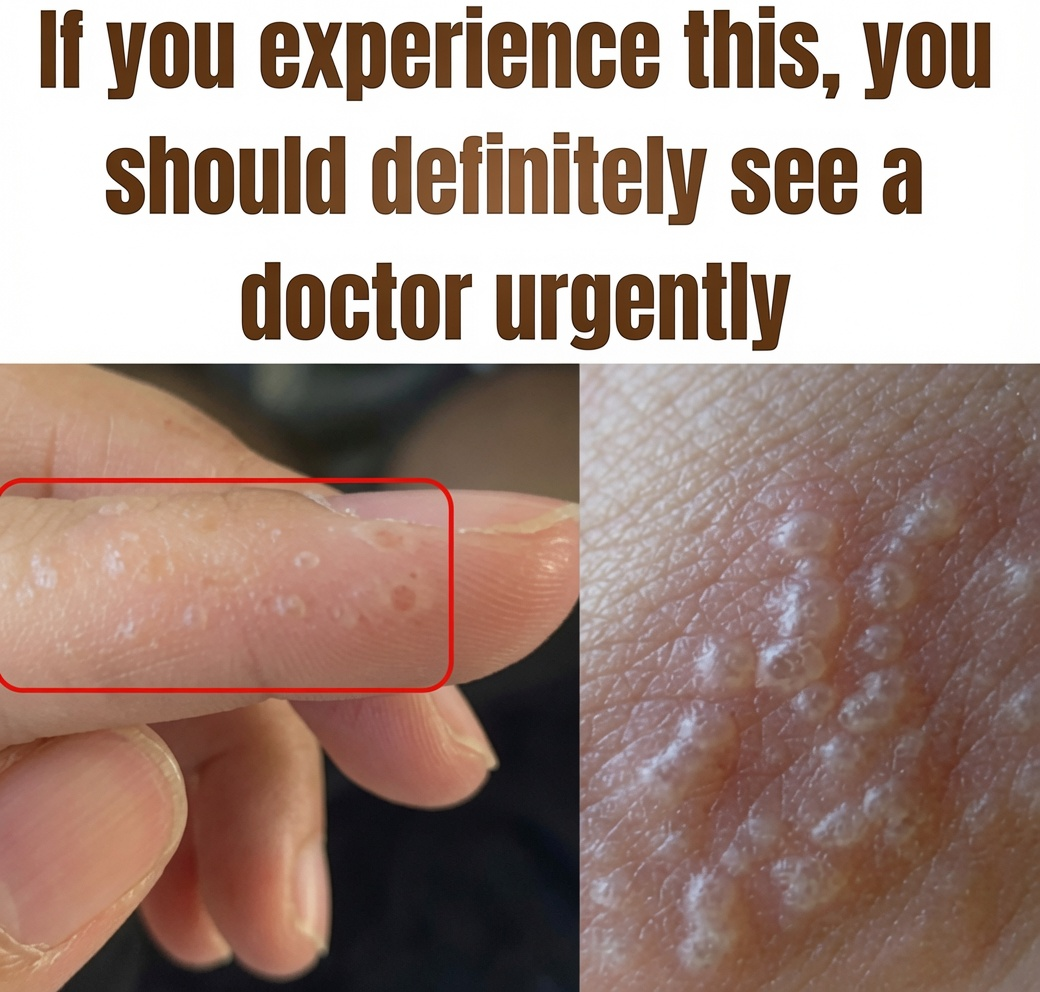
Discovering clusters of small, itchy bumps or fluid-filled blisters on your palms, fingers, or soles of your feet can be both uncomfortable and concerning. This common yet often misunderstood condition is known as dyshidrotic eczema, also called pompholyx. While not contagious, it can significantly impact daily activities and quality of life if not properly managed. Learning to recognize the signs and understand potential triggers empowers you to seek effective relief and prevent frequent flare-ups.
Dyshidrotic eczema belongs to the broader family of eczema disorders characterized by skin inflammation and an overactive immune response. It typically manifests as deep-seated, intensely itchy vesicles that may appear suddenly. These blisters can cause burning sensations, redness, swelling, and cracking as they dry out. The condition tends to affect areas with many sweat glands, explaining its preference for hands and feet.
Who gets dyshidrotic eczema and why
People with a personal or family history of atopic conditions—like eczema, asthma, or seasonal allergies—face higher risk. Environmental and lifestyle factors play substantial roles in triggering episodes. Common culprits include stress, excessive sweating, exposure to irritants such as harsh soaps, detergents, metals (especially nickel), and certain fragrances. Seasonal changes often worsen symptoms, particularly during spring and summer when pollen counts rise and humidity increases sweat production.
The exact cause remains complex, involving genetic predisposition combined with external triggers that provoke an inflammatory response in susceptible individuals. Unlike some skin conditions, dyshidrotic eczema is not caused by poor hygiene but rather by how the skin reacts to various stimuli.
Recognizing symptoms and getting proper diagnosis
Early signs often include tingling or burning before visible blisters emerge. The small, tapioca-like vesicles may merge into larger areas of irritation. As blisters resolve, skin can become dry, cracked, and prone to painful fissures. Secondary bacterial infections sometimes develop if scratching breaks the skin barrier.
A dermatologist usually diagnoses dyshidrotic eczema based on clinical appearance and medical history. They may perform patch testing to identify specific allergens or rule out fungal infections and other similar conditions. Accurate diagnosis ensures appropriate treatment rather than trial-and-error approaches that delay relief.
Effective management and treatment options
While no permanent cure exists, most people achieve good control through consistent care. Treatment strategies focus on reducing inflammation, relieving itch, and restoring the skin barrier. Topical corticosteroids remain a mainstay for calming active flares. Moisturizers, particularly thick ointments applied frequently, help prevent dryness and cracking. Antihistamines can ease intense itching that disrupts sleep or concentration.
For stubborn cases, dermatologists might recommend light therapy (phototherapy), oral medications, or other advanced treatments. Cold compresses provide immediate soothing relief during acute episodes. Avoiding known triggers represents one of the most powerful tools in long-term management.
Lifestyle adjustments that make a difference
Prevention revolves around minimizing exposure to irritants and managing stress effectively. Choose fragrance-free, gentle cleansers and wear protective gloves during chores involving water or chemicals. Cotton socks and breathable footwear help reduce sweating on the feet. Stress-reduction techniques such as meditation, exercise, or counseling benefit both mental well-being and skin health.
Dietary awareness helps some individuals. While not universally effective, tracking potential food triggers like dairy, gluten, or nickel-rich foods can reveal personal patterns worth addressing. Staying hydrated and maintaining overall wellness supports skin resilience.
Living well with dyshidrotic eczema
The chronic nature of dyshidrotic eczema can feel frustrating, but most people experience significant improvement with proper strategies. Working closely with healthcare providers allows for personalized plans that evolve with your needs. Many find that combining medical treatments with lifestyle modifications dramatically reduces flare frequency and severity.
Support communities and educational resources offer valuable tips from others navigating the same condition. Sharing experiences reduces isolation and provides practical insights that complement professional medical advice.
When to seek professional help
Consult a dermatologist if you experience recurring itchy blisters, painful cracking, signs of infection, or symptoms that interfere with work or daily activities. Early intervention often leads to better outcomes and prevents complications like chronic skin thickening or secondary infections.
Your skin deserves attentive care. By understanding dyshidrotic eczema and responding proactively, you can minimize discomfort and maintain confidence in your daily life. Small consistent habits often yield the biggest improvements in managing this challenging but controllable condition.
Most Popular!
-
 Eggs, Cholesterol, and Timing: What Actually Matters for Most People
-
When a Partner Leaves With More Than a Suitcase: Protecting Yourself From Financial Betrayal
-
When Financial Support Meets Contempt: Recognizing Exploitation Inside a Marriage
-
Why Some Sensory Toys and Household “Hacks” Do Not Belong in the Microwave
-
When Grief Clouds Judgment: Misreading Silence and the Quiet Ways People Show Care
-
When One Partner Does All the Hosting: Recognizing Imbalance Before Resentment Takes Over
-
How Many Holes Are in a T-Shirt? What a Simple Puzzle Reveals About How We See
-
The Quiet Stories Inside Secondhand Objects: When a Thrift-Store Find Carries Someone Else’s History