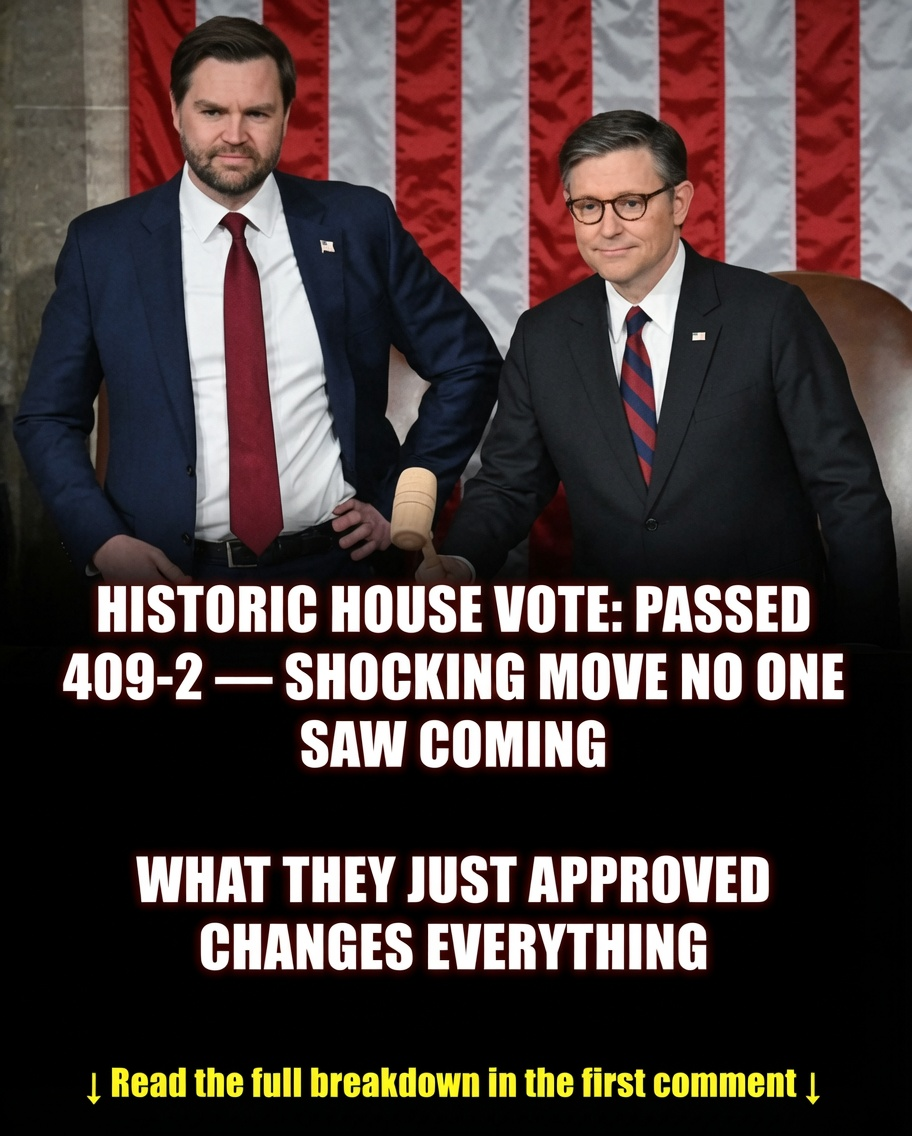
The U.S. House of Representatives has passed the TAKE IT DOWN Act, legislation aimed at addressing the growing problem of non-consensual deepfake imagery and revenge porn. The bill represents a significant legislative effort to provide victims with faster recourse when intimate images are distributed without consent, particularly those created or altered using artificial intelligence technology.
The legislation targets the increasingly sophisticated use of AI to generate realistic fake intimate images, a form of digital abuse that has proliferated with advancing technology. Victims, predominantly women and girls, often face devastating personal and professional consequences when such content spreads online. The bill seeks to streamline the process for removing this harmful material from internet platforms.
Key provisions of the legislation
The TAKE IT DOWN Act would require online platforms to remove qualifying non-consensual intimate imagery within specified timeframes after receiving valid notice from victims. It establishes clear procedures for content removal while attempting to balance free speech considerations and platform responsibilities. The legislation includes provisions specifically addressing AI-generated content, recognizing the unique challenges this technology presents for identification and removal.
Supporters argue that existing laws have not kept pace with technological advancement, leaving victims without adequate protection against rapidly evolving forms of digital abuse. The bill aims to create more effective mechanisms for content removal while holding platforms more accountable for addressing reported violations.
Broader context of digital abuse
Non-consensual intimate imagery represents a particularly vicious form of harassment that can follow victims indefinitely across the internet. Traditional revenge porn laws have struggled to address AI-generated content, which blurs the line between real and fabricated material. The psychological impact on victims remains devastating regardless of whether images are authentic or artificially created.
The legislation reflects growing bipartisan recognition that technological advancement requires corresponding updates to legal frameworks. As AI tools become more accessible, the potential for misuse in creating harmful content increases significantly. Lawmakers from both parties have expressed support for measures that protect individuals while preserving important free speech principles.
Challenges and considerations
Implementing effective legislation in this area involves complex technical and legal challenges. Distinguishing between consensual and non-consensual content, verifying claims, and preventing abuse of removal processes all require careful consideration. Platforms must balance rapid response to legitimate complaints with avoiding over-censorship or wrongful takedowns.
Privacy advocates emphasize the importance of due process and clear standards for content removal. Free speech concerns focus on ensuring that legitimate expression, including artistic or political content, isn’t inadvertently suppressed. Finding the right balance remains an ongoing challenge as technology continues evolving.
Impact on victims and prevention
For victims of deepfake revenge imagery, faster removal processes could significantly reduce ongoing harm and emotional distress. The perpetual nature of online content has made traditional legal remedies insufficient for addressing digital abuse effectively. This legislation represents an attempt to modernize legal responses to match current technological realities.
Prevention efforts remain equally important. Education about digital consent, responsible technology use, and recognizing warning signs of abuse can help reduce incidents. Supporting victims through counseling and legal assistance continues playing a crucial role alongside legislative measures.
The path forward
The House passage of the TAKE IT DOWN Act marks an important step, though the bill must still navigate the Senate and potential presidential approval. Its ultimate success will depend on effective implementation and ongoing adaptation as technology continues advancing.
This legislative effort highlights the broader challenge of governing rapidly evolving technology while protecting individual rights and dignity. As AI capabilities expand, society must develop corresponding ethical frameworks, legal protections, and technological solutions. The TAKE IT DOWN Act represents one piece of this larger puzzle, focusing specifically on protecting individuals from harmful non-consensual imagery.
The conversation about digital ethics, online safety, and technological governance will undoubtedly continue evolving. Finding the right balance between innovation and protection remains an ongoing societal challenge that requires input from technologists, legal experts, policymakers, and affected communities. For now, the House’s action on this legislation signals increasing recognition that addressing digital abuse requires updated tools and approaches suited to modern technological realities.
Most Popular!
-
 Mystery Deepens After Elderly Woman’s Disappearance as Investigators Search for Answers
-
Marriage Burnout – Recognizing the Signs and Finding Your Way Back
-
Jennifer Garner’s Heartwarming Actions Towards Wheelchair-Bound Homeless Man
-
If There Is a Will, There Is a Way – The Incredible Transformation of This Miserable Kitchen
-
Shelley Fabares Offered a Tender and Nostalgic Rendition of “Johnny Angel”
-
If You Hit Your Head, Watch Out for These Symptoms That Can Show Up Even Days Later
-
Baggage Handler Reveals Shocking Reason You Should Never Tie a Ribbon on Your Luggage
-
Motorcycle Club Arrested After Protecting a Waitress When Police Refused Help