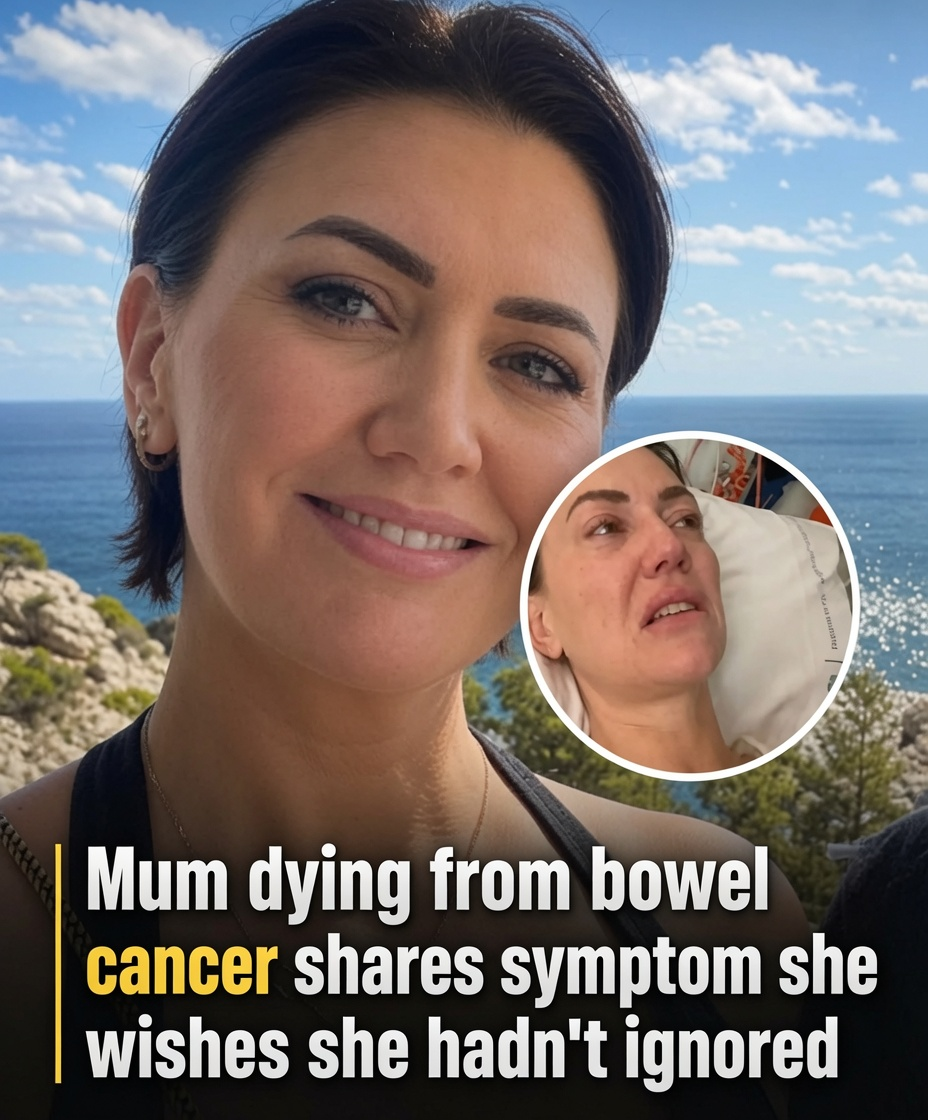
Sarah Thompson always considered herself the picture of health. At 42, she ran half-marathons, ate mostly plant-based meals, and rarely missed a day of movement. She was the mom who packed organic lunches, led school fitness challenges, and inspired her friends to stay active. So when she started noticing a few odd symptoms, she brushed them off as normal parts of a busy life. Fatigue after long runs? Probably just overtraining. Occasional stomach discomfort? Maybe too much coffee. Changes in her bathroom habits? Surely nothing serious. Like many healthy, active women, Sarah believed her lifestyle protected her from major illness. She was wrong. What began as subtle, easy-to-ignore signs eventually led to a stage 2 bowel cancer diagnosis that shocked everyone who knew her. Her story is a powerful reminder that cancer doesn’t always strike the unhealthy or sedentary — and that listening to your body can make all the difference between early detection and a much harder fight.
Sarah’s journey started with what seemed like minor digestive changes. She noticed her bowel movements became slightly more irregular, sometimes alternating between loose and harder to pass. She attributed it to her high-fiber diet and increased running mileage. “I thought I was just being more regular,” she later shared. But over several months, the changes persisted and became more noticeable. She started seeing blood in her stool on a few occasions, but dismissed it as hemorrhoids from intense workouts. Many active women make this same assumption because they associate rectal bleeding with physical strain rather than something more serious. What Sarah didn’t realize was that even small amounts of blood can signal polyps or early tumors in the colon or rectum.
Another subtle sign that crept up on her was persistent fatigue that rest didn’t fully resolve. As a mom of two who balanced work and training, Sarah was used to feeling tired. But this exhaustion felt different — heavier, more constant, even on days when she slept well. She pushed through it, increasing her iron-rich foods and B vitamins, thinking she might be slightly anemic from heavy periods. Unexplained fatigue is one of the most commonly ignored cancer symptoms because it mimics so many other conditions. In Sarah’s case, it stemmed from slow, chronic blood loss that her body was struggling to compensate for over time.
Unintentional weight loss followed. Sarah had always maintained a healthy weight through her active lifestyle, so when she dropped several pounds without changing her diet or exercise routine, she initially celebrated it. Friends complimented her “glow” and asked for her secret. Only later did she understand that this wasn’t healthy weight loss. It was her body’s response to cancer cells consuming energy and nutrients while inflammation affected her metabolism. Many women in midlife welcome unexpected weight loss without questioning it, especially if they’ve been trying to slim down. Sarah’s experience shows how important it is to investigate changes that don’t make sense in the context of your normal habits.
Abdominal discomfort became more frequent but remained vague. Sarah described it as occasional bloating or mild cramping that she blamed on her menstrual cycle or certain foods. She tried probiotics, adjusted her diet, and used over-the-counter remedies. What she didn’t do was mention it to her doctor during routine check-ups. “I didn’t want to seem like a hypochondriac,” she admitted later. This hesitation is incredibly common among busy, health-conscious women who pride themselves on resilience. Persistent or recurring abdominal pain, especially when paired with changes in bowel habits, deserves professional evaluation rather than self-diagnosis.
Sarah’s story highlights how easily these symptoms can be rationalized away. She was fit, ate well, didn’t smoke, and had no family history of colorectal cancer. In her mind, that meant she was safe. The reality is that colorectal cancer is increasingly affecting younger adults, including many who lead healthy lifestyles. Risk factors like genetics, chronic inflammation, and even environmental exposures can play roles that aren’t immediately obvious. Regular screening starting at age 45 (or earlier with risk factors) remains one of the most effective ways to catch problems early when they’re highly treatable.
After her diagnosis, Sarah underwent surgery to remove the tumor followed by chemotherapy. The experience was challenging, but she approached it with the same determination that defined her pre-cancer life. She documented her journey honestly on social media, hoping to encourage others to take subtle symptoms seriously. Her message resonated deeply with women who recognized themselves in her story — active moms who pushed through discomfort because life was busy and they felt “too healthy” to be seriously ill.
The good news is that colorectal cancer caught early has excellent survival rates. Sarah’s stage 2 diagnosis meant the cancer hadn’t spread to distant organs, giving her a strong chance at full recovery. She now advocates passionately for regular colonoscopies and paying attention to changes in bowel habits, unexplained weight loss, fatigue, and rectal bleeding. She encourages women to overcome embarrassment and discuss these topics openly with their doctors. “Your symptoms aren’t annoying or gross,” she often says. “They’re information that could save your life.”
Prevention and early detection remain our best tools. Maintaining a healthy weight, staying physically active, eating a diet rich in fiber and vegetables, limiting processed meats and alcohol, and avoiding smoking all reduce risk. For those with family history or other risk factors, earlier and more frequent screening is recommended. Even without risk factors, don’t wait for dramatic symptoms. Subtle, persistent changes deserve attention.
Sarah’s recovery journey included dietary adjustments, regular exercise (modified during treatment), and emotional support from family and a strong online community. She returned to running gradually and now participates in charity races that raise awareness for colorectal cancer. Her children learned valuable lessons about listening to their bodies and advocating for their health. Her husband became more involved in meal planning and household responsibilities, strengthening their partnership through the challenge.
If you’re experiencing any persistent changes in your digestive health — irregular bowel movements, blood in stool, unexplained fatigue, abdominal discomfort, or unintentional weight loss — schedule a conversation with your doctor. Don’t wait for symptoms to become severe. Bring a list of concerns and be specific about how long they’ve been happening and what you’ve tried. Early detection through colonoscopy or other screening methods can identify precancerous polyps before they become dangerous.
Sarah’s story isn’t meant to scare but to empower. She went from feeling invincible to facing cancer head-on, and she emerged stronger and more aware. Her experience reminds us that health isn’t guaranteed by a healthy lifestyle alone. It requires ongoing attention and the willingness to seek help when something feels off. The woman who once ignored subtle signs now shares her story so others don’t make the same mistake.
Take a moment today to check in with your own body. Are there changes you’ve been dismissing? Make that appointment. Ask those questions. Your future self — and everyone who loves you — will be grateful you did. Early action truly can make all the difference between a difficult journey and a preventable one. Listen to your body. It’s trying to tell you something important.
Most Popular!
-
 The Woman at the Cafe: How a Simple Breakfast Became a Lifeline for a Lonely Boy
-
I’ve Made This Comfort Meal Countless Times — But Never This Delicious
-
The Day a 68-Year-Old Rider Turned a Hospital Ward Into a Family: Compassion, Patient Advocacy, and a Legacy That Keeps Rumbling
-
My Date Picked Up the Tab — Then Sent Me an Invoice: A Modern Dating Red Flag You Shouldn’t Ignore
-
12 Common Traits Seen in Adults Who Grew Up Without Steady Emotional Support — And How Healing Is Still Possible
-
The Night a Biker Became an Angel: A Story of Courage, Compassion, and the Power of Stopping to Help
-
5 Subtle Signs an Older Loved One Needs More Care and Attention — And How to Respond Before It’s Too Late
-
He Fired 37 Nannies in Two Weeks — Then One Domestic Worker Changed Everything for His Six Daughters