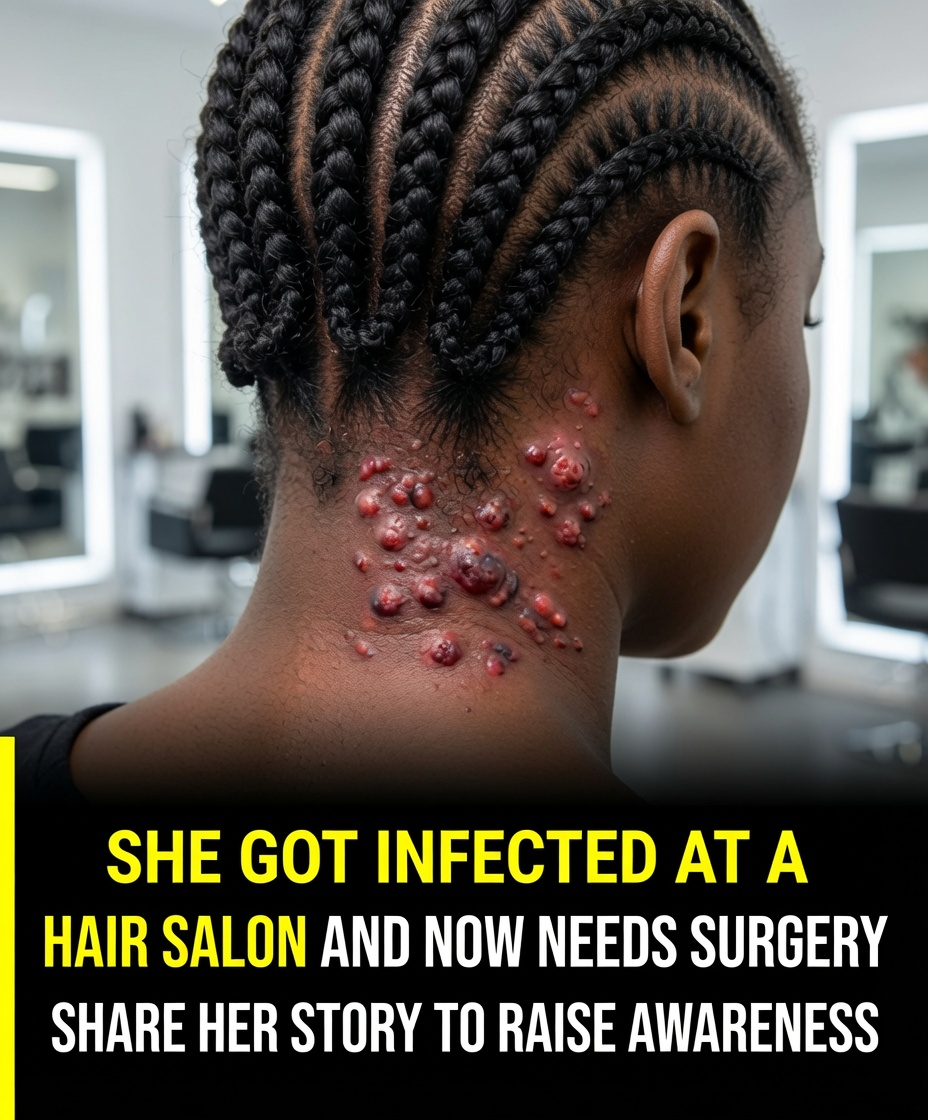
Getting a haircut or salon treatment should be a relaxing, confidence-boosting experience. However, shared tools, close contact, and sometimes inadequate cleaning practices can create opportunities for unwanted infections. Understanding common risks and knowing how to protect yourself helps ensure your salon visit enhances your appearance without compromising your health.
Common infections and how they spread
Folliculitis (often called barber’s itch) represents one of the more frequent salon-related issues. Bacterial or fungal infections develop when organisms enter hair follicles through small cuts from razors or clippers. Symptoms include itchy, red bumps that may develop pus-filled heads. Improperly sanitized tools or unclean neck strips increase risk.
Tinea capitis (ringworm of the scalp) spreads through direct contact or contaminated tools. This fungal infection causes scaly patches, hair loss in affected areas, and sometimes inflammation. Shared combs, brushes, or clippers that aren’t properly disinfected facilitate transmission.
Staphylococcal infections can occur when bacteria enter through nicks or cuts during haircuts or shaves. These may start as small pustules but can develop into more serious abscesses if left untreated. Warm, moist environments in salons create favorable conditions for bacterial growth.
Viral infections like herpes can theoretically spread through contaminated tools, though this occurs less commonly with proper sanitization. The close proximity during services increases general transmission risks for various pathogens.
How to protect yourself at the salon
Choose reputable establishments with visible cleanliness standards. Professional salons should sanitize tools between clients using appropriate disinfectants or autoclaves for metal instruments. Observe whether stylists wash hands and change aprons or neck strips between clients.
Don’t hesitate to ask questions about their cleaning protocols. Legitimate businesses should welcome inquiries about hygiene practices. Watch for red flags like dirty workstations, shared tools without cleaning, or stylists who appear ill.
Personal precautions you can take
- Bring your own tools if you have specific preferences or heightened concerns
- Request single-use neck strips or disposable capes when available
- Avoid services if you have open cuts or active skin infections
- Consider scheduling appointments during less busy times when staff can focus on proper protocols
- Speak up immediately if something seems unclean or concerning
For those with compromised immune systems or particular health vulnerabilities, extra caution makes sense. Consulting with your doctor about specific risks can help you make informed decisions about salon services.
What salons should be doing
Professional establishments maintain strict hygiene standards including:
- Proper disinfection of tools between every client
- Regular sanitization of workstations and equipment
- Hand washing protocols for staff
- Use of clean linens and single-use items when appropriate
- Staff training on infection control
Reputable salons view these practices as essential for both client safety and professional reputation. They understand that one outbreak or complaint can damage their business significantly.
When to seek medical attention
Most minor skin irritations from haircuts resolve on their own. However, consult a healthcare provider if you develop:
- Increasing redness, swelling, or pain
- Pus-filled bumps or significant inflammation
- Fever or other systemic symptoms
- Symptoms that worsen rather than improve after several days
Early treatment prevents minor issues from becoming more serious infections requiring stronger interventions.
Enjoying salon services safely
The vast majority of salon experiences occur without complications when basic hygiene standards are maintained. Being an informed client helps protect your health while supporting businesses that prioritize cleanliness. Don’t hesitate to choose establishments that demonstrate commitment to proper protocols.
Your hair and skin deserve both beautiful results and protection from unnecessary risks. By staying aware and choosing wisely, you can continue enjoying salon services with confidence. A little knowledge and proactive communication go a long way toward ensuring your next haircut or treatment enhances your appearance without unexpected health concerns.
Regular communication with your stylist about any skin sensitivities or concerns also helps them provide the safest, most appropriate services for your individual needs. Together, informed clients and professional salons can maintain high standards that benefit everyone.
Most Popular!
-
 Mystery Deepens After Elderly Woman’s Disappearance as Investigators Search for Answers
-
Marriage Burnout – Recognizing the Signs and Finding Your Way Back
-
Jennifer Garner’s Heartwarming Actions Towards Wheelchair-Bound Homeless Man
-
If There Is a Will, There Is a Way – The Incredible Transformation of This Miserable Kitchen
-
Shelley Fabares Offered a Tender and Nostalgic Rendition of “Johnny Angel”
-
If You Hit Your Head, Watch Out for These Symptoms That Can Show Up Even Days Later
-
Baggage Handler Reveals Shocking Reason You Should Never Tie a Ribbon on Your Luggage
-
Motorcycle Club Arrested After Protecting a Waitress When Police Refused Help