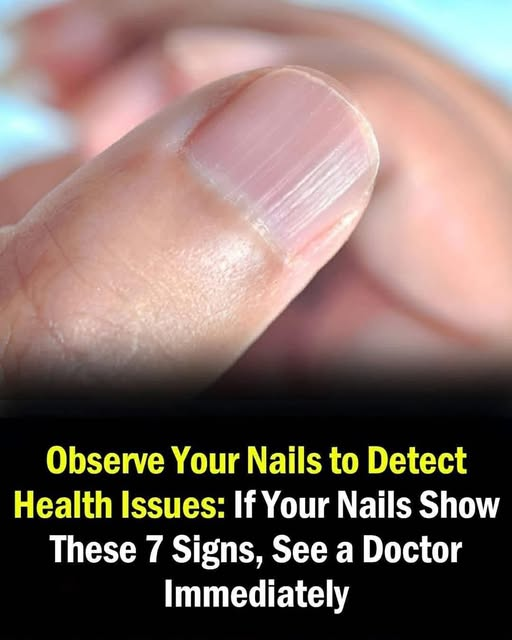
Your nails do far more than just look pretty with a fresh coat of polish. They serve as tiny windows into your overall health, often revealing problems long before other symptoms appear. Many people notice changes in their nails — ridges, discoloration, brittleness — and dismiss them as cosmetic issues caused by aging, harsh chemicals, or poor manicures. But doctors know better. Changes in your nails can signal nutritional deficiencies, systemic diseases, infections, and even serious conditions like heart disease or cancer. Learning to read these subtle clues can help you catch problems early and take action before they become more serious. Understanding what your nails are saying might just save your health — and your life.
One of the most common nail changes people notice is vertical ridges running from the cuticle to the tip. While some ridges naturally develop with age, prominent or sudden ridges can indicate deeper issues. They often point to nutritional deficiencies, particularly in iron, zinc, or vitamin B12. For older adults, these ridges may also reflect reduced circulation or thyroid imbalances. Horizontal ridges, known as Beau’s lines, are even more concerning. These deep grooves across the nail can appear after a major illness, surgery, or period of extreme stress. They essentially mark the point where nail growth temporarily stopped while your body fought something serious. If you notice these lines, it’s worth discussing with your doctor to rule out underlying conditions.
White spots on nails, often called leukonychia, are frequently misunderstood. Many people blame them on calcium deficiency, but they’re more commonly caused by minor trauma to the nail matrix — the area where new nail cells are produced. However, if the spots are widespread or persistent, they may signal zinc deficiency, liver problems, or kidney issues. In rare cases, they can indicate more serious systemic conditions. Rather than reaching for supplements blindly, get a proper blood panel to identify any actual deficiencies. Treating the root cause will clear the spots naturally as the nail grows out.
Yellow nails can be alarming and often point to fungal infections, but they can also signal more significant problems. In some cases, yellow, thickened nails that grow slowly may indicate yellow nail syndrome, a rare condition linked to respiratory issues or lymphedema. Smokers frequently develop yellowish discoloration due to nicotine staining, while certain medications or heavy use of nail polish can cause similar effects. If your nails are yellow and you don’t smoke or use colored polish regularly, it’s wise to have them checked. Addressing potential fungal infections early prevents them from spreading and becoming more difficult to treat.
Brittle, splitting, or peeling nails often frustrate people who spend money on expensive treatments without results. The most common causes include frequent hand washing, exposure to harsh chemicals, or nutritional shortfalls, especially biotin, iron, or omega-3 fatty acids. Hypothyroidism frequently manifests through brittle nails, as does anemia. For women going through menopause, hormonal shifts can make nails more fragile. Rather than covering the problem with acrylics or gel polish — which can worsen damage — focus on gentle care, moisturizing cuticles daily, and addressing potential deficiencies through diet or appropriate supplements after consulting your doctor.
Spoon-shaped nails, medically known as koilonychia, curve upward like a spoon and can hold a drop of water. This distinctive shape strongly suggests iron deficiency anemia, though it can also appear in people with heart disease or certain autoimmune conditions. The nails become thin and concave, sometimes accompanied by fatigue and pale skin. If you notice this change, don’t wait — get your iron levels checked. Correcting the deficiency usually restores normal nail shape as new growth appears, but it takes time and patience.
Dark vertical lines running down the nail, known as melanonychia, deserve particular attention, especially in people with darker skin tones. While many of these lines are benign, a new or widening dark streak can signal subungual melanoma — a serious form of skin cancer. Dr. Sandra Lee, known as Dr. Pimple Popper, has publicly emphasized the importance of monitoring nail changes. Any new dark line, especially if it’s on only one nail or changing over time, should be evaluated by a dermatologist immediately. Early detection of nail melanoma significantly improves outcomes.
Clubbing, where the nails become rounded and the fingertips enlarge, often indicates chronic low oxygen levels in the blood. This can stem from lung diseases, heart conditions, or inflammatory bowel disease. The change happens gradually, so people sometimes miss it until someone else points it out. If your nails appear more curved than usual or your fingertips feel spongy, mention it to your doctor. Clubbing is rarely the first symptom, but catching associated conditions early makes treatment much more effective.
Nail separation from the bed, called onycholysis, can result from trauma, fungal infections, or thyroid disorders. In some cases, it signals allergic reactions to nail products or underlying psoriasis. When the nail lifts, it creates space for bacteria and fungi to enter, potentially leading to more serious infections. Keeping the area clean and dry while addressing the root cause prevents complications. For many people, improving overall health through better nutrition and stress management helps resolve this issue naturally over time.
Caring for your nails goes beyond cosmetic concerns. Gentle filing, keeping them trimmed, moisturizing cuticles, and avoiding harsh chemicals protect both appearance and health. A balanced diet rich in biotin, protein, iron, zinc, and omega-3 fatty acids supports strong nail growth from within. Staying hydrated and managing chronic conditions like diabetes or thyroid disorders prevents many nail problems before they start. Regular nail inspections during your skincare routine help you catch changes early.
When to see a doctor matters tremendously. Any sudden or dramatic nail change, persistent pain, swelling, or discoloration that doesn’t improve deserves professional evaluation. Dermatologists and primary care physicians can distinguish between harmless variations and serious signals. Don’t wait for pain or obvious infection — early intervention often leads to simpler solutions and better outcomes.
The connection between nails and overall health reminds us how interconnected our bodies truly are. Changes that seem purely cosmetic often reflect internal processes worth investigating. By paying attention to your nails, you’re essentially checking in with your body’s early warning system. Many people have caught nutritional deficiencies, thyroid problems, or even early signs of more serious conditions simply by noticing something different about their nails.
Your nails tell a story about your health every single day. Learning to read that story empowers you to take better care of yourself and catch potential problems while they’re still manageable. The next time you paint your nails or simply look at your hands, take a moment to really see them. Those small changes might be asking for your attention. Listen closely — your body is trying to communicate something important. Taking action on those messages could lead to better health, more energy, and greater confidence in how you look and feel every day.
Small changes in daily habits — better nutrition, gentler nail care, regular check-ups — make a meaningful difference over time. Your nails, like the rest of you, respond to consistent, loving care. Give them the attention they deserve, and they’ll continue serving as reliable indicators of your overall well-being for years to come. The health of your nails truly reflects the health of your entire body. Honor that connection, and you’ll be taking one of the smartest steps possible toward lifelong wellness.
Most Popular!
-
 The Woman at the Cafe: How a Simple Breakfast Became a Lifeline for a Lonely Boy
-
I’ve Made This Comfort Meal Countless Times — But Never This Delicious
-
The Day a 68-Year-Old Rider Turned a Hospital Ward Into a Family: Compassion, Patient Advocacy, and a Legacy That Keeps Rumbling
-
My Date Picked Up the Tab — Then Sent Me an Invoice: A Modern Dating Red Flag You Shouldn’t Ignore
-
12 Common Traits Seen in Adults Who Grew Up Without Steady Emotional Support — And How Healing Is Still Possible
-
The Night a Biker Became an Angel: A Story of Courage, Compassion, and the Power of Stopping to Help
-
5 Subtle Signs an Older Loved One Needs More Care and Attention — And How to Respond Before It’s Too Late
-
He Fired 37 Nannies in Two Weeks — Then One Domestic Worker Changed Everything for His Six Daughters