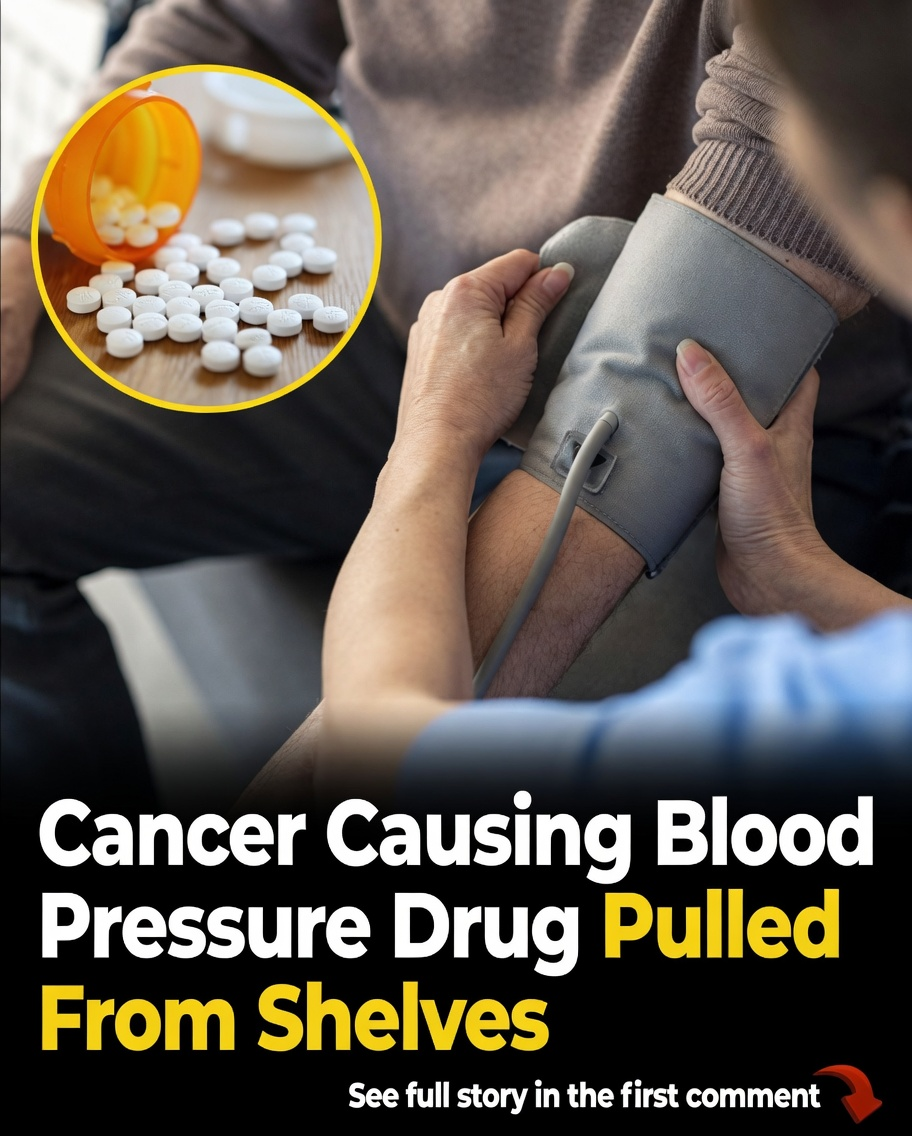
I still remember the phone call from my mother last year. Her voice was shaky as she told me her blood pressure medication had been recalled due to a possible cancer risk. Like millions of others, she had been taking the same pill every morning for years, trusting it was safe. The news hit hard. What was supposed to protect her heart was potentially harming her in a much more serious way. Stories like hers are becoming far too common as more blood pressure drugs are quietly pulled from pharmacy shelves after laboratory testing revealed dangerous impurities.
The latest recall involves specific batches of a widely prescribed blood pressure medication found to contain unacceptable levels of a probable carcinogen known as NDMA (N-Nitrosodimethylamine). This chemical, which is also found in some processed meats and tobacco smoke, has been linked to increased cancer risk when exposure is prolonged. The FDA and drug manufacturers acted quickly once the contamination was confirmed, but many patients had already taken the affected medication for months or even years.
This isn’t an isolated incident. Over the past several years, multiple blood pressure drugs — particularly certain angiotensin II receptor blockers (ARBs) like valsartan, losartan, and irbesartan — have faced recalls due to nitrosamine impurities. The problem often stems from manufacturing changes or issues in the production process where certain chemicals react to form these concerning compounds. While the risk to any individual patient is still considered relatively low, the sheer number of people affected makes this a major public health concern.
If you or a loved one takes medication for high blood pressure, it’s crucial to check your prescription immediately. Look at the name of the drug, the manufacturer, and the lot number. The FDA maintains an updated list of recalled medications on their website. If you find your medication on the list, do not stop taking it abruptly — contact your doctor right away for guidance on safe alternatives. Suddenly stopping blood pressure medication can cause dangerous rebounds in blood pressure.
The recalls have left many patients feeling anxious and betrayed by a system they trusted. High blood pressure affects tens of millions of Americans, and medication is often the first line of defense. When that defense itself carries hidden risks, it forces us to ask harder questions about medication safety, manufacturing standards, and whether we’re being adequately protected as consumers.
What makes this situation especially concerning is that nitrosamines can form during the drug manufacturing process itself. Changes in how raw materials are handled, stored, or synthesized can trigger unwanted chemical reactions. Regulatory agencies around the world are now tightening guidelines for acceptable levels of these impurities, but the process has been reactive rather than preventive in many cases. Patients are rightly wondering how many other medications might contain similar hidden dangers.
In the meantime, there are steps you can take to protect yourself while working with your doctor. Regular blood pressure monitoring at home gives you better control and can help reduce reliance on medication over time. Many people successfully lower their numbers through lifestyle changes — maintaining a healthy weight, reducing salt intake, exercising regularly, managing stress, and eating a diet rich in vegetables, fruits, and whole grains. Some even work with their physicians to taper off medication once their readings stabilize.
The recalls also highlight the importance of being an informed patient. Ask your doctor questions. Understand why a particular drug was chosen for you. Request the lowest effective dose when possible. And always check the FDA’s recall page before refilling prescriptions, especially for long-term medications.
For those currently dealing with a recalled medication, the good news is that safe alternatives exist. Your doctor can switch you to a different formulation or a completely different class of blood pressure drug. Most patients experience no issues during the transition when properly monitored. The priority right now is staying calm, staying informed, and staying proactive about your health.
This situation serves as a powerful reminder that no medication is entirely risk-free. While blood pressure drugs have saved countless lives, we must remain vigilant about their quality and long-term safety. The human body is incredibly resilient, but it deserves better than contaminated medicine.
If you take medication for high blood pressure, take a moment today to check your pills against the latest recall lists. Talk to your doctor about your concerns. And consider incorporating more natural blood pressure-supporting habits into your daily routine. Small, consistent changes can make a big difference in both your numbers and your peace of mind.
Your health is too important to leave entirely in someone else’s hands. Stay aware, stay informed, and never be afraid to ask questions about what you’re putting into your body. The recalls may be unsettling, but they also give us the opportunity to take greater control of our well-being. In the end, that might be the most valuable medicine of all.
Most Popular!
-
 Eggs, Cholesterol, and Timing: What Actually Matters for Most People
-
When a Partner Leaves With More Than a Suitcase: Protecting Yourself From Financial Betrayal
-
When Financial Support Meets Contempt: Recognizing Exploitation Inside a Marriage
-
Why Some Sensory Toys and Household “Hacks” Do Not Belong in the Microwave
-
When Grief Clouds Judgment: Misreading Silence and the Quiet Ways People Show Care
-
When One Partner Does All the Hosting: Recognizing Imbalance Before Resentment Takes Over
-
How Many Holes Are in a T-Shirt? What a Simple Puzzle Reveals About How We See
-
The Quiet Stories Inside Secondhand Objects: When a Thrift-Store Find Carries Someone Else’s History