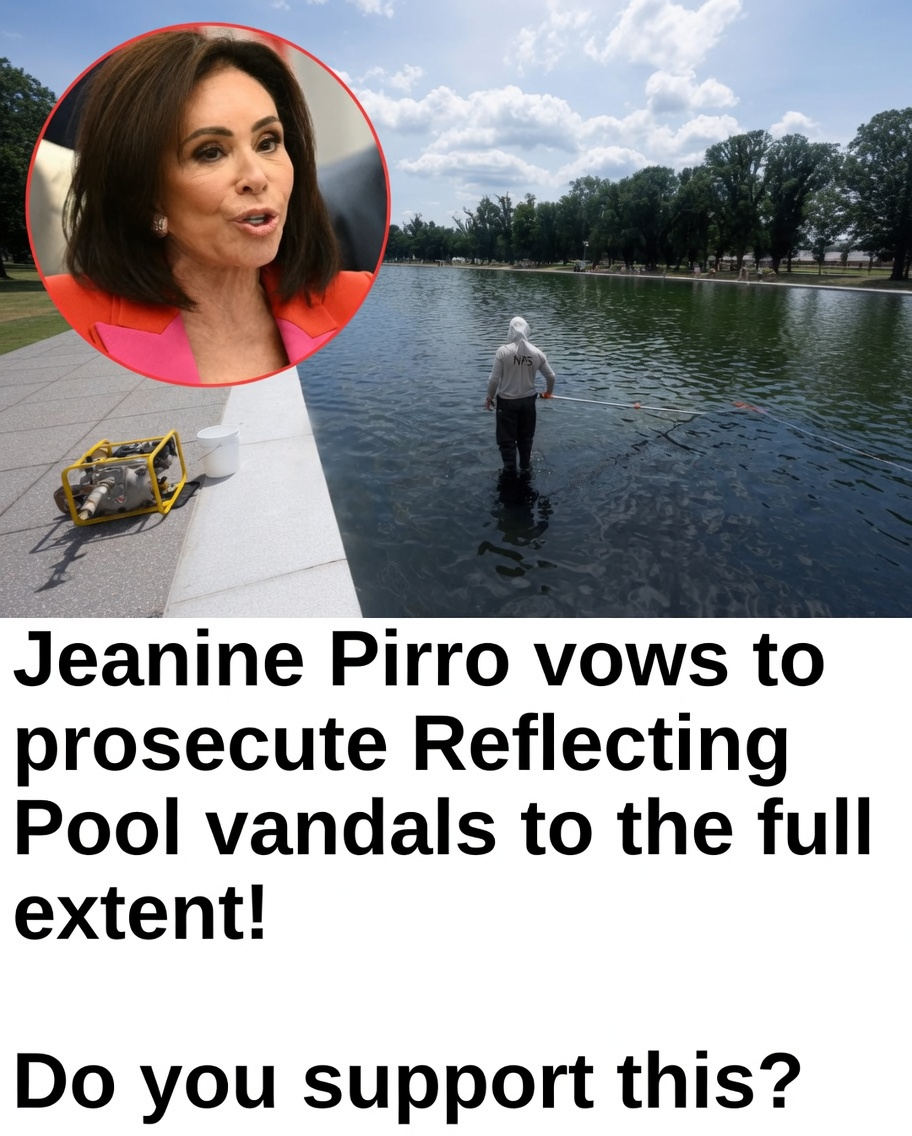
Public monuments and historic sites represent shared national heritage that deserves protection from vandalism and disrespect. Recent incidents involving damage to the Reflecting Pool area in Washington D.C. have sparked strong reactions from law enforcement officials and concerned citizens. Jeanine Pirro has publicly vowed to prosecute those responsible to the fullest extent of the law, emphasizing accountability for actions that deface public property. This stance has generated significant discussion about appropriate responses to such crimes and importance of maintaining respect for national symbols.
Vandalism of public spaces creates costs for taxpayers who fund repairs and increased security measures. The Reflecting Pool, located near major monuments, holds particular significance as gathering place for reflection and commemoration of important events. Damage to these areas diminishes their dignity and imposes financial burdens on government agencies responsible for maintenance. Strong prosecution serves as deterrent against future incidents while demonstrating commitment to preserving public spaces for all citizens.
Jeanine Pirro’s position reflects broader concerns about lawlessness and lack of consequences for destructive behavior. As former prosecutor and public figure, she advocates for consistent application of laws regardless of political motivations behind vandalism. Her statement emphasizes that deliberate damage to national treasures crosses important lines requiring serious legal responses. This approach prioritizes rule of law over tolerance for protest tactics that harm public property.
Public opinion appears divided on appropriate responses to monument and memorial vandalism. Some view such acts as legitimate expressions of dissent while others see them as unacceptable attacks on shared heritage. Polls and discussions often reveal strong support for prosecution when damage involves significant costs or disrespect to important historical sites. The Reflecting Pool incident has amplified calls for accountability and protection of public monuments.
Legal frameworks exist to address vandalism through various charges depending on extent of damage and intent involved. Prosecutors can pursue felony charges when significant destruction occurs or when actions endanger public safety. Consistent enforcement helps maintain order and respect for communal spaces. Failure to prosecute adequately may encourage escalation of destructive behaviors targeting other national landmarks.
Preserving historic sites requires ongoing investment in security and maintenance funded by taxpayers. Incidents of vandalism increase these costs while diminishing experiences for visitors seeking connection with American history. Strong legal responses signal that such actions carry serious consequences rather than serving as mere inconveniences. This approach protects investments made in maintaining public monuments for future generations.
National monuments serve important roles in education and commemoration of shared history. Protecting them from deliberate damage upholds values of respect and civic responsibility. Public support for prosecution in cases like the Reflecting Pool incident reflects widespread desire for accountability and preservation of important landmarks. Balanced approaches consider both free expression rights and protection of public property.
Discussions about monument protection often intersect with broader debates about protest methods and boundaries of acceptable dissent. Most agree that peaceful demonstration represents fundamental right while deliberate destruction crosses important lines. Finding balance between expression and preservation requires clear legal standards and consistent enforcement. Public input through polls and civic engagement helps shape appropriate responses.
Jeanine Pirro’s strong stance has resonated with many Americans concerned about erosion of respect for national symbols. Her background in law enforcement lends credibility to calls for serious prosecution of vandals. As public discourse continues, focus remains on protecting shared heritage while upholding constitutional principles. The Reflecting Pool case serves as important test of commitment to law and order in public spaces.
This situation reminds us that maintaining civil society requires respect for public property and willingness to hold individuals accountable for destructive actions. Strong leadership advocating for prosecution helps deter future incidents while preserving important national landmarks. As polls gauge public sentiment, clear consensus appears supporting protection of historic sites through appropriate legal measures. Responsible citizenship involves both exercising rights and respecting shared spaces that belong to all Americans.
Most Popular!
-
 Eggs, Cholesterol, and Timing: What Actually Matters for Most People
-
When a Partner Leaves With More Than a Suitcase: Protecting Yourself From Financial Betrayal
-
When Financial Support Meets Contempt: Recognizing Exploitation Inside a Marriage
-
Why Some Sensory Toys and Household “Hacks” Do Not Belong in the Microwave
-
When Grief Clouds Judgment: Misreading Silence and the Quiet Ways People Show Care
-
When One Partner Does All the Hosting: Recognizing Imbalance Before Resentment Takes Over
-
How Many Holes Are in a T-Shirt? What a Simple Puzzle Reveals About How We See
-
The Quiet Stories Inside Secondhand Objects: When a Thrift-Store Find Carries Someone Else’s History