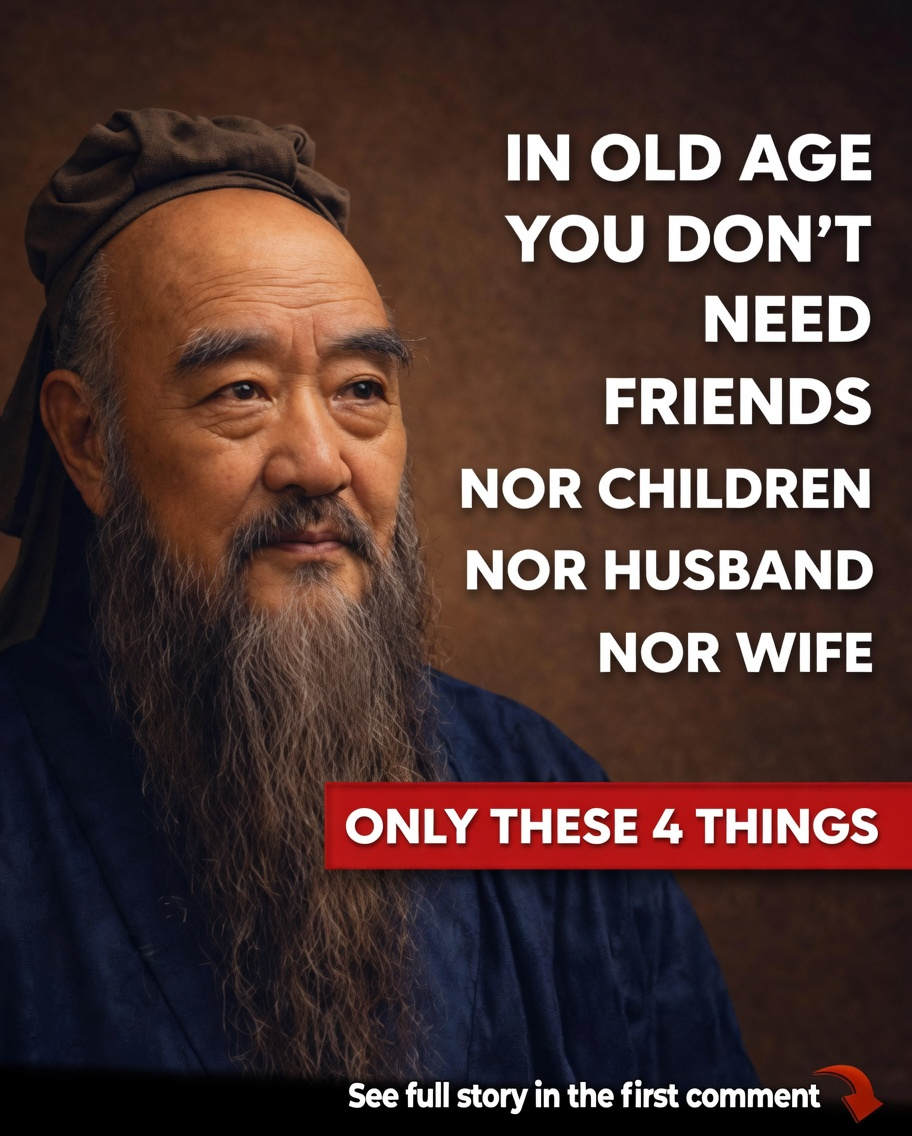
I sat with my 78-year-old father on the porch last summer, watching the sunset paint the sky in soft oranges and pinks. He had been struggling with retirement — feeling lost, unimportant, and increasingly bitter about growing older. That evening he said something that stayed with me: “I wish I had known how to age well when I was younger.” His words made me think about the timeless wisdom of Confucius, the ancient Chinese philosopher whose teachings on life, relationships, and virtue are still profoundly relevant today — especially for those entering their golden years.
Confucius never saw aging as a decline. He viewed it as the season when wisdom, cultivated over decades, could finally flourish. One of his most powerful ideas is the importance of living with integrity and purpose at every stage. In our later years, this means letting go of the need to prove ourselves and instead focusing on being a person of good character. It’s not about what you achieve anymore, but who you become. Many older adults find deep peace when they stop chasing external validation and start nurturing their inner values — kindness, honesty, and patience.
Another central teaching is the value of lifelong learning. Confucius famously said he was still learning at seventy. In the golden years, this principle encourages us to stay curious. Whether it’s picking up painting, studying history, learning a new language, or simply reading more, keeping the mind active is one of the greatest gifts you can give yourself. It fights cognitive decline, brings joy, and gives you meaningful ways to connect with younger generations. The elderly who continue learning often report feeling younger and more alive than those who retire their minds along with their careers.
Family and relationships take center stage in Confucian thought. He emphasized respect, filial piety, and harmonious connections. In modern terms, this means investing time in repairing old rifts, expressing love openly, and being fully present with children and grandchildren. Many people in their later years regret the years spent working too hard and missing family moments. Confucius would remind us that true wealth lies in strong, loving relationships. A simple weekly dinner with family or a heartfelt phone call can bring more fulfillment than any material possession.
Simplicity is another beautiful principle for the golden years. Confucius lived modestly and taught that happiness comes from within, not from accumulating things. As we age, letting go of clutter — both physical and emotional — creates space for peace. Downsizing your home, releasing old grudges, and focusing on experiences rather than stuff can be incredibly liberating. Many seniors discover that their happiest days are the quiet ones spent in the garden, reading, or sharing stories with loved ones.
Health, according to Confucian wisdom, is about balance. He advocated for moderation in diet, regular movement, and caring for the body as a sacred vessel. In today’s world, this translates to gentle exercise like walking or tai chi, eating whole foods, and getting proper rest. But it also includes mental and emotional health. Practicing gratitude, mindfulness, or meditation helps maintain inner harmony. The body and mind are connected — caring for one naturally supports the other.
Confucius placed great importance on legacy. He believed we should live in ways that benefit those who come after us. In your golden years, this might mean mentoring young people, volunteering, writing down family stories, or simply being a calm, wise presence in your community. Leaving behind kindness and wisdom matters far more than leaving behind money or possessions. Many older adults find renewed purpose when they shift from “What can I get?” to “What can I give?”
One of the most comforting teachings is acceptance of change. Life has seasons, and resisting the natural flow of aging only creates suffering. Confucius encouraged embracing each phase with grace. Wrinkles, slower pace, and changing roles are not failures — they are marks of a life fully lived. Those who accept this truth often experience deeper joy and less fear of the future.
Forgiveness is another essential principle. Holding onto resentment harms you more than the person who hurt you. In later life, letting go of old wounds frees up energy for love and connection. Many people find peace by writing letters (even if they’re never sent), talking with a trusted friend, or seeking counseling. Releasing the past allows you to fully enjoy the present.
Finally, Confucius taught the importance of joy in small things. A beautiful sunrise, a good cup of tea, laughter with grandchildren, or a quiet moment of reflection — these are the true riches of life. In our achievement-obsessed culture, we often forget this. The golden years offer the perfect opportunity to slow down and savor what really matters.
My father took these ideas to heart after our conversation. He joined a local history group, started teaching neighborhood kids chess, and began meditating each morning. The bitterness faded. He laughs more now. He says he finally understands what it means to age with grace.
The wisdom of Confucius isn’t outdated. It’s deeply practical for anyone navigating their later years. It reminds us that growing older doesn’t have to mean fading away. With the right mindset, it can be one of the richest, most meaningful chapters of life.
If you’re entering or already living your golden years, consider these ancient principles. Live with integrity. Keep learning. Cherish relationships. Embrace simplicity. Care for your health. Build a legacy. Accept change. Practice forgiveness. And find joy in the ordinary.
The years ahead don’t have to be defined by loss. They can be defined by wisdom, peace, and quiet fulfillment. Confucius showed us the way more than two thousand years ago. The question is whether we’re wise enough to listen now. Your golden years are waiting to be the best ones yet.
Most Popular!
-
 Eggs, Cholesterol, and Timing: What Actually Matters for Most People
-
When a Partner Leaves With More Than a Suitcase: Protecting Yourself From Financial Betrayal
-
When Financial Support Meets Contempt: Recognizing Exploitation Inside a Marriage
-
Why Some Sensory Toys and Household “Hacks” Do Not Belong in the Microwave
-
When Grief Clouds Judgment: Misreading Silence and the Quiet Ways People Show Care
-
When One Partner Does All the Hosting: Recognizing Imbalance Before Resentment Takes Over
-
How Many Holes Are in a T-Shirt? What a Simple Puzzle Reveals About How We See
-
The Quiet Stories Inside Secondhand Objects: When a Thrift-Store Find Carries Someone Else’s History