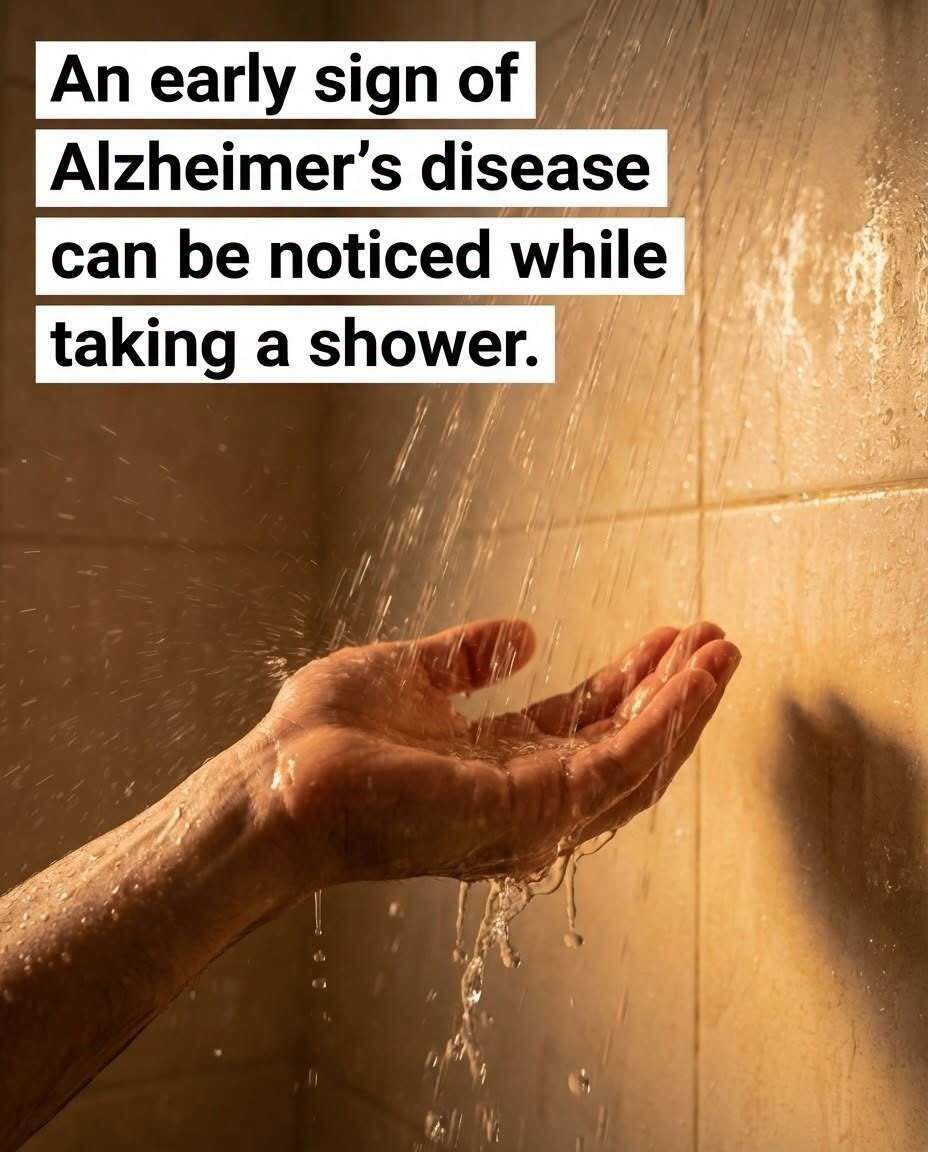
Sense of smell plays important role in daily life while often taken for granted until changes occur. Alterations in olfactory function may provide early indicators of neurological conditions while warranting attention from healthcare providers. Research continues exploring connections between smell changes and brain health while offering insights into potential early detection methods. Understanding these links helps individuals recognize when professional evaluation becomes appropriate while supporting overall wellness.
Normal aging process can gradually affect smell sensitivity while creating subtle changes in perception over time. These variations usually develop slowly while remaining within expected range for older adults. However, sudden or significant changes may indicate other factors requiring medical assessment. Regular self-monitoring helps distinguish normal aging from potential concerns while prompting timely consultation when needed.
Neurological conditions including Parkinson’s disease and Alzheimer’s often involve smell changes while appearing before other symptoms become noticeable. These alterations result from affected brain regions responsible for olfactory processing while providing potential early warning signs. Medical research continues investigating these connections while exploring diagnostic applications. Early detection through smell testing may support timely intervention while improving management outcomes.
Infections and head injuries can temporarily or permanently affect smell function while creating noticeable changes in perception. Viral illnesses sometimes impact olfactory nerves while leading to partial or complete loss of smell. Recovery patterns vary while some individuals experience gradual return of function over months. Professional evaluation helps determine appropriate treatment while monitoring progress during recovery period.
Environmental factors including exposure to certain chemicals or pollutants can influence smell sensitivity while creating temporary or lasting effects. Occupational hazards or household products may contribute to olfactory changes while warranting protective measures. Reducing exposure helps prevent damage while supporting natural recovery processes. Awareness of environmental risks supports proactive approaches to maintaining sensory health.
Lifestyle factors such as smoking can significantly impact smell function while creating cumulative effects over time. Quitting smoking often leads to gradual improvement while supporting overall health benefits. Proper nutrition and hydration support sensory function while contributing to general wellness. These modifiable factors provide opportunities for positive change while enhancing quality of life.
Medical evaluation for smell changes involves comprehensive assessment while identifying potential underlying causes. Neurological examination and imaging studies help rule out serious conditions while guiding appropriate treatment. Early intervention often improves outcomes while addressing reversible factors when possible. Regular follow-up supports monitoring while adjusting approaches based on individual response.
Emotional impact of smell changes can affect quality of life while influencing appetite, safety awareness, and emotional well-being. Loss of familiar scents may create feelings of disconnection while affecting memory and mood. Support from healthcare providers and loved ones helps address these challenges while developing coping strategies. Professional counseling may benefit individuals experiencing significant emotional distress.
Preventive measures for maintaining smell function include protecting head from injury while avoiding exposure to harmful substances. Regular exercise and healthy diet support overall neurological health while contributing to sensory function. Mental stimulation through learning new skills helps maintain brain health while potentially supporting olfactory capabilities. These approaches promote comprehensive wellness while reducing risk factors.
Continued research into smell changes and brain health promises greater understanding while improving diagnostic and treatment approaches. Early detection through olfactory testing may support timely intervention while enhancing outcomes for various conditions. Public awareness helps encourage appropriate medical consultation while reducing unnecessary anxiety about normal variations. This evolving knowledge supports better health management while advancing neurological understanding.
Most Popular!
-
 Eggs, Cholesterol, and Timing: What Actually Matters for Most People
-
When a Partner Leaves With More Than a Suitcase: Protecting Yourself From Financial Betrayal
-
When Financial Support Meets Contempt: Recognizing Exploitation Inside a Marriage
-
Why Some Sensory Toys and Household “Hacks” Do Not Belong in the Microwave
-
When Grief Clouds Judgment: Misreading Silence and the Quiet Ways People Show Care
-
When One Partner Does All the Hosting: Recognizing Imbalance Before Resentment Takes Over
-
How Many Holes Are in a T-Shirt? What a Simple Puzzle Reveals About How We See
-
The Quiet Stories Inside Secondhand Objects: When a Thrift-Store Find Carries Someone Else’s History