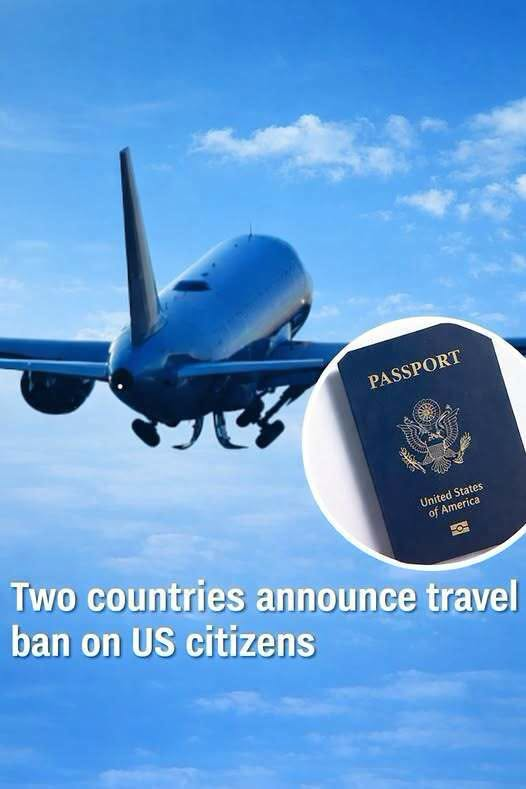
International travel policies have become increasingly complex as nations respond to U.S. immigration measures with reciprocal restrictions. Mali and Burkina Faso have announced travel bans on American citizens citing concerns about national sovereignty and diplomatic reciprocity. These developments reflect broader tensions in global relations where visa policies serve as tools for political leverage. Understanding these changes helps travelers navigate evolving international landscape while respecting sovereign decisions of foreign governments.
U.S. expansion of travel restrictions to 39 countries has prompted various responses from affected nations. Some governments have chosen diplomatic negotiations while others have implemented immediate retaliatory measures. This pattern demonstrates how immigration policies can influence bilateral relations and international cooperation. Careful analysis of specific restrictions helps individuals plan travel while complying with legal requirements.
Travel bans create significant disruptions for business, tourism, and family connections between countries. American citizens planning international trips must research current visa requirements and potential restrictions before departure. Airlines and travel agencies provide updated information about entry policies while government websites offer official guidance. Preparation helps minimize complications while ensuring smooth travel experiences.
Diplomatic relations between nations often involve complex negotiations about reciprocity and mutual benefits. Travel restrictions can serve as pressure points in larger geopolitical discussions while affecting ordinary citizens. Understanding context behind policy decisions helps appreciate broader implications for international cooperation. Balanced approaches to immigration maintain security while facilitating legitimate travel and exchange.
Global mobility has increased dramatically in recent decades creating both opportunities and challenges for nations managing borders. Technological advances in documentation and screening help improve security while streamlining legitimate travel. International cooperation on standards and information sharing supports efficient border management. Continued dialogue helps address concerns while preserving benefits of global connectivity.
American travelers facing new restrictions may need alternative plans or additional documentation for international trips. Consulting with embassies and consulates provides current information about entry requirements and potential delays. Travel insurance offers protection against unexpected changes while professional planning services help navigate complex visa situations. Flexibility and preparation become essential when policies shift rapidly.
Retaliatory measures between countries often escalate tensions while affecting economic and cultural exchange. Understanding motivations behind policy decisions helps contextualize international relations while identifying potential areas for diplomatic resolution. Constructive engagement through official channels can help address concerns while maintaining important partnerships. International organizations sometimes facilitate dialogue during periods of heightened tension.
Personal experiences of travelers facing restrictions highlight human impact of geopolitical decisions. Families separated by policy changes face emotional and practical challenges requiring creative solutions. Business professionals encounter obstacles to international commerce affecting economic opportunities. These stories remind us of importance of balanced approaches that consider both security and human connections.
Evolving travel policies reflect changing global priorities around security, migration, and economic cooperation. Nations balance domestic concerns with international obligations while adapting to new challenges. Understanding these dynamics helps individuals make informed decisions about international travel while respecting sovereign rights of countries. Continued monitoring of policy changes ensures compliance with current requirements.
International travel requires awareness of current events and policy shifts affecting entry and exit procedures. Responsible travelers research destinations thoroughly while preparing necessary documentation and contingency plans. Respect for local laws and customs helps ensure positive experiences while contributing to good relations between nations. Global citizenship involves balancing personal freedom with collective responsibilities.
Most Popular!
-
 Eggs, Cholesterol, and Timing: What Actually Matters for Most People
-
When a Partner Leaves With More Than a Suitcase: Protecting Yourself From Financial Betrayal
-
When Financial Support Meets Contempt: Recognizing Exploitation Inside a Marriage
-
Why Some Sensory Toys and Household “Hacks” Do Not Belong in the Microwave
-
When Grief Clouds Judgment: Misreading Silence and the Quiet Ways People Show Care
-
When One Partner Does All the Hosting: Recognizing Imbalance Before Resentment Takes Over
-
How Many Holes Are in a T-Shirt? What a Simple Puzzle Reveals About How We See
-
The Quiet Stories Inside Secondhand Objects: When a Thrift-Store Find Carries Someone Else’s History