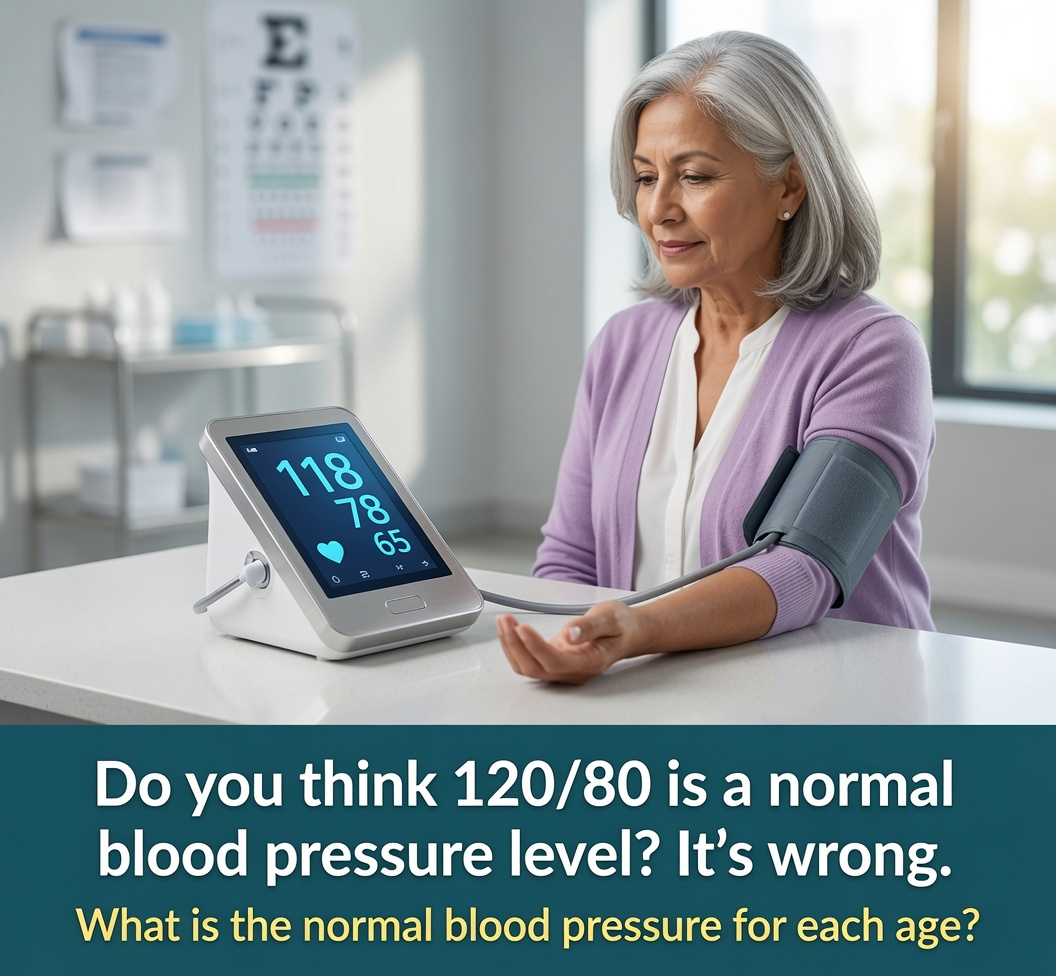
For decades, many people assumed blood pressure targets should automatically rise with age. The idea that “normal” numbers could be higher for older adults felt intuitive. However, current medical understanding has shifted significantly. Experts now emphasize overall cardiovascular risk rather than age alone when determining healthy blood pressure levels. This evolution in guidelines reflects better research and improved understanding of heart health across the lifespan.
Why age-based targets changed
Older approaches often suggested that blood pressure naturally climbs with age and that slightly elevated readings were acceptable or even normal for seniors. This view stemmed from observational data showing higher averages in older populations. However, extensive research demonstrated that maintaining lower blood pressure significantly reduces risks of heart attack, stroke, kidney disease, and cognitive decline regardless of age.
Modern guidelines from major health organizations focus on absolute cardiovascular risk. Factors such as existing heart disease, diabetes, smoking status, cholesterol levels, and family history now play crucial roles in determining targets. This personalized approach recognizes that chronological age alone doesn’t determine vascular health or appropriate treatment.
Current recommended blood pressure ranges
For most adults, including older individuals, the general target remains below 130/80 mmHg. Some guidelines suggest even tighter control for certain high-risk groups. The emphasis has moved from “normal for your age” to “optimal for your overall health profile.”
Importantly, this doesn’t mean aggressive medication for everyone with mildly elevated readings. Lifestyle modifications often serve as the first line of defense, particularly for those without other major risk factors. Regular physical activity, healthy diet, stress management, adequate sleep, and maintaining healthy weight can significantly impact blood pressure numbers.
Special considerations for different age groups
Younger adults benefit from early awareness and prevention. Establishing healthy habits early creates better outcomes later in life. Middle-aged individuals often face increasing pressures from career, family, and metabolic changes that can affect blood pressure. Regular monitoring helps catch trends before they become problematic.
For older adults, the focus includes balancing blood pressure control with avoiding overly aggressive treatment that might cause side effects like dizziness or falls. Individualized care considering overall frailty, medication interactions, and quality of life remains essential. Many seniors achieve excellent results through combined lifestyle changes and carefully selected medications when needed.
How to monitor and manage your blood pressure
Home monitoring provides valuable information between medical visits. Use validated devices and proper technique—seated with feet flat, arm supported at heart level, after resting quietly. Multiple readings over time give a clearer picture than single measurements.
Lifestyle factors offer powerful tools for control:
- Regular aerobic exercise (150 minutes weekly)
- DASH or Mediterranean-style eating patterns
- Sodium reduction
- Limited alcohol consumption
- Stress reduction techniques
- Adequate sleep
Working with healthcare providers ensures treatment plans fit individual circumstances. Some people achieve excellent control through lifestyle alone, while others benefit from medication support.
The bottom line on blood pressure and aging
Age remains an important risk factor for cardiovascular disease, but it no longer defines acceptable blood pressure targets. Modern medicine recognizes that protecting vascular health benefits people at every stage of life. Lower numbers, when safely achieved, generally translate to better long-term outcomes including preserved cognitive function and physical independence.
Regular check-ups and honest conversations with healthcare providers help create personalized strategies. Understanding your overall risk profile empowers better decisions about monitoring and management. The shift away from age-based assumptions toward comprehensive cardiovascular risk assessment represents genuine progress in preventive medicine.
Taking proactive steps today—whether through better diet, increased movement, stress management, or appropriate medical care—can significantly impact your heart health for years to come. Blood pressure management is ultimately about adding healthy, active years to your life, not just lowering numbers on a monitor. Consult your doctor for guidance tailored to your specific health situation.
Most Popular!
-
 Mystery Deepens After Elderly Woman’s Disappearance as Investigators Search for Answers
-
Marriage Burnout – Recognizing the Signs and Finding Your Way Back
-
Jennifer Garner’s Heartwarming Actions Towards Wheelchair-Bound Homeless Man
-
If There Is a Will, There Is a Way – The Incredible Transformation of This Miserable Kitchen
-
Shelley Fabares Offered a Tender and Nostalgic Rendition of “Johnny Angel”
-
If You Hit Your Head, Watch Out for These Symptoms That Can Show Up Even Days Later
-
Baggage Handler Reveals Shocking Reason You Should Never Tie a Ribbon on Your Luggage
-
Motorcycle Club Arrested After Protecting a Waitress When Police Refused Help