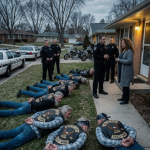
Recent developments in Washington, D.C., under the Trump administration’s intensified law enforcement efforts have created a complex reality that many residents are still processing. An ABC anchor’s candid admission during coverage captured the tension: the nation’s capital now feels both safer in some measurable ways and more fearful in others. Cleaner streets and reduced visible crime come alongside deeper anxieties, particularly among immigrant communities navigating daily life under heightened enforcement.
The administration’s approach has involved increased police presence, targeted operations against crime hotspots, and stricter immigration enforcement measures. Supporters point to declining statistics in certain categories of street crime and visible improvements in high-traffic tourist and business areas. Critics argue that the aggressive tactics have created an atmosphere of fear that disproportionately affects law-abiding residents, especially those in immigrant neighborhoods.
What the data and residents say
Local reports indicate measurable drops in some types of crime, including theft and public disorder offenses, which many attribute to the increased police activity and federal support. Business owners in previously troubled areas report feeling more secure, with some noting improved foot traffic as perceptions of safety grow. However, these gains come with trade-offs that community leaders and residents describe as creating “deeper shadows.”
Immigrant families report heightened anxiety when moving through the city. Checkpoints, increased document requests, and rumors of enforcement actions have led to changed routines—avoiding certain areas, limiting travel, or hesitating to report crimes for fear of drawing attention to immigration status. Schools and community organizations note impacts on participation in programs and everyday activities.
The human stories behind the statistics
For longtime Washingtonians, the changes feel like a double-edged sword. One resident described walking streets that feel cleaner and less threatening while simultaneously worrying about family members or neighbors being swept up in broader enforcement actions. Another noted that while violent crime feels less prevalent in some neighborhoods, the overall atmosphere has shifted toward caution and division.
The ABC anchor’s on-air acknowledgment reflected this nuance—recognizing genuine improvements in safety metrics while highlighting the human cost of aggressive policing and immigration policies. Such balanced reporting has sparked broader conversations about the true meaning of “safety” in diverse urban environments.
Broader implications for policy and community trust
This situation in D.C. mirrors debates happening in cities nationwide about balancing security with civil liberties and community trust. Effective crime reduction ideally includes community cooperation, which becomes challenging when large segments of the population feel targeted or fearful. Finding the right approach requires careful calibration between enforcement and relationship-building.
Immigrant communities, in particular, face difficult navigation between following the law and protecting family members. Many contribute significantly to the local economy and culture while living with uncertainty about their status or that of loved ones. Policy solutions that address root causes of crime while respecting due process and human dignity remain essential.
Moving forward with nuance
The transformation of Washington, D.C., under current policies offers important lessons for urban governance. Cleaner streets and reduced crime statistics represent real progress worth sustaining, but they must be weighed against the erosion of trust and the creation of new fears among residents. Sustainable safety comes from comprehensive strategies that include enforcement alongside economic opportunity, community engagement, and fair immigration processes.
As the situation continues evolving, ongoing honest dialogue—free from political spin—remains crucial. Residents, regardless of background, want safe neighborhoods where they can live without constant fear, whether from crime or from overreach by authorities. The challenge lies in achieving security that truly serves all members of the community rather than creating winners and losers in the pursuit of order.
The coming months will reveal whether current approaches can maintain safety gains while rebuilding broader trust. For now, the city exists in a state of cautious optimism mixed with understandable anxiety—a reminder that policy decisions always carry human consequences that extend far beyond headlines and statistics.
Most Popular!
-
 Mystery Deepens After Elderly Woman’s Disappearance as Investigators Search for Answers
-
Marriage Burnout – Recognizing the Signs and Finding Your Way Back
-
Jennifer Garner’s Heartwarming Actions Towards Wheelchair-Bound Homeless Man
-
If There Is a Will, There Is a Way – The Incredible Transformation of This Miserable Kitchen
-
Shelley Fabares Offered a Tender and Nostalgic Rendition of “Johnny Angel”
-
If You Hit Your Head, Watch Out for These Symptoms That Can Show Up Even Days Later
-
Baggage Handler Reveals Shocking Reason You Should Never Tie a Ribbon on Your Luggage
-
Motorcycle Club Arrested After Protecting a Waitress When Police Refused Help