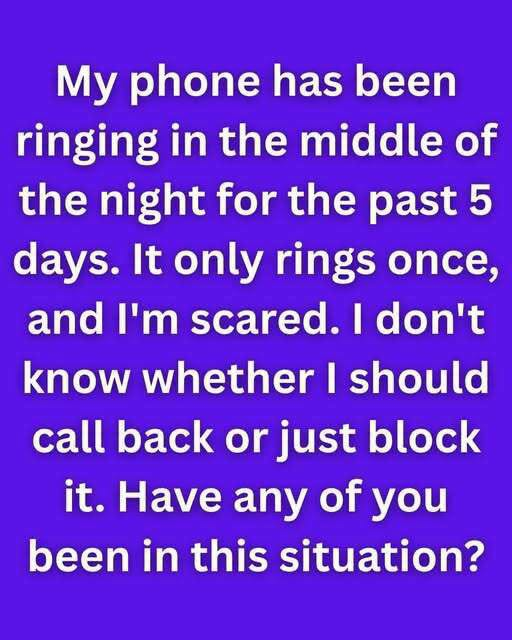
A single brief ring in the middle of the night can feel almost harmless. The phone lights up, vibrates once, and then falls silent. Many people roll over, glance at the unknown number, and decide to call back later out of simple curiosity or concern that it might be an emergency. That small decision is exactly what certain scammers are counting on. The “one-ring” trap is designed to exploit the moment when judgment is weakest and the urge to resolve an unfinished interruption is strongest.
These calls are rarely accidents. Criminal operations use automated systems to place thousands of extremely short calls, often from international or unfamiliar numbers. The goal is not to speak with the victim on the first attempt. The goal is to create a missed-call notification that prompts a return call. When the person dials back, they are connected to a premium-rate line that charges high per-minute fees from the moment the connection is made.
Because the original ring lasts only a second or two, it frequently bypasses standard spam filters and call-blocking apps. The call appears on the phone log as a legitimate missed connection rather than a lengthy robocall. At night the effect is amplified. A person jolted from sleep is more likely to act on impulse, less likely to research the number, and more susceptible to the nagging feeling that something important has been left unresolved.
The financial damage can accumulate quickly. Premium-rate numbers, many of them based overseas, can charge several dollars per minute. A short conversation or even a few minutes of hold music can produce a surprisingly large charge on the next phone bill. In some variations the scammers attempt to keep the caller on the line longer by using recorded messages, fake customer-service prompts, or claims of urgent account problems.
A more sophisticated version of the trap involves voice harvesting. Once the return call is answered, automated systems may record the caller saying common words such as “yes,” “okay,” or their own name. Those recordings can later be edited and used in attempts to authorize fraudulent transactions or to bypass voice-verification systems at banks and other institutions. The initial ring therefore becomes the entry point for both immediate charges and longer-term identity risks.
Protecting against the tactic begins with a simple rule: do not call back unknown numbers that ring only once, especially in the middle of the night. Legitimate callers who need to reach someone urgently almost always leave a voicemail or follow up through a verifiable channel. A single unanswered ring followed by silence is itself a strong indicator that the call was not genuine.
Most modern smartphones include built-in tools that reduce exposure. Enabling spam protection, silencing unknown callers, and reviewing the blocked-numbers list regularly can prevent many of these rings from ever reaching the user. Third-party call-blocking applications add another layer by identifying known premium-rate and scam numbers before the phone even rings.
Monitoring financial accounts remains essential. Phone bills should be checked carefully for unfamiliar international or premium-rate charges. Bank and credit-card statements should be reviewed for unexpected transactions that might be linked to voice-authorization fraud. Prompt reporting of suspicious activity increases the chance of reversing unauthorized charges and limits further damage.
Awareness is the most effective defense. Once people understand that a solitary midnight ring is more likely a deliberate lure than a wrong number, the impulse to call back diminishes. Sharing the information with older relatives and less tech-savvy family members is particularly valuable, because these groups are often targeted more heavily and may feel greater pressure to respond to an unexplained call.
The midnight trap succeeds by combining technology with basic human psychology. It interrupts sleep, creates an unresolved question, and relies on the natural desire to close that open loop. Recognizing the pattern removes most of its power. Silence, in this case, is not passive. It is the active decision to refuse participation in a scheme designed to turn a single second of curiosity into lasting financial harm.
One ring is never worth the risk of an inflated phone bill or compromised account security. The safest response is also the simplest: ignore the notification, return to sleep, and let the scammer’s expensive line go unanswered. In a world of increasingly sophisticated fraud, protecting savings sometimes begins with the decision not to pick up the phone at all.
Most Popular!
-
 My Husband Abandoned Me 300 Miles From Home as a Joke — Then He Showed Up Five Years Later to Destroy Everything I Built
-
The Mystery Gear: Why Your Old Car Had a Secret “E” Button That Could Save Your Life and Your Wallet
-
The Brutal Truth: My Husband Tried to Control Me on Our Third Day of Marriage — He Didn’t Know Who He Was Dealing With
-
Deadly Garnish: Why Your Innocent Kitchen Staple Is Actually a Silent Risk Lurking in Your Fridge
-
The Illegal Tag Myth: Why You’ve Been Living in Fear of Your Own Mattress
-
The BBQ Bomb: My Father-in-Law Treated My Home Like His Personal Five-Star Restaurant — Until I Served Him an $1,800 Reality Check
-
I Discovered My Mother-in-Law Selling My Priceless Wedding Dress at a Garage Sale — Then I Realized Why She Was Really Doing It
-
I Spent Years Hating My Ex-Husband for His Infidelity, But at His Funeral His Father Handed Me a Letter That Revealed the Sickening Truth